Issue · Environment

Environment (Water Quality)

Every environment bill, vote, and legislator stance in United States, automatically classified by Maddy, our AI policy reader.

Total bills
213
119th Congress
Top supporter
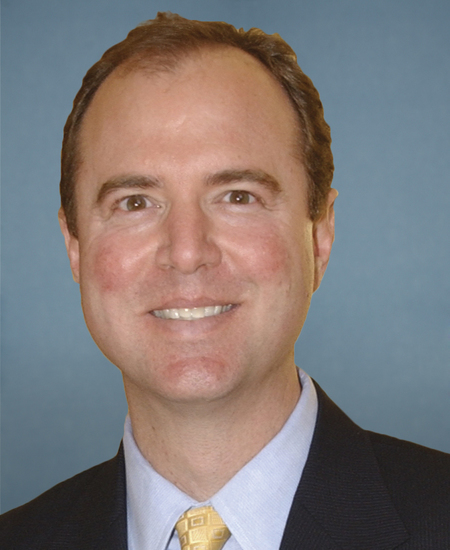
Adam B. Schiff
100% support rate
Top opponent
Alan Armstrong
0% support rate
Ranked legislators
10
5 support · 5 oppose
Key legislators

Who's moving water quality in United States

Legislators moving water quality in United States
Legislator Party Stance Support rate Votes
Adam B. Schiff
Adam B. Schiff Senate
D
Strong +
100% 3
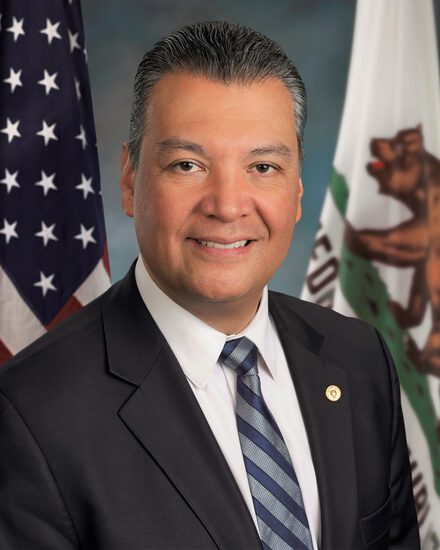
Alex Padilla
Alex Padilla Senate
D
Strong +
100% 3
Amy Klobuchar
Amy Klobuchar Senate
D
Strong +
100% 3
Andy Kim
Andy Kim Senate
D
Strong +
100% 3
Angela D. Alsobrooks
Angela D. Alsobrooks Senate
D
Strong +
100% 3
AA
Alan Armstrong Senate
R
Strong −
0% 3
Ashley Moody
Ashley Moody Senate
R
Strong −
0% 3
Bernie Moreno
Bernie Moreno Senate
R
Strong −
0% 3
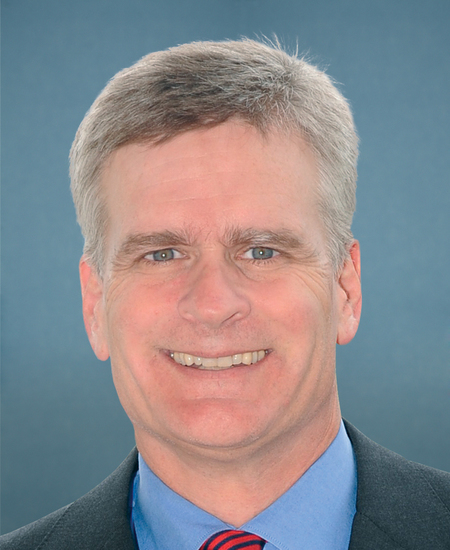
Bill Cassidy
Bill Cassidy Senate
R
Strong −
0% 3
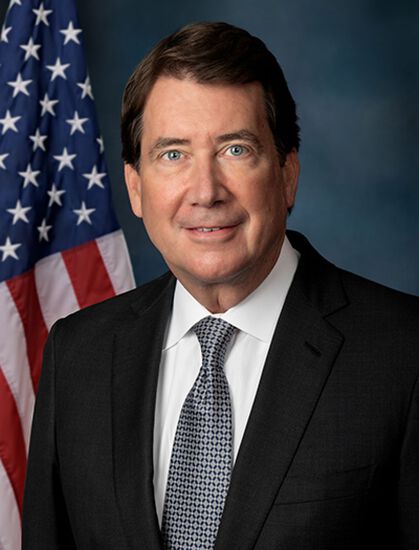
Bill Hagerty
Bill Hagerty Senate
R
Strong −
0% 3
Showing 11–20 of 213 bills

All environment bills

in committee · United States · House Jul 23, 2026

HR 9927: Farmers Lifeline to Overcoming Disasters (FLOOD) Act

The FLOOD Act amends the Food Security Act of 1985 to incorporate emergency watershed protection measures from the Agricultural Credit Act of 1978. This change directly affects farmers and landowners by expanding the legal framework available for addressing urgent water-related issues on agricultural land. By adding this specific reference to existing law, the bill ensures that current emergency protocols for watershed protection are formally recognized within the broader food security legislation. The provision does not create new funding or alter eligibility criteria but rather integrates an existing set of measures into the statutory text.
in committee · United States · House Jul 22, 2026

HR 9855: CURRENT Act

The CURRENT Act modifies the Federal Water Pollution Control Act to streamline how states and federal agencies issue certifications for energy and transmission projects. It requires these agencies to publish clear certification rules, set a strict one-year deadline to decide on requests, and base decisions solely on whether a project will violate specific water quality laws. The bill also mandates that denials or conditions must be supported by clear and convincing evidence showing no reasonable way exists to meet environmental standards, while protecting applicants from having certifications reopened without a court order. Additionally, it establishes a fast-track judicial review process for energy projects, requiring courts to issue final rulings within 120 days.
in committee · United States · Senate Jul 16, 2026

S 5016: Clean Water Allotment Modernization Act of 2026

The Clean Water Allotment Modernization Act of 2026 updates how federal funding for water pollution control is distributed among states, Indian tribes, and U.S. territories. It requires the Environmental Protection Agency to set aside specific portions of funds for oversight and tribes before calculating state shares, while also introducing a new formula that allocates money based on watershed needs, population size, and poverty levels. The bill includes safeguards to prevent funding amounts for any single state from changing drastically from one year to the next and allows states to use a small percentage of their grants to conduct the necessary assessments for this new formula. Additionally, the legislation clarifies that these changes do not affect existing infrastructure funds and expands the allowable uses of capitalization grants to include technical assistance and survey activities.
Sub-Topics Water Quality
in committee · United States · Senate Jul 13, 2026

S 4956: Farmers and Ranchers Relief Act of 2026

The Farmers and Ranchers Relief Act of 2026 aims to simplify the permitting process for landowners by changing how federal rules regarding the discharge of dredged or fill material are interpreted. Specifically, the bill directs regulators to broadly allow discharges that do not harm fish or wildlife while strictly limiting the ability to revoke permits later. By amending the Clean Water Act, the legislation seeks to reduce the number of required permits for agricultural and ranching activities involving earth-moving or water management. These changes are intended to provide more flexibility for farmers and ranchers without altering the underlying environmental protections of the law.
Sub-Topics Water Quality Wildlife
in committee · United States · House Jul 14, 2026

HR 9663: State Standing Committee Act

This bill creates a new State Standing Committee within the Environmental Protection Agency to provide scientific and technical advice on major environmental laws. The committee will consist of unpaid, voluntary members from every state, federal district, territory, and federally recognized tribe, who must be employees of local environmental or natural resource agencies. Members will offer advice to the EPA Administrator and the Science Advisory Board on specific issues like air and water quality, with the Administrator required to publish these views online within 30 days. Additionally, the bill updates reporting requirements so the EPA must annually submit reports on the committee's activities to Congress. The Federal Advisory Committee Act will not apply to this new group, and the Science Advisory Board will also be required to report its activities to Congress.
Sub-Topics Water Quality
in committee · United States · Senate Jun 24, 2026

S 4944: American Energy and Mineral Infrastructure Act of 2026

The American Energy and Mineral Infrastructure Act of 2026 streamlines the permitting process for natural gas pipelines and other energy projects by designating the Federal Energy Regulatory Commission as the sole lead agency for environmental reviews and establishing strict deadlines for federal and state agencies to complete their portions of the review. The bill also modifies water quality laws to reduce the number of required certifications for discharges into navigable waters, extends the validity of certain nationwide permits for dredged or fill material from five to ten years, and creates a new fund to address abandoned hardrock mines. Additionally, the legislation updates the National Environmental Policy Act to limit the scope of environmental reviews to effects directly caused by a project, impose specific timelines for agency decisions, and restrict the ability of courts to issue injunctions that would halt construction while legal challenges are pending.
in committee · United States · House Jun 9, 2026

HR 9226: Connecticut River Watershed Partnership Act

This bill establishes a new partnership program to coordinate conservation efforts across the five-state Connecticut River watershed, involving federal, state, tribal, and local groups. It creates a voluntary grant system that provides up to 90 percent federal funding for projects focused on restoring fish and wildlife habitats, improving water quality, and supporting environmental justice communities. The legislation also mandates regular reporting to Congress and authorizes funding from 2026 to 2030 to support these restoration activities.
in committee · United States · House May 14, 2026

HR 8830: Flood Mapping Modernization and Homeowner Empowerment Pilot Program Act of 2026

This bill establishes a pilot program to help local governments in large urban areas create and share better maps that show the risk of urban flooding, which includes water damage from heavy rain and overwhelmed drainage systems. The Federal Emergency Management Agency will award grants to up to 12 cities and stormwater authorities to develop technology-based tools that provide specific flood risk assessments for individual buildings and incorporate climate trends. Funding is available for fiscal years 2027 through 2030, with grants covering up to 75% of project costs and prioritizing communities that are highly vulnerable to sea-level rise or have populations facing socioeconomic challenges. Recipients must complete their projects within 18 months and submit reports on their progress and lessons learned to the agency and Congress.
in committee · United States · Senate Jun 11, 2026

S 4755: DEEP Act

The DEEP Act establishes a new nationwide permit for dredging projects in U.S. ports and navigation channels, aiming to streamline the approval process for maintaining, expanding, or deepening ports up to 60 feet. The bill mandates that the Army Corps of Engineers propose this permit within 60 days of enactment and sets strict deadlines for environmental reviews, requiring the final permit to be issued within two years. It also imposes tight timelines on state agencies to review water quality certifications, deeming them complete if they do not respond within 14 days, and limits the Secretary's ability to deny permits if procedural deadlines are missed. Additionally, the legislation clarifies that compliance with the new permit is sufficient to satisfy other related federal laws regarding river and harbor regulations.
Sub-Topics Water Quality Ports
in committee · United States · House Jun 25, 2026

HR 9483: Clean Ports for Commerce Act

The Clean Ports for Commerce Act requires the Secretary of the Army to create an advanced plan before dredging materials known to contain PFAS chemicals. This plan must identify where the contaminated materials will be disposed of, outline steps to protect water quality and public health, and estimate any potential delays caused by these substances. The legislation directly impacts federal dredging projects and aims to ensure that cleanup operations are managed safely before they begin. By mandating these specific preparations, the bill seeks to address environmental and health risks associated with PFAS in port maintenance work.
Showing 11 to 20 of 213 bills