Issue · Environment

Environment

Every environment bill, vote, and legislator stance in United States, automatically classified by Maddy, our AI policy reader.

Total bills
1,975
119th Congress
Top supporter
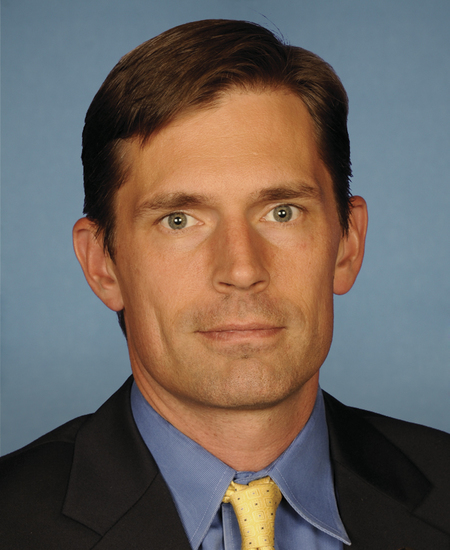
Martin Heinrich
84% support rate
Top opponent
Marsha Blackburn
11% support rate
Ranked legislators
10
5 support · 5 oppose
Key legislators

Who's moving environment in United States

Legislators moving environment in United States
Legislator Party Stance Support rate Votes
Martin Heinrich
Martin Heinrich Senate
D
Strong +
84% 215
Adam B. Schiff
Adam B. Schiff Senate
D
Support
79% 231
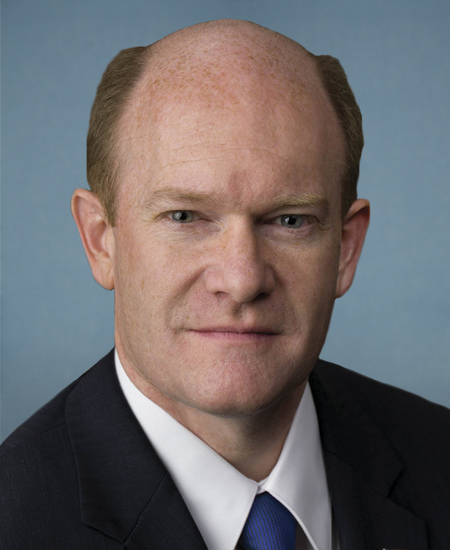
Christopher A. Coons
Christopher A. Coons Senate
D
Support
79% 229
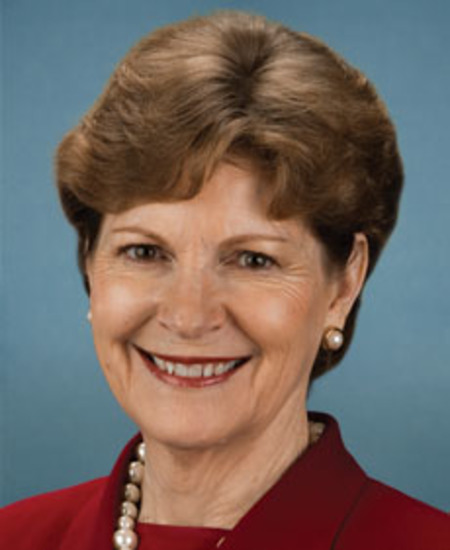
Jeanne Shaheen
Jeanne Shaheen Senate
D
Support
78% 232
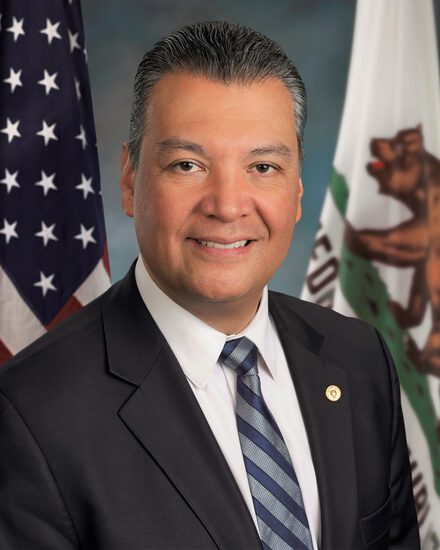
Alex Padilla
Alex Padilla Senate
D
Support
78% 232
Marsha Blackburn
Marsha Blackburn Senate
R
Strong −
11% 211
Ted Budd
Ted Budd Senate
R
Strong −
20% 220
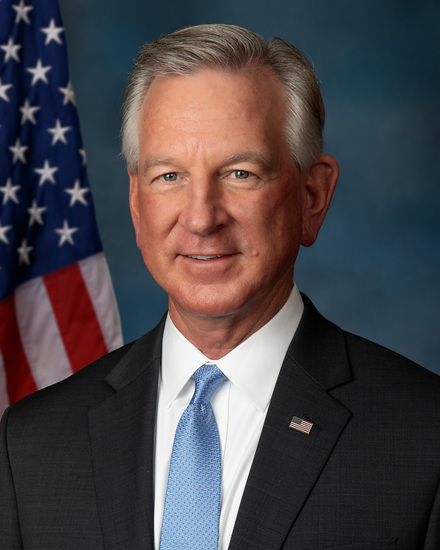
Tommy Tuberville
Tommy Tuberville Senate
R
Oppose
21% 229
Bill Cassidy
Bill Cassidy Senate
R
Oppose
22% 221
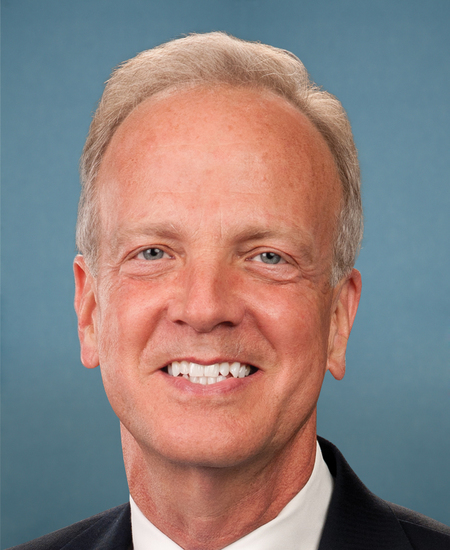
Jerry Moran
Jerry Moran Senate
R
Oppose
23% 228
Showing 1,711–1,720 of 1,975 bills

All environment bills

in committee · United States · Senate Jul 15, 2025

S 2288: Joint Chiefs Reauthorization Act of 2025

The Joint Chiefs Reauthorization Act of 2025 extends the Joint Chiefs Landscape Restoration Partnership program through 2029, replacing its previous 2023 end date. It adds wildfire recovery and soil/water resource enhancement as official program goals, while requiring the Natural Resources Conservation Service to coordinate with the Forest Service on planning and forestry science. The program, which supports state and landowner projects to restore landscapes, must now align with state forest action plans when making decisions. This bill updates existing program rules without creating new funding or major policy changes.
Sub-Topics Conservation Forestry
in committee · United States · House Feb 4, 2025

HR 664: American Seabed Protection Act

HR 664, the American Seabed Protection Act, prohibits U.S. federal authorization for commercial mining of minerals on the deep seabed and Outer Continental Shelf, affecting mining companies and developers seeking permits. It bans exploration, development, and production of hardrock minerals in these areas, with exceptions only for scientific research. The bill requires the Secretary of Commerce to commission a National Academies study within 90 days to assess environmental impacts - including effects on ecosystems, carbon sequestration, fisheries, and indigenous communities - and evaluate alternatives like mineral recycling. The study must be submitted to Congress, focusing on concrete data rather than future policy. This is a substantive policy change banning seabed mining activities while mandating scientific review.
Sub-Topics Recycling
in committee · United States · Senate Jul 23, 2026

S 3493: Carson City Public Land Correction Act

This bill transfers approximately 1,288 acres of federal land to Carson City, Nevada, for public uses like recreation and flood mitigation, and 0.45 acres for roadway expansion (requiring a crosswalk). It also authorizes the sale of 360 acres of federal land, with proceeds deposited into an existing account. The city pays all conveyance and disposal costs, including environmental assessments, and must maintain existing utility easements. Proceeds fund local projects including wildlife conservation, wildfire prevention, and public land acquisitions.
in committee · United States · Senate Jul 31, 2025

S 2582: Advancing Research on Agricultural Soil Health Act of 2025

This bill directs the Secretary of Agriculture to develop a standardized method for measuring soil carbon in agricultural settings within 270 days of enactment. It establishes a voluntary reporting system for farmers to measure, monitor, and report soil carbon data, with technical assistance provided in multiple languages and formats. The bill creates a nationwide Soil Carbon Inventory Network to track soil carbon changes every five years across different regions, while protecting landowners' privacy and ensuring data interoperability. It also requires the development of predictive models to estimate how farming practices affect soil carbon and greenhouse gas emissions. The bill directly affects agricultural producers, including socially disadvantaged farmers, researchers, and soil carbon experts who will use these standardized measurement and reporting systems.
Sub-Topics Climate Change Tags Agriculture
in committee · United States · Senate Jul 8, 2025

S 2208: Wildfire Resilient Communities Act

This bill allocates $30 billion to fund wildfire prevention projects on federal lands, prioritizing areas near at-risk communities, high-value watersheds, and regions with high wildfire risk. It requires federal land managers (like the Forest Service and National Park Service) to focus on reducing flammable vegetation through methods like prescribed burns and thinning. The bill also establishes a County Stewardship Fund, directing 25% of receipts from federal forest contracts to local counties for any governmental use. Additionally, it adds $3 billion for community wildfire defense grants through 2031 to support local fire resilience efforts.
in committee · United States · House May 15, 2025

HRES 420: Supporting the designation of May 16, 2025, as "Endangered Species Day".

This resolution (HRES 420) supports designating May 16, 2025, as "Endangered Species Day" to recognize conservation efforts under the Endangered Species Act of 1973. It highlights the Act's success in preventing extinction for species like the bald eagle and loggerhead sea turtle, and acknowledges the cultural and economic value of protecting wildlife. The resolution has no legal effect or policy changes - it is a symbolic gesture to celebrate biodiversity conservation and the Act's role in addressing the global biodiversity crisis. It does not impose new requirements or directly affect any individuals, communities, or agencies.
Sub-Topics Conservation Wildlife
in committee · United States · Senate May 1, 2025

S 1584: Transparency and Honesty in Energy Regulations Act of 2025

This bill prohibits federal agencies from using estimates of climate-related damages (like the "social cost of carbon," methane, or nitrous oxide) in regulatory analyses. It bans these metrics from cost-benefit reviews required under laws or executive orders (such as Executive Order 12866), rulemaking, guidance documents, or agency actions. Agencies must report by December 2025 on how often they previously used these metrics in regulations since 2009. The law directly affects federal agencies like the EPA when developing environmental rules, requiring them to rely only on legally mandated environmental considerations.
in committee · United States · Senate Apr 29, 2025

S 1519: Arctic Refuge Protection Act of 2025

This bill (S 1519) designates approximately 1.56 million acres of the Arctic National Wildlife Refuge in Alaska as wilderness under federal law. It permanently protects this specific area from development like oil drilling or road construction by adding it to the National Wilderness Preservation System. The designation directly affects the refuge's management, ensuring this coastal plain ecosystem remains preserved in its natural state.
in committee · United States · House May 5, 2025

HR 3181: Nulhegan River and Paul Stream Wild and Scenic River Study Act of 2025

This bill authorizes a study to evaluate whether the Nulhegan River and Paul Stream in Vermont should receive Wild and Scenic River designation. It specifically identifies two river segments: a 22-mile stretch of the Nulhegan River and an 18-mile stretch of Paul Stream, including their tributaries. The study, to be completed within three years by the Secretary of the Interior, will assess the rivers' eligibility for protection under the Wild and Scenic Rivers Act. The resulting report will be submitted to Congress but does not automatically protect the rivers - only the study process is mandated. This affects the natural resources and communities along these Vermont waterways by initiating a formal evaluation of their conservation potential.
Sub-Topics Conservation
in committee · United States · Senate Jul 17, 2025

S 2334: Waste and Illegal Property Eradication (WIPE) Act

The WIPE Act authorizes the Department of Defense to use mobile solid waste disposal units for destroying seized illicit contraband, including counterfeit goods, narcotics, and classified materials. It specifically prohibits using open-air burn pits for disposing of contraband, classified equipment, or hazardous waste. The bill reallocates $8.95 million in fiscal year 2026 Army funding, increasing procurement funds for disposal systems while reducing operations funds previously allocated for burn pit use in contingency operations. This directly affects military installations, forward bases, and partner security forces using these disposal methods for border security and counter-narcotics efforts.
Showing 1,711 to 1,720 of 1,975 bills