Issue · Environment

Environment

Every environment bill, vote, and legislator stance in United States, automatically classified by Maddy, our AI policy reader.

Total bills
1,978
119th Congress
Top supporter
Aisha Wahab
100% support rate
Top opponent
Marsha Blackburn
11% support rate
Ranked legislators
10
5 support · 5 oppose
Key legislators

Who's moving environment in United States

Legislators moving environment in United States
Legislator Party Stance Support rate Decisive votes
Aisha Wahab
Aisha Wahab House · District 14
D
Strong +
100% 7
Everton Blair Jr.
Everton Blair Jr. House · District 13
D
Strong +
89% 9
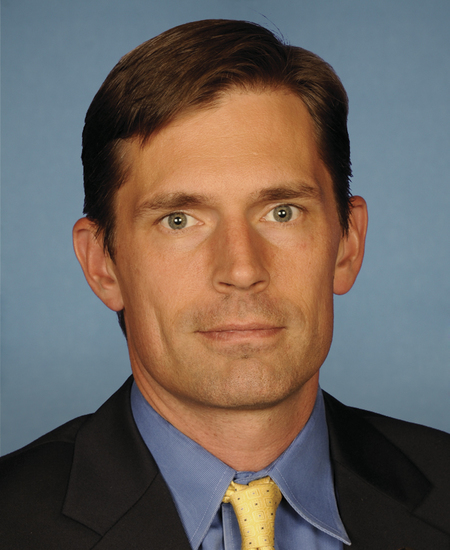
Martin Heinrich
Martin Heinrich Senate
D
Strong +
84% 37
Adam B. Schiff
Adam B. Schiff Senate
D
Support
79% 53
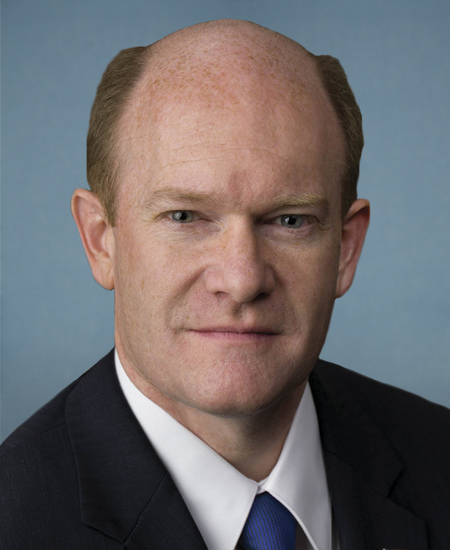
Christopher A. Coons
Christopher A. Coons Senate
D
Support
79% 52
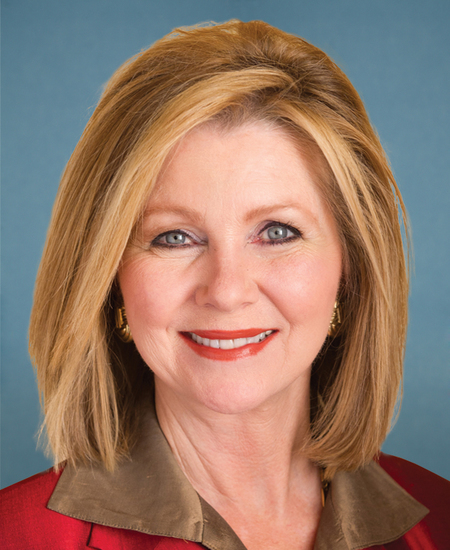
Marsha Blackburn
Marsha Blackburn Senate
R
Strong −
11% 36
Ted Budd
Ted Budd Senate
R
Strong −
20% 40
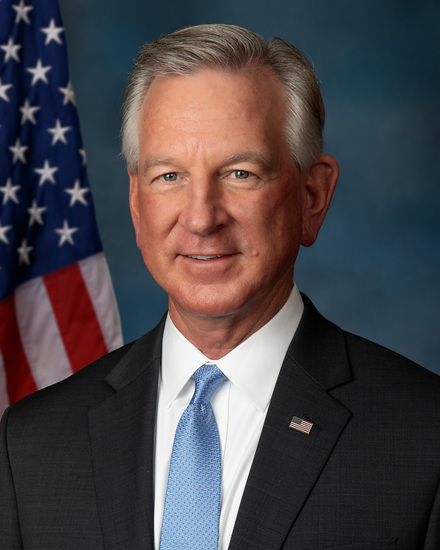
Tommy Tuberville
Tommy Tuberville Senate
R
Oppose
21% 53
Bill Cassidy
Bill Cassidy Senate
R
Oppose
22% 54
Jerry Moran
Jerry Moran Senate
R
Oppose
23% 53
Showing 1,491–1,500 of 1,978 bills

All environment bills

in committee · United States · House Dec 2, 2025

HR 5875: COWS Act of 2025

The COWS Act of 2025 creates a new program to help livestock and dairy farmers adopt manure management practices that reduce greenhouse gas emissions, such as composting, pasture-based systems, and technologies avoiding wet storage. It provides financial incentives (up to 100% of costs for planning, equipment, and implementation) with at least 50% paid upfront, prioritizing small/mid-sized operations, beginning farmers, and socially disadvantaged producers. The bill requires the Secretary to develop evaluation criteria focused on maximizing carbon sequestration, emissions reductions, and environmental benefits like improved water quality, while offering technical assistance for implementation.
Sub-Topics Climate Change Water Quality Tags Agriculture
in committee · United States · House Feb 5, 2025

HR 1003: Enhancing Energy Recovery Act

This bill modifies tax credits for carbon capture under the Internal Revenue Code. It expands qualifying uses for carbon capture credits to include using carbon as a "tertiary injectant" in oil/gas recovery projects (with storage) and other specified methods, while increasing the credit rate from $17 to $36 per ton for eligible projects starting in 2025. The changes directly affect companies capturing carbon dioxide for storage or industrial use, making these projects more financially viable. The updated credit rates apply to taxable years beginning after December 31, 2024, with future rates adjusted for inflation.
Sub-Topics Oil & Gas
in committee · United States · House Dec 5, 2025

HR 5902: Innovative Practices for Soil Health Act of 2025

The Innovative Practices for Soil Health Act of 2025 amends USDA conservation programs to better support soil health and carbon sequestration. It redefines "resource concern" to include soil health issues and adds greenhouse gas emissions reduction planning as a key component of conservation programs. The bill expands payment opportunities for perennial production systems like agroforestry and creates national and regional agroforestry centers to support these practices. Farmers participating in conservation programs must maintain or improve conservation activities and meet specific soil health targets to qualify for continued funding. The bill directly affects farmers and ranchers participating in USDA conservation programs who want to implement soil health practices.
in committee · United States · House Jun 20, 2025

HR 4062: MONARCH Act of 2025

The MONARCH Act of 2025 establishes the Western Monarch Butterfly Rescue Fund to address the critical decline of western monarch butterflies, which have dropped 99% over 30 years and reached a low of 1,914 in 2020. It authorizes $12.5 million annually for fiscal years 2026-2030 to fund grants for conservation projects led by eligible entities like local governments, tribal agencies, nonprofits, and research institutions within the butterflies' range (California, Arizona, Nevada, Washington, Oregon, Idaho, and Utah). Projects must focus on restoring milkweed, nectar plants, and habitat while coordinating with wildlife authorities and avoiding conflicts with food safety practices. Recipients must report project progress to the Secretary of the Interior and make reports publicly available, with annual updates to Congress on conservation efforts and outcomes.
Sub-Topics Conservation Wildlife
in committee · United States · House Jun 12, 2025

HR 3979: LEAPS Act

The LEAPS Act requires the U.S. Department of Agriculture (USDA) to create and share practical resources to help farmers and ranchers improve energy efficiency in their irrigation and livestock watering systems. Specifically, it mandates USDA to develop publicly available educational materials about cost and energy savings from efficient pumps, pipes, and controls, plus a user-friendly online tool for farmers to assess their current systems and estimate potential savings. The bill also directs USDA to train energy auditors on pumping system efficiency to strengthen existing conservation programs like the Environmental Quality Incentives Program. These provisions directly affect agricultural operations using pumping systems, aiming to reduce energy use, water waste, and emissions through voluntary upgrades.
Sub-Topics Energy Efficiency Conservation Tags Agriculture
in committee · United States · House Jan 23, 2025

HR 676: To exempt Federal actions related to energy and mineral activities on certain Federal lands from the requirements of the National Environmental Policy Act of 1969.

This bill (HR 676) would exempt specific federal permits and leases for energy and mineral projects on certain public lands from the environmental review process required under the National Environmental Policy Act (NEPA). It removes the need for environmental assessments when the government issues or renews leases under the Mineral Leasing Act for oil, gas, or coal development, or permits under the Mining Law of 1872 for critical minerals on lands open to mineral entry. The exemption applies only to these designated actions on federal lands where mineral extraction is permitted. This policy change directly affects energy and mining companies seeking to develop resources on such lands by eliminating a mandatory environmental review step.
passed · United States · House May 14, 2025

HR 167: Community Reclamation Partnerships Act of 2025

HR 167, the Community Reclamation Partnerships Act of 2025, allows states to create memoranda with federal agencies to address mine drainage pollution on abandoned mine lands. It establishes "Community Reclaimers" (non-responsible entities like companies not causing pollution) to implement cleanup projects, requiring states to assume liability for project costs and ensure public review. Key provisions mandate detailed project plans, water quality monitoring, technical capability verification, and contingency plans for emergencies. The bill amends the 1977 Surface Mining Act, with projects needing state memoranda approval and specific documentation, and expires September 30, 2032. It directly affects states, Community Reclaimers, and landowners near abandoned mine sites.
in committee · United States · House Apr 10, 2025

HR 2886: Defend our Coast Act

This bill prohibits the federal government from issuing new oil and gas leases for exploration, development, or production in the Mid-Atlantic region of the Outer Continental Shelf. It specifically blocks leasing in the area defined by the 2023 federal leasing plan (2024-2029 National Outer Continental Shelf Oil and Gas Leasing Proposed Final Program). The law directly affects energy companies seeking to drill in this coastal zone and requires the Secretary of the Interior to halt such lease sales. It does not impact existing leases or operations already authorized.
in committee · United States · House Apr 10, 2025

HR 2893: Buffalo Tract Protection Act

The Buffalo Tract Protection Act (HR 2893) permanently withdraws approximately 4,288 acres of federal land in New Mexico from mining and mineral leasing under federal law. This directly affects the Bureau of Land Management (which administers the land) and prevents new mining claims or mineral development on the specified Tracts A-D. The bill allows the surface rights of this land to be conveyed (sold or transferred) under existing federal land laws, but requires the federal government to retain all mineral rights. This is a permanent land protection measure focused on preserving the land's surface use potential while safeguarding mineral resources for the federal government.
in committee · United States · House Jul 17, 2025

HR 4515: Climate Change Health Protection and Promotion Act of 2025

This bill establishes the Office of Climate Change and Health Equity within the Department of Health and Human Services to coordinate federal efforts addressing climate change's health impacts. It requires the creation of a National Strategic Action Plan to identify communities most affected by climate-related health threats - including environmental justice communities, medically underserved communities, and Tribal communities - and develop strategies for preparedness and response. The plan must address specific health impacts like extreme heat, air pollution, infectious diseases, and mental health effects, while prioritizing health equity and environmental justice. The bill also creates a Science Advisory Board to provide expert guidance and authorizes funding for these initiatives over several years. These provisions are designed to strengthen the health sector's ability to respond to climate change impacts across the United States.
Showing 1,491 to 1,500 of 1,978 bills