Issue · Environment

Environment

Every environment bill, vote, and legislator stance in United States, automatically classified by Maddy, our AI policy reader.

Total bills
1,479
119th Congress
Top supporter
Martin Heinrich
84% support rate
Top opponent
Marsha Blackburn
11% support rate
Ranked legislators
10
5 support · 5 oppose
Key legislators

Who's moving environment in United States

Legislators moving environment in United States
Legislator Party Stance Support rate Votes
Martin Heinrich
Martin Heinrich Senate
D
Strong +
84% 215
Adam B. Schiff
Adam B. Schiff Senate
D
Support
79% 231
Christopher A. Coons
Christopher A. Coons Senate
D
Support
79% 229
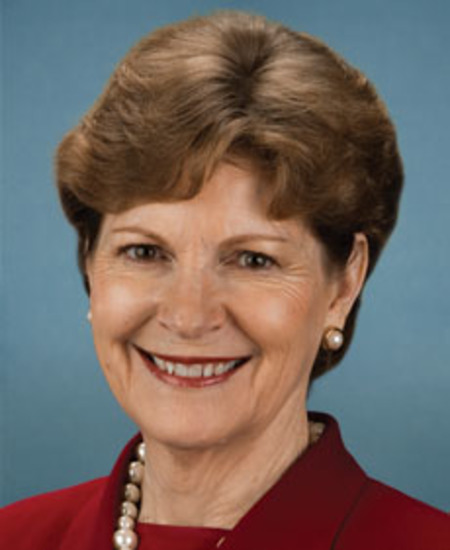
Jeanne Shaheen
Jeanne Shaheen Senate
D
Support
78% 232
Alex Padilla
Alex Padilla Senate
D
Support
78% 232
Marsha Blackburn
Marsha Blackburn Senate
R
Strong −
11% 211
Ted Budd
Ted Budd Senate
R
Strong −
20% 220
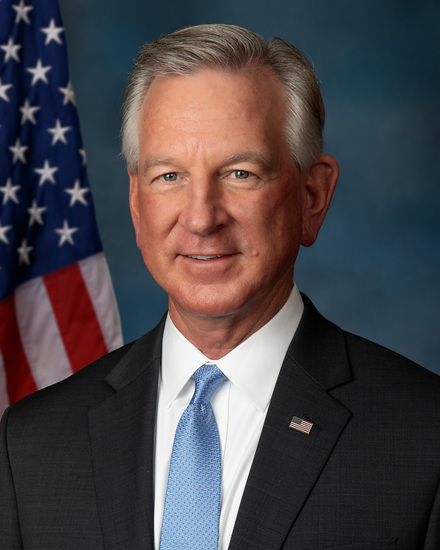
Tommy Tuberville
Tommy Tuberville Senate
R
Oppose
21% 229
Bill Cassidy
Bill Cassidy Senate
R
Oppose
22% 221
Jerry Moran
Jerry Moran Senate
R
Oppose
23% 228
Showing 1,451–1,460 of 1,479 bills

All environment bills

passed · United States · Senate Nov 20, 2025

S 3022: Save Our Seas 2.0 Marine Debris Infrastructure Programs Reauthorization Act

This bill reauthorizes existing EPA programs focused on marine debris cleanup infrastructure, extending their funding period from 2025 to 2030. It directly affects the EPA's grant programs that provide funding to states, tribes, and local governments for projects removing marine debris from coastlines and waterways. The key change is a simple deadline extension for these established programs, ensuring continued support for coastal cleanup efforts through 2030. The bill does not create new programs or alter funding amounts, only prolonging the current authorization period.
in committee · United States · Senate Jun 12, 2025

S 2063: ESTUARIES Act of 2025

The ESTUARIES Act of 2025 amends Section 320(i)(1) of the Federal Water Pollution Control Act (33 U.S.C. 1330(i)(1)) to extend the National Estuary Program's authorization period from 2026 to 2031. This change directly affects the National Estuary Program, a federal initiative supporting the protection and restoration of estuaries across the United States. The key provision is a simple year adjustment in the law, altering the program's existing timeline without adding new requirements or funding. The bill focuses solely on updating the program's authorization deadline, with no additional policy changes described in the provided context.
in committee · United States · House Jan 13, 2026

HR 6341: Partnerships for Agricultural Climate Action Act

The Partnerships for Agricultural Climate Action Act creates a federal grant program to fund climate-friendly farming practices that reduce greenhouse gas emissions, store carbon in soil, and increase resilience to extreme weather. It provides grants to state and tribal governments, farmer groups, cooperatives, and conservation organizations to develop or implement projects meeting specific climate goals, with priority for initiatives supporting beginning farmers, socially disadvantaged producers, and those incorporating Indigenous agricultural knowledge. The program allocates $150 million annually from 2026 to 2034 (with at least one-third reserved for tribal governments), requiring non-federal matching funds for most applicants and strict rules on fund usage and reporting.
Sub-Topics Climate Change Conservation Tags Agriculture
in committee · United States · House Jul 7, 2025

HR 4296: CROP for Farming Act

HR 4296, the CROP for Farming Act, amends existing federal conservation programs to expand eligible practices for farmers. It updates the Food Security Act of 1985 to explicitly include reducing greenhouse gas emissions (like nitrous oxide or methane) and increasing carbon storage in plants or soil as qualifying conservation activities under incentive contracts. This directly affects farmers enrolled in these programs by broadening the types of environmental practices they can pursue for program benefits. The key change modifies two specific sections of the law to add these new criteria to the existing conservation requirements.
Sub-Topics Climate Change Conservation Tags Agriculture
in committee · United States · House Apr 9, 2025

HR 2786: Resilient Coasts and Estuaries Act of 2025

The Resilient Coasts and Estuaries Act of 2025 establishes a new Coastal and Estuarine Resilience and Restoration Program to protect and restore coastal areas with ecological, recreational, or community value. The program prioritizes lands threatened by development, that can be restored to enhance ecosystem function, or that benefit vulnerable communities facing coastal hazards like sea level rise. It requires the designation of at least five new National Estuarine Research Reserves within eight years and authorizes $47 million annually for 2025-2029 to support these efforts. The bill also creates new requirements for public access to protected lands and establishes a graduate research fellowship program focused on coastal management. This legislation directly affects coastal communities, conservation organizations, and federal agencies managing coastal zones under the Coastal Zone Management Act.
in committee · United States · House Mar 18, 2025

HR 2177: Tradeable Energy Performance Standards Act

The Tradeable Energy Performance Standards Act establishes a market-based system for reducing carbon emissions from large energy facilities. Covered facilities (electricity and thermal energy producers above certain size thresholds) must obtain emission allowances for each metric ton of CO2 they emit, either by receiving allowances from the government or purchasing them. Facilities can also pay increasing fees (starting at $50 per ton in 2028) or trade allowances with other facilities through bilateral agreements. The bill creates an offset program to fund projects that reduce emissions or sequester carbon, with grants awarded based on cost-effectiveness.
in committee · United States · Senate Dec 17, 2025

SRES 550: A resolution recognizing that climate change is not a hoax, but sound science.

This is a non-binding Senate resolution (SRES 550) affirming scientific consensus on climate change. It states that climate change caused by fossil fuels is "not a hoax" and "sound science," citing historical scientific findings and recent NASA/Intergovernmental Panel on Climate Change data. The resolution specifically criticizes the 2025 decision by the Trump administration to dismantle climate research programs and remove the National Climate Assessment. It calls on Congress to protect mandated climate research programs but does not create new laws or affect any individuals or entities. As a symbolic resolution, it has no legal force or direct impact on policy or constituents.
Sub-Topics Climate Change
in committee · United States · Senate Jun 10, 2026

S 3792: Water Project Navigators Act

This bill establishes the Water Project Navigators Program under the Department of the Interior to help communities develop multi-benefit water projects. It provides federal grants to eligible entities (such as states, tribes, rural communities, and nonprofits) to fund "navigators" who assist with planning, grant writing, and technical support for projects that address water supply challenges while benefiting ecosystems. The program prioritizes disadvantaged communities, Tribal nations, and rural areas with limited capacity, requiring navigators to focus on projects that enhance climate resilience, improve water access, and protect natural ecosystems. Funding of $15 million annually (2027-2032) supports these efforts, with a 75% federal cost share and flexibility to waive local contributions for qualifying entities.
Sub-Topics Drinking Water Public Lands Water Quality Tags Tribal Nations
in committee · United States · House Feb 13, 2026

HR 7543: Plastic Pellet Free Waters Act

HR 7543, the Plastic Pellet Free Waters Act, prohibits plastic pellets and pre-production plastic materials from being discharged into waterways through wastewater, spills, or runoff from specific facilities. It directly affects plastic manufacturing, molding, packaging, and transportation facilities regulated under existing environmental rules. Within 60 days of enactment, the EPA must issue a rule banning these discharges and update all relevant wastewater, stormwater, and performance standards in permits. The law requires all permits and standards for these facilities to reflect the new ban, ensuring plastic pellets cannot enter water systems. This is a concrete regulatory change to prevent plastic pollution at its source.
in committee · United States · House Feb 27, 2025

HR 1645: Climate and Health Protection Act

HR 1645, the Climate and Health Protection Act, continues the Climate and Health program within the CDC's National Center for Environmental Health (or a successor program) through 2026 and beyond. It directs the program to translate climate science for state, local, Tribal, and territorial governments; create tools to help communities prepare for climate impacts; and lead public health planning for climate change. The bill authorizes $110 million annually for this program, with a strict rule that these funds cannot be redirected to other CDC programs. This funding and structure directly affect public health agencies and communities preparing for climate-related health risks.
Showing 1,451 to 1,460 of 1,479 bills