Issue · Environment

Environment (Wildlife)

Every environment bill, vote, and legislator stance in United States, automatically classified by Maddy, our AI policy reader.

Total bills
194
119th Congress
Top supporter
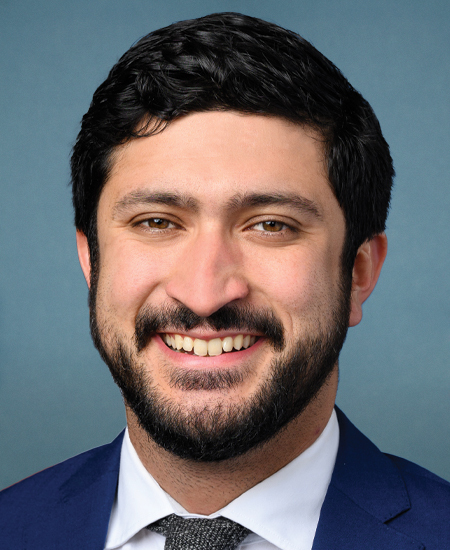
Greg Casar
83% support rate
Top opponent
Susan M. Collins
0% support rate
Ranked legislators
10
5 support · 5 oppose
Key legislators

Who's moving wildlife in United States

Legislators moving wildlife in United States
Legislator Party Stance Support rate Votes
Greg Casar
Greg Casar House · District 35
D
Strong +
83% 12
Judy Chu
Judy Chu House · District 28
D
Strong +
81% 16
Bill Foster
Bill Foster House · District 11
D
Strong +
80% 15
Chellie Pingree
Chellie Pingree House · District 1
D
Strong +
80% 15
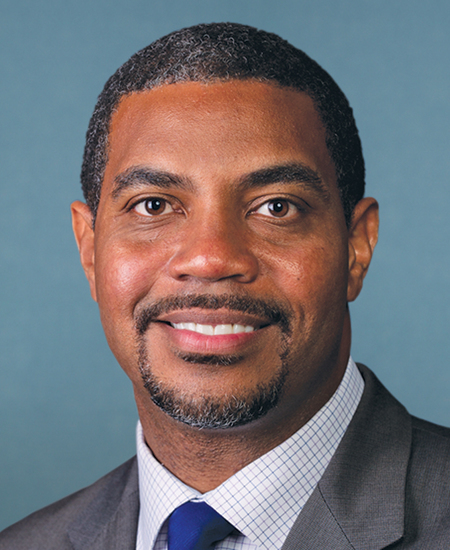
Steven Horsford
Steven Horsford House · District 4
D
Strong +
80% 15
Susan M. Collins
Susan M. Collins Senate
R
Strong −
0% 5
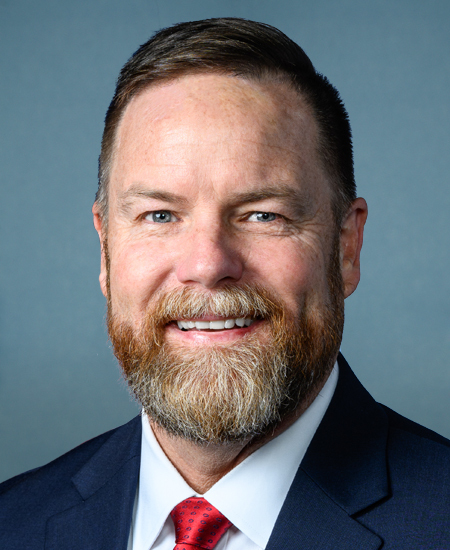
Aaron Bean
Aaron Bean House · District 4
R
Strong −
19% 16
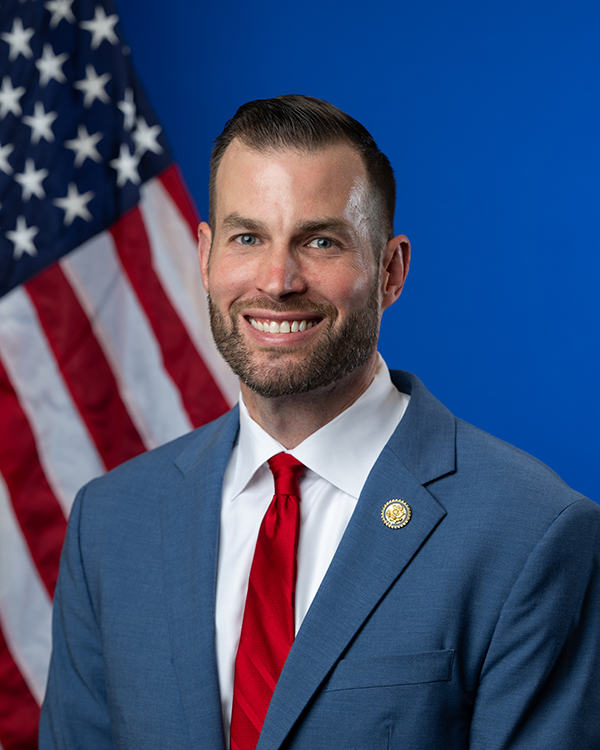
Clay Fuller
Clay Fuller House · District 14
R
Strong −
20% 5
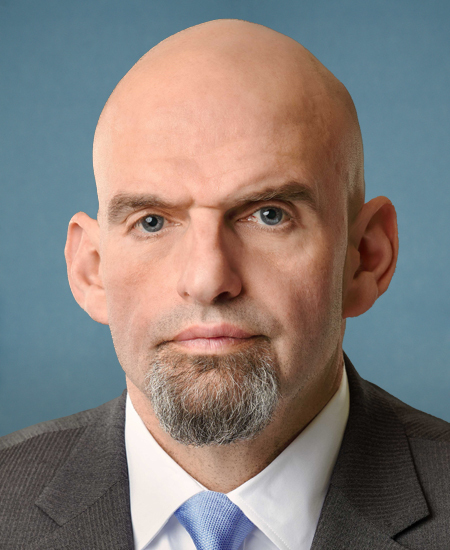
John Fetterman
John Fetterman Senate
D
Strong −
20% 5
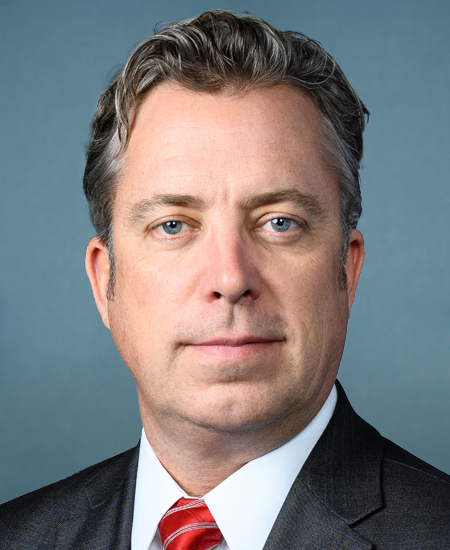
Andrew Ogles
Andrew Ogles House · District 5
R
Oppose
21% 14
Showing 131–140 of 194 bills

All environment bills

in committee · United States · Senate Jun 18, 2025

SRES 289: A resolution recognizing the importance of pollinators to ecosystem health and agriculture in the United States by designating June 15 through June 22, 2025, as "National Pollinator Week".

SRES 289 designates June 15-22, 2025, as "National Pollinator Week" to recognize pollinators' critical role in U.S. agriculture and ecosystems. The resolution highlights that pollinators support over 100 crops and contribute more than $18 billion annually to U.S. crop production. It encourages the public to observe the week through conservation and educational activities. As a symbolic resolution, it does not create new laws or funding but aims to raise awareness about declining pollinator populations.
Sub-Topics Conservation Wildlife
passed · United States · Senate Mar 24, 2026

S 843: Sea Turtle Rescue Assistance and Rehabilitation Act of 2025

This bill amends the Marine Mammal Protection Act to create new provisions specifically for sea turtles. It establishes a dedicated $5 million annual grant program (2025-2030) for sea turtle rescue and rehabilitation, funded through a new "Sea Turtle Rescue, Rehabilitation, and Rapid Response Fund" with $500,000 yearly. Eligible applicants include coastal organizations with Endangered Species Act authorizations or cooperative agreements, required to follow specific care standards and data reporting. The law directly affects wildlife rehabilitation groups and coastal communities handling stranded sea turtles by providing targeted federal funding and clear grant eligibility criteria.
in committee · United States · Senate Mar 6, 2025

S 887: Basin Fund Preservation Act

S 887, the Basin Fund Preservation Act, requires the Interior and Energy Secretaries to create a memorandum of understanding (MOU) with the Glen Canyon Dam Work Group. This MOU must address how a 2024 decision about Glen Canyon Dam operations affects the Upper Colorado River Basin Fund, including impacts on infrastructure maintenance, hydropower production costs, and endangered species protections. The bill mandates the MOU include specific plans to manage these effects using existing hydropower contract data. It directly affects federal agencies managing the Fund and Glen Canyon Dam operations, without altering current laws or creating new obligations.
in committee · United States · Senate Mar 5, 2025

S 871: Hawaii Native Species Conservation and Recovery Act of 2025

This bill establishes a federal grant program to fund conservation projects for native plants, fungi, and animals in Hawaii. Eligible entities - including the State of Hawaii, local governments, Native Hawaiian organizations, nonprofits, businesses, and schools - can apply for funding to address threats like invasive species, climate change impacts, and habitat loss. Federal funding covers up to 75% of project costs (or 100% for projects by Native Hawaiian organizations or focused on youth workforce development), with at least 5% of annual funds reserved for these priority projects. The program requires annual reporting to Congress on funded projects and their progress, ensuring transparency in how funds support Hawaii's native species recovery.
in committee · United States · House Apr 1, 2025

HR 2573: LIZARD Act of 2025

HR 2573, the LIZARD Act of 2025, removes the dunes sagebrush lizard (Sceloporus arenicolus) from the Endangered Species Act's threatened and endangered species lists. The bill amends the Endangered Species Act to specifically prohibit the Secretary of the Interior from listing the dunes sagebrush lizard as threatened or endangered in the future. This directly affects the species' legal protections under federal law, ending its current status as a protected species. The key mechanism is a new provision in the Endangered Species Act that explicitly excludes this lizard from future listing determinations.
Sub-Topics Wildlife
in committee · United States · Senate Jul 27, 2026

S 2578: Strengthening the Rule of Law in the Brazilian Amazon Act

S 2578, the "Strengthening the Rule of Law in the Brazilian Amazon Act," directs U.S. agencies to support Brazil in combating criminal networks driving deforestation and environmental harm in the Amazon. It requires the U.S. International Development Finance Corporation to identify sustainable economic opportunities and investment risks in the region, and authorizes $10 million annually (2025-2028) for U.S. agencies to provide technical assistance, capacity building, and support for sustainable livelihoods and Indigenous rights in Brazil. The bill mandates reports to Congress on drivers of deforestation (including Chinese involvement in illicit resource extraction), progress on disrupting criminal networks, and U.S. efforts to influence international financial institutions to oppose loans exacerbating deforestation. It directly affects U.S. agencies (State, USAID, Treasury) and Brazilian authorities working to address illegal logging, mining, wildlife trafficking, and associated corruption.
Sub-Topics Forestry Wildlife
in committee · United States · Senate Mar 31, 2025

S 1207: Feral Swine Eradication Act

The Feral Swine Eradication Act makes a federal program for controlling feral swine permanent, replacing a previous pilot initiative. It allocates $75 million for fiscal years 2025-2030 to fund eradication efforts in areas where feral swine threaten agriculture, ecosystems, or human/animal health (as determined by the Secretary). The bill requires one year of post-eradication monitoring in affected areas and mandates two reports to Congress detailing program activities, funding use, and success in reducing swine-related damage to crops, wildlife, and public safety.
Sub-Topics Conservation Wildlife
in committee · United States · Senate Jan 21, 2025

S 171: A bill to remove the lesser prairie-chicken from the lists of threatened species and endangered species published pursuant to the Endangered Species Act of 1973, to amend that Act to exclude the lesser prairie-chicken from the authority of that Act, and for other purposes.

This bill removes the lesser prairie-chicken from the federal endangered and threatened species lists under the Endangered Species Act. It specifically amends the Act to permanently prevent the U.S. Fish and Wildlife Service from re-listing the bird as endangered or threatened in the future. The legislation directly affects the regulatory protections for this bird species, ending federal conservation requirements like habitat restrictions or project reviews under the ESA. The change applies to all populations of the lesser prairie-chicken across its range.
Sub-Topics Conservation Wildlife
in committee · United States · Senate Feb 11, 2026

S 909: La Paz County Solar Energy and Job Creation Act

La Paz County Solar Energy and Job Creation Act This bill directs the Department of the Interior, after receiving a request from La Paz County, Arizona, to convey approximately 3,400 acres of identified land managed by the Bureau of Land Management to the county for fair market value. Interior must exclude from the conveyance any federal land that contains significant cultural, environmental, wildlife, or recreational resources. As a condition of the conveyance, La Paz County and any subsequent owner must make good faith efforts to avoid disturbing tribal artifacts; minimize impacts on tribal artifacts if they are disturbed; coordinate with the Colorado River Indian Tribes Tribal Historic Preservation Office to identify artifacts of cultural and historic significance; and allow tribal representatives to rebury unearthed artifacts at, or near, where they were discovered. The federal land is withdrawn from the operation of U.S. mining and mineral leasing laws.
in committee · United States · House Jun 4, 2025

HR 3714: Forage Fish Conservation Act of 2025

HR 3714, the Forage Fish Conservation Act of 2025, amends federal fisheries law to protect small schooling fish like herring, sardines, and anchovies that serve as critical food for larger marine species. It requires the Secretary of Commerce to define "forage fish" within 12 months and mandates that fishery management plans consider ecosystem needs - such as ensuring enough forage fish remain for predators like tuna and seabirds - when setting catch limits. The bill directs regional fisheries councils to identify unmanaged forage fish stocks and prohibit new commercial fisheries until conservation plans are approved, with specific timelines for action (e.g., adding river herring and shad to management plans within 180 days). These changes directly affect federal fisheries managers, commercial fishing industries targeting forage species, and marine ecosystems dependent on these fish. The law aims to prevent overfishing by linking catch limits to ecological roles, not just fishery yields.
Sub-Topics Conservation Wildlife
Showing 131 to 140 of 194 bills
Previous 1 13 14 15 20 Next