Issue · Environment

Environment (Conservation)

Every environment bill, vote, and legislator stance in United States, automatically classified by Maddy, our AI policy reader.

Total bills
385
119th Congress
Top supporter
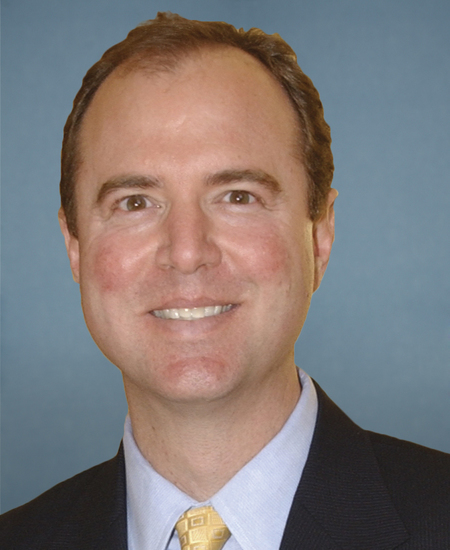
Adam B. Schiff
100% support rate
Top opponent
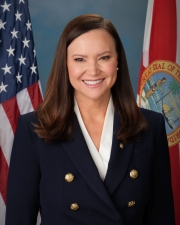
Ashley Moody
0% support rate
Ranked legislators
10
5 support · 5 oppose
Key legislators

Who's moving conservation in United States

Legislators moving conservation in United States
Legislator Party Stance Support rate Votes
Adam B. Schiff
Adam B. Schiff Senate
D
Strong +
100% 9
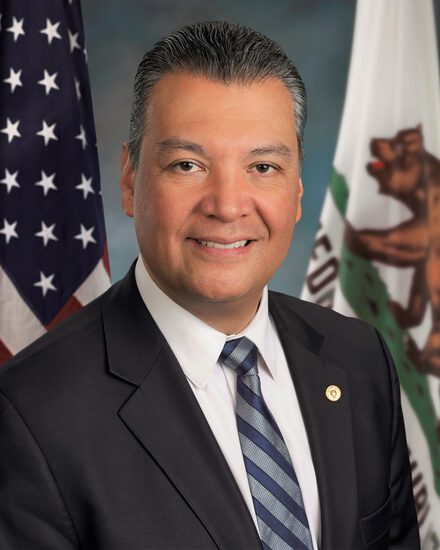
Alex Padilla
Alex Padilla Senate
D
Strong +
100% 9
Amy Klobuchar
Amy Klobuchar Senate
D
Strong +
100% 9
Andy Kim
Andy Kim Senate
D
Strong +
100% 9
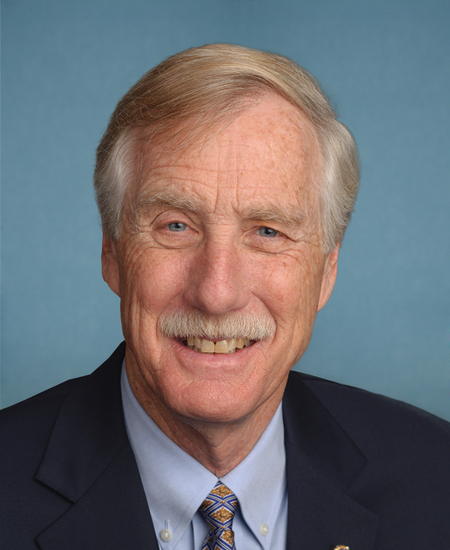
Angus S. King, Jr.
Angus S. King, Jr. Senate
I
Strong +
100% 9
Ashley Moody
Ashley Moody Senate
R
Strong −
0% 9
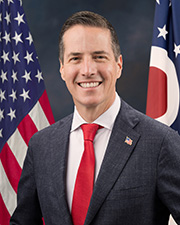
Bernie Moreno
Bernie Moreno Senate
R
Strong −
0% 9
Bill Cassidy
Bill Cassidy Senate
R
Strong −
0% 9
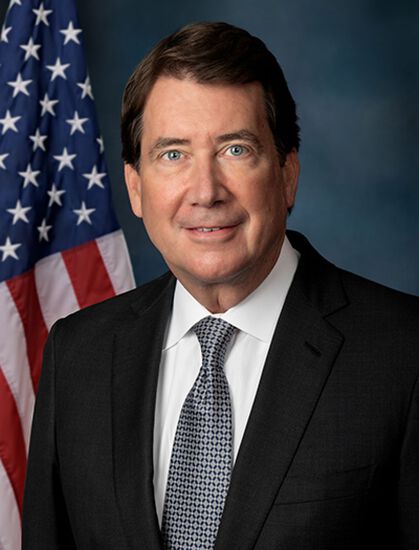
Bill Hagerty
Bill Hagerty Senate
R
Strong −
0% 9
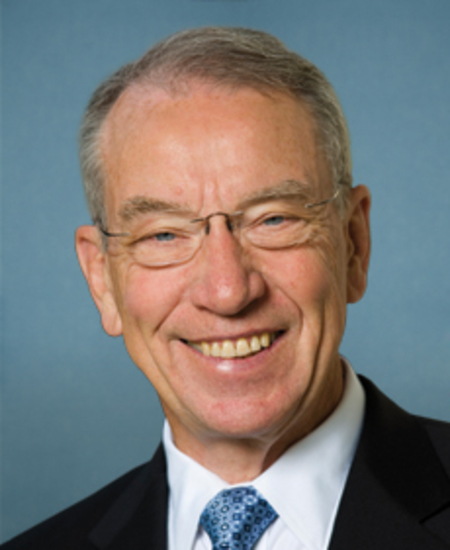
Chuck Grassley
Chuck Grassley Senate
R
Strong −
0% 9
Showing 131–140 of 385 bills

All environment bills

passed · United States · House Mar 17, 2026

HR 831: Lower Colorado River Multi-Species Conservation Program Amendment Act of 2025

Lower Colorado River Multi-Species Conservation Program Amendment Act of 2025 This bill establishes an interest-bearing account for the nonfederal contributions for the Lower Colorado River Multi-Species Conservation Program, a cooperative effort between federal and nonfederal entities in Arizona, California, and Nevada. The program works to recover multiple species listed under the Endangered Species Act. Currently, the pace of funding exceeds the pace of work. The bill allows the nonfederal contributions deposited in the fund to be made available, without further appropriation, for the program in the future. However, amounts derived from interest earned on amounts in the fund are subject to the availability of appropriations.
Sub-Topics Conservation Wildlife
in committee · United States · House Jan 8, 2026

HR 839: No FED in West Texas Act

HR 839, the "No FED in West Texas Act," prohibits the U.S. Department of the Interior from finalizing or implementing the Muleshoe National Wildlife Refuge Land Protection Plan. This bill directly affects the U.S. Fish and Wildlife Service and the Secretary of the Interior, blocking action on a specific 2023 plan for the refuge. The key provision bans the federal government from administering or enforcing the refuge's land protection plan as outlined in the February 2023 document. The bill does not create new policy but prevents the implementation of an existing federal land management plan.
in committee · United States · House May 13, 2025

HR 3341: LIT Act of 2025

The LIT Act of 2025 repeals energy efficiency standards for incandescent light bulbs by amending the Energy Policy and Conservation Act and terminating three specific Department of Energy rules established in 2022 and 2024. It removes requirements that manufacturers must meet for incandescent bulbs' energy efficiency, effectively allowing the sale of bulbs that previously did not comply with these standards. The bill directly affects manufacturers, retailers, and consumers of incandescent lighting products by eliminating these regulatory constraints. This change does not create new standards but eliminates existing ones governing general service lamps.
in committee · United States · House Apr 18, 2025

HR 2235: Habitat Connectivity on Working Lands Act of 2025

HR 2235, the Habitat Connectivity on Working Lands Act of 2025, amends key USDA conservation programs to prioritize wildlife habitat connectivity, particularly for big game species like deer and elk. It adds habitat connectivity and migration corridors as conservation goals in the Environmental Quality Incentives Program (EQIP) and Conservation Stewardship Program (CSP), allowing payments for activities like planning and maintenance on grasslands enrolled in the Conservation Reserve Program (CRP) that are ecologically significant. The bill increases the maximum rental payment limit for CRP grasslands from $50,000 to $125,000 per year and requires the USDA to incorporate nonstructural methods (like virtual fencing) into conservation standards. It also directs research grants to study virtual fencing technology and its impacts on sensitive habitats used by big game species.
in committee · United States · House Feb 14, 2025

HR 389: Southern Border Farmers and Ranchers Protection Act

HR 389, the Southern Border Farmers and Ranchers Protection Act, creates a new program to provide annual payments to agricultural producers in specific Texas counties along the southern border. It directs the Secretary to fund conservation practices that repair damage to farmland and farming infrastructure caused by natural resource issues in those counties. The program applies to producers in 35 designated border counties (including El Paso, Hidalgo, and Webb) and requires one-year contracts for payments. This bill directly affects farmers and ranchers in these counties by offering financial support for land restoration through conservation efforts.
Sub-Topics Conservation Forestry
passed · United States · House Feb 25, 2026

HR 4626: Home Appliance Protection and Affordability Act

Don’t Mess With My Home Appliances Act This bill modifies the process by which the Department of Energy (DOE) issues or revises energy conservation standards for consumer products such as household appliances, including by requiring DOE to consider additional factors related to the cost and availability of such products. First, the bill allows DOE to amend an energy conservation standard for a consumer product when needed rather than by a deadline. The bill also allows DOE to grant a petition to revoke or amend energy conservation standards if the standards (1) result in additional costs to consumers, (2) do not result in significant conservation of energy or water, (3) are not technologically feasible, and (4) result in a product (e.g., gas stoves) not being commercially available in the United States to all consumers. Additionally, the bill modifies the criteria used to prescribe new or amended energy conservation standards, including by establishing new criteria for determining whether a standard is economically justified. The bill establishes disclosure requirements for DOE meetings with entities that have (1) ties to China or the Chinese Communist Party; (2) produced studies regarding, or advocated for, regulations or policy to limit, restrict, or ban the use of any type of energy; and (3) applied for or received federal funds. The bill also prohibits DOE from prescribing new or revised energy conservation standards for distribution transformers. Finally, the bill allows DOE to prescribe certain new or amended energy and water conservation standards for clothes washers and dishwashers.
passed · United States · House Jun 10, 2025

HR 1948: To authorize the International Boundary and Water Commission to accept funds for activities relating to wastewater treatment and flood control works, and for other purposes.

HR 1948 authorizes the International Boundary and Water Commission (IBWC) to accept funds from federal or non-federal entities - including grants or agreements - to study, design, construct, operate, or maintain wastewater treatment facilities, water conservation projects, and flood control works along the U.S.-Mexico border. The bill requires these funds to be deposited into a specific U.S. Treasury account and imposes a $5 million annual limit on reimbursing non-federal partners for project costs. It also prohibits accepting funds from entities tied to "foreign countries of concern" (as defined in other law) and mandates annual reports to Congress detailing how funds were used. This bill directly affects the IBWC’s funding mechanisms and entities providing financial support for border water infrastructure projects.
in committee · United States · House Mar 27, 2025

HR 2467: America's Red Rock Wilderness Act

HR 2467, America's Red Rock Wilderness Act, would designate approximately 1.3 million acres of public land across Utah as wilderness areas, protecting them from development and managing them for conservation. The bill specifically designates 77 wilderness areas in the Great Basin and Colorado Plateau regions, including lands within existing national monuments like Grand Staircase-Escalante and Bears Ears. It includes provisions for water rights protection, allows continued livestock grazing under certain conditions, and withdraws the designated lands from mining and mineral leasing. The bill also ensures Tribal rights are protected and requires the Secretary of the Interior to administer these areas according to wilderness management standards.
in committee · United States · House Mar 20, 2026

HR 7518: To amend the Food, Agriculture, Conservation, and Trade Act of 1990 to ensure adequate staffing and resources for the Institute of Tropical Forestry and the Institute of Pacific Islands Forestry.

HR 7518 amends the 1990 Food, Agriculture, Conservation, and Trade Act to establish minimum staffing requirements for two federal forestry research institutes. It mandates that the Institute of Tropical Forestry in Puerto Rico maintain a staff of at least 50 individuals, and the Institute of Pacific Islands Forestry must have at least 30 staff members, both with adequate resources. These provisions require the Secretary of Agriculture to ensure sufficient staffing to advance scientific research, demonstration, and knowledge exchange related to tropical and Pacific Island forestry. The bill directly affects these two federally funded research institutes and their operational capacity.
Sub-Topics Conservation Forestry
in committee · United States · Senate Feb 5, 2025

S 412: Plum Island Preservation Act

The Plum Island Preservation Act permanently protects Plum Island, New York, and its associated properties for ecological conservation, historical/cultural heritage preservation, and public access. It requires the General Services Administrator, within 180 days of enactment, to initiate visioning sessions with federal agencies, state governments, Tribal nations, and stakeholders to develop a future ecological management plan. The Administrator must submit annual reports to Congress detailing consultation efforts, discussion topics, outcomes, and timelines for completing this planning process. The bill directly affects the management of Plum Island’s federal land and ensures ongoing oversight through mandatory reporting to congressional committees.
Showing 131 to 140 of 385 bills
Previous 1 13 14 15 39 Next