Issue · Environment

Environment

Every environment bill, vote, and legislator stance in United States, automatically classified by Maddy, our AI policy reader.

Total bills
1,479
119th Congress
Top supporter
Martin Heinrich
84% support rate
Top opponent
Marsha Blackburn
11% support rate
Ranked legislators
10
5 support · 5 oppose
Key legislators

Who's moving environment in United States

Legislators moving environment in United States
Legislator Party Stance Support rate Votes
Martin Heinrich
Martin Heinrich Senate
D
Strong +
84% 215
Adam B. Schiff
Adam B. Schiff Senate
D
Support
79% 231
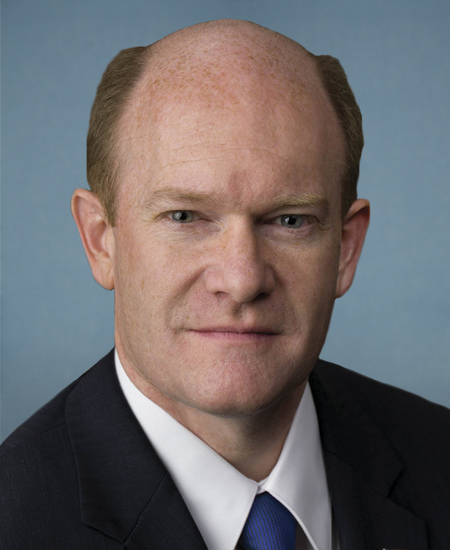
Christopher A. Coons
Christopher A. Coons Senate
D
Support
79% 229
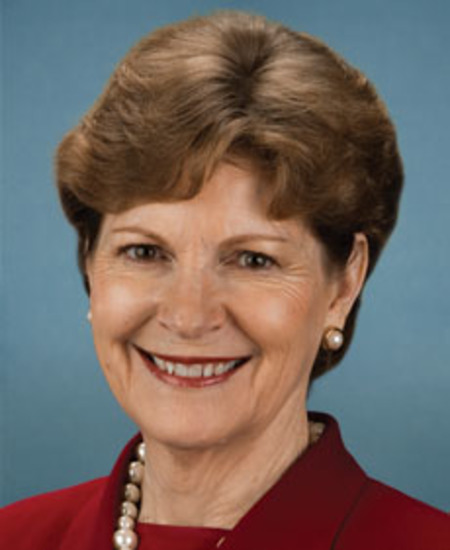
Jeanne Shaheen
Jeanne Shaheen Senate
D
Support
78% 232
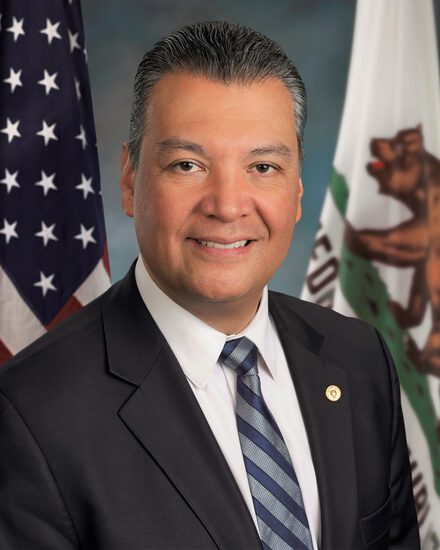
Alex Padilla
Alex Padilla Senate
D
Support
78% 232
Marsha Blackburn
Marsha Blackburn Senate
R
Strong −
11% 211
Ted Budd
Ted Budd Senate
R
Strong −
20% 220
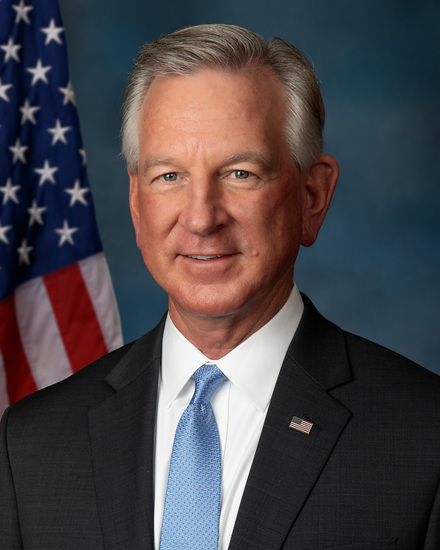
Tommy Tuberville
Tommy Tuberville Senate
R
Oppose
21% 229
Bill Cassidy
Bill Cassidy Senate
R
Oppose
22% 221
Jerry Moran
Jerry Moran Senate
R
Oppose
23% 228
Showing 1,251–1,260 of 1,479 bills

All environment bills

in committee · United States · Senate Feb 12, 2026

S 1349: Ruby Mountains Protection Act

The Ruby Mountains Protection Act (S 1349) withdraws approximately 309,272 acres of Humboldt-Toiyabe National Forest land and 39,926 acres of Ruby Lake National Wildlife Refuge from mineral leasing and development. This protects these specific areas from future mining or mineral extraction activities, directly affecting potential developers and federal land management decisions. The bill allows noncommercial wildlife management activities by the U.S. Fish and Wildlife Service but prohibits all mineral leasing under federal law. Maps defining the exact boundaries are available for public inspection at relevant federal offices.
in committee · United States · Senate May 6, 2025

S 1615: Northwest Wetlands Voluntary Incentives Program Act

S 1615 establishes a voluntary grant program to restore habitats for migratory birds in the Oregon and Washington coastal zone and Columbia River Basin. It provides competitive grants to eligible entities - including state/local governments, tribes, nonprofits, and private landowners - to fund habitat restoration projects focused on shorebirds, waterfowl, and other wetlands-dependent species. Projects must include a 25% non-Federal matching contribution and prioritize areas with rapid habitat loss or limited public access. The program authorizes $10 million annually (2026-2030) for grants and technical assistance, with strict rules prohibiting use for existing environmental compliance obligations. Grants cover project planning, infrastructure, and ecosystem assessment (up to 10% each), but not routine maintenance.
in committee · United States · House Aug 27, 2026

HR 4219: National Wildlife Refuge System Invasive Species Strike Team Act of 2025

This bill establishes a formal National Wildlife Refuge System Invasive Species Strike Team Program under the U.S. Fish and Wildlife Service. It requires regional teams trained in early detection and rapid response to prevent, control, and eradicate invasive species harming native wildlife and habitats on or near National Wildlife Refuges, using science-based methods and partnerships with states, tribes, and local entities. The program is funded at $15 million annually from 2026-2030 and mandates annual reports to Congress on progress in managing priority invasive species. It directly affects National Wildlife Refuge lands and adjacent properties by coordinating invasive species management with nearby landowners and agencies.
Sub-Topics Wildlife
in committee · United States · Senate Mar 26, 2025

S 1150: Increased TSP Access Act of 2025

The Increased TSP Access Act of 2025 expands access to conservation technical assistance by creating new certification pathways for third-party providers like agricultural retailers, cooperatives, and professional societies. It allows the Secretary of Agriculture to approve non-Federal entities (e.g., professional organizations or state agencies) to certify these providers, with specific criteria including expertise in conservation planning and experience working with farmers. The bill sets strict timelines for approval (40 business days) and requires approved entities to provide training and continuing education to certified providers. It also establishes fair payment rates for technical services and mandates public reporting on certification numbers, funding, and cost savings.
Sub-Topics Conservation Tags Agriculture
in committee · United States · House May 8, 2025

HR 3272: COMPOST Act

This bill defines composting as an official conservation practice under federal farm programs, directly affecting farmers who use composting to improve soil health and water retention. It amends key agricultural conservation programs (Conservation Stewardship Program and Environmental Quality Incentives Program) to explicitly include composting practices, making them eligible for technical assistance and financial support. The bill specifies that composting includes using organic waste generated on a farm or brought from nearby communities (with emissions considerations) to produce and manage compost on farms. These changes streamline access to existing conservation funding for composting activities without creating new programs. The bill focuses on updating program eligibility criteria to support sustainable soil management.
Sub-Topics Conservation Recycling
in committee · United States · Senate Mar 17, 2026

S 1242: Watershed Results Act

The Watershed Results Act establishes a program that funds conservation projects based on verified environmental outcomes (such as increased water supply, improved habitat, or cleaner water) rather than on the activities themselves. Eligible entities - including states, tribes, water districts, and non-profits - can apply to become "watershed partners" in Reclamation States (covering 48 states plus Hawaii, Alaska, and Puerto Rico) to manage projects using "advance watershed analytics" to identify cost-effective conservation efforts. The federal government provides up to 75% of project costs through grants and pay-for-performance contracts, requiring partners to secure the remaining funding and verify outcomes like water quantity or quality improvements. The program is limited to five projects nationwide and mandates annual reports to Congress on progress and outcomes.
in committee · United States · Senate Feb 5, 2025

S 425: Enhancing Energy Recovery Act

This bill amends the federal tax credit for carbon capture (Section 45Q) to expand eligibility for companies capturing carbon dioxide. It adds new qualifying uses for the credit, including using captured carbon as a "tertiary injectant" in oil/gas extraction projects and certain other storage methods. The credit amount is set at $17 per metric ton for 2025-2026, then adjusted annually for inflation after 2026. The changes apply to tax years beginning after December 31, 2024, directly affecting businesses engaged in carbon capture and storage.
Sub-Topics Oil & Gas
in committee · United States · House Nov 18, 2025

HR 6116: Safe Hydration is an American Right in Energy Development Act of 2025

This bill requires oil, gas, and geothermal companies to test nearby underground drinking water sources before, during, and after hydraulic fracturing ("fracking") operations. Companies must conduct testing at specified intervals (e.g., before starting, every 6 months during operations, annually for 5 years after) and submit results to the EPA within two weeks. The EPA will maintain a public database of all test results, making it searchable by ZIP code for community access. The requirement does not apply to sites with no accessible drinking water sources within one mile.
Sub-Topics Drinking Water
in committee · United States · House Dec 2, 2025

HR 5365: ENABLE Conservation Act of 2025

This bill amends the Food Security Act of 1985 to streamline enrollment in a conservation program focused on wildlife habitat. It adds a new enrollment category for land under the "State acres for wildlife enhancement initiative" and updates acreage limitation rules to reference this specific program. The changes directly affect farmers and landowners participating in conservation programs who enroll land for wildlife habitat improvements. The bill simplifies administrative processes for this specific initiative without altering conservation requirements or funding.
in committee · United States · House Feb 10, 2025

HR 1073: Great Lakes Gateways Network Act of 2025

The Great Lakes Gateways Network Act of 2025 creates a coordinated network of sites across the Great Lakes region to conserve, restore, and interpret natural, historical, and cultural resources. It authorizes the Secretary of the Interior (with EPA collaboration) to provide technical and financial assistance for linking these sites - such as parks, historic ports, and cultural landmarks - with trails, water routes, and educational connections. The bill establishes a grants program offering up to 50% federal funding for conservation projects, requiring non-federal matching funds (including in-kind contributions) and capping administrative costs at 10% of project totals. The program is funded at $6 million annually from 2026 through 2031 for state/local governments, nonprofits, and private groups.
Showing 1,251 to 1,260 of 1,479 bills