Issue · Environment

Environment

Every environment bill, vote, and legislator stance in United States, automatically classified by Maddy, our AI policy reader.

Total bills
1,481
119th Congress
Top supporter
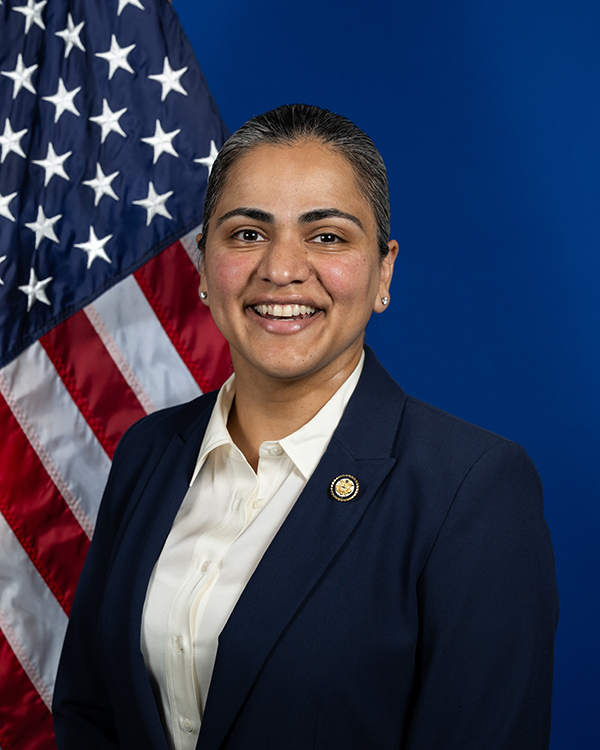
Aisha Wahab
100% support rate
Top opponent
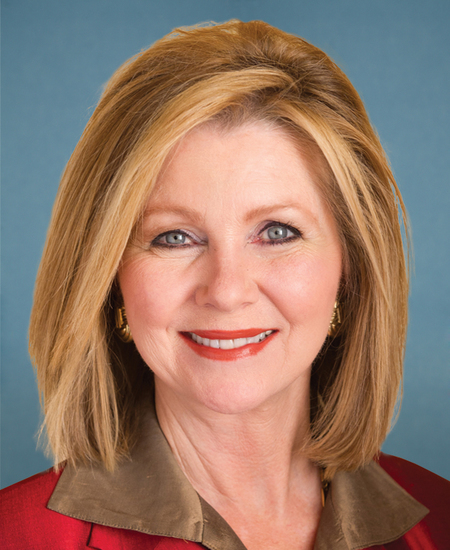
Marsha Blackburn
11% support rate
Ranked legislators
10
5 support · 5 oppose
Key legislators

Who's moving environment in United States

Legislators moving environment in United States
Legislator Party Stance Support rate Decisive votes
Aisha Wahab
Aisha Wahab House · District 14
D
Strong +
100% 7
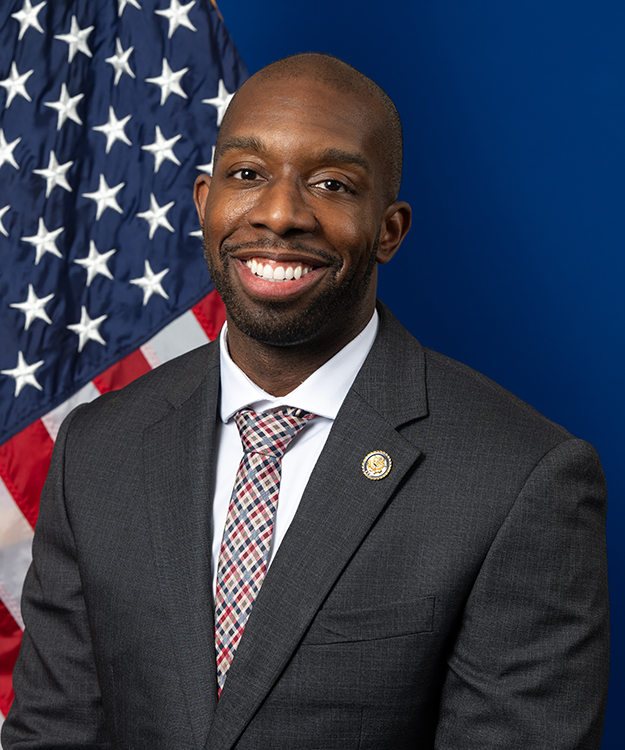
Everton Blair Jr.
Everton Blair Jr. House · District 13
D
Strong +
89% 9
Martin Heinrich
Martin Heinrich Senate
D
Strong +
84% 37
Adam B. Schiff
Adam B. Schiff Senate
D
Support
79% 53
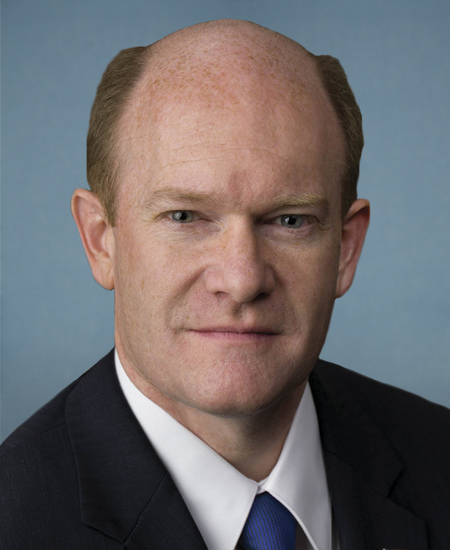
Christopher A. Coons
Christopher A. Coons Senate
D
Support
79% 52
Marsha Blackburn
Marsha Blackburn Senate
R
Strong −
11% 36
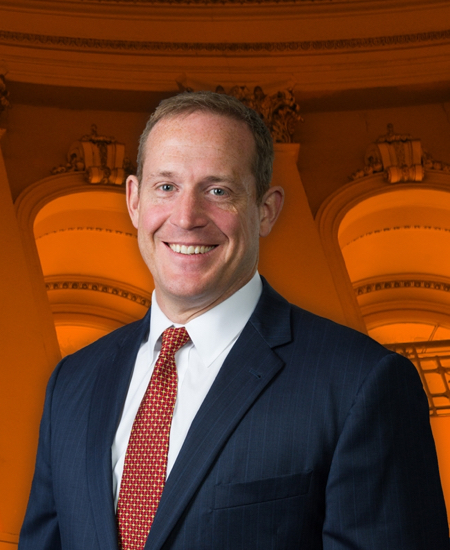
Ted Budd
Ted Budd Senate
R
Strong −
20% 40
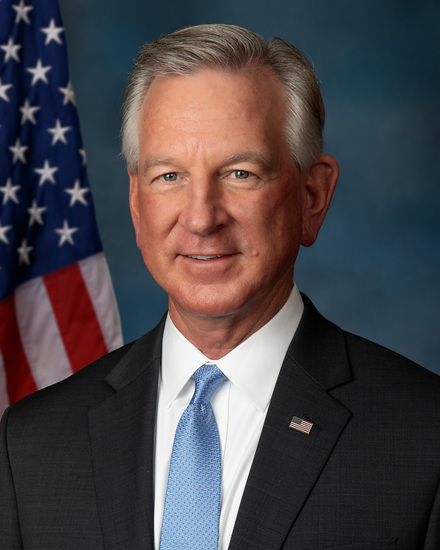
Tommy Tuberville
Tommy Tuberville Senate
R
Oppose
21% 53
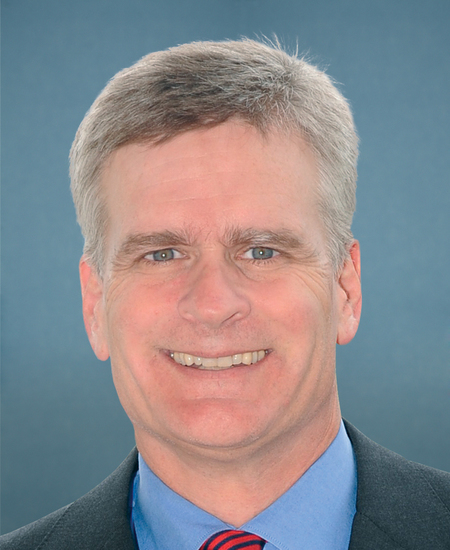
Bill Cassidy
Bill Cassidy Senate
R
Oppose
22% 54
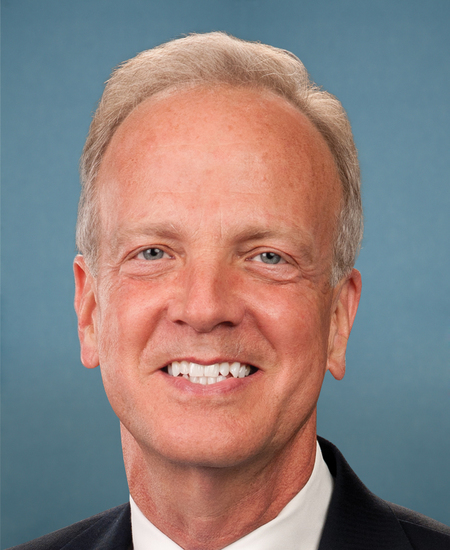
Jerry Moran
Jerry Moran Senate
R
Oppose
23% 53
Showing 1,171–1,180 of 1,481 bills

All environment bills

in committee · United States · Senate May 5, 2025

S 1594: Captive Primate Safety Act

The Captive Primate Safety Act bans the import, export, sale, transport, breeding, or possession of specific nonhuman primates - including chimpanzees, gorillas, orangutans, and their hybrids - in interstate or foreign commerce. It directly affects individuals, businesses, and facilities involved in trading or owning these primates, with exceptions for pre-existing owners who register animals with the Fish and Wildlife Service within 180 days and agree to no breeding, sales, or public contact. Research facilities with valid Department of Agriculture registrations may continue using these primates for research. The law requires the Secretary of the Interior to issue implementing regulations within 180 days, but the prohibitions take effect immediately regardless of regulation timing.
Sub-Topics Wildlife
in committee · United States · Senate Oct 30, 2025

S 1000: A bill to establish an Ambassador-at-Large for Arctic Affairs.

S 1000 creates a new position for a U.S. Ambassador-at-Large for Arctic Affairs within the State Department. This official, appointed by the President with Senate approval, will coordinate U.S. foreign policy across Arctic-related issues including national security, environmental protection, indigenous engagement, resource management, and scientific research. The role will oversee efforts involving multiple federal agencies and work with Arctic Council nations (U.S., Canada, Denmark, Iceland, Norway, Sweden, Finland, and Russia). The bill defines the "Arctic region" to include northern U.S. territories, Arctic waters, and the Aleutian Chain, establishing this position to centralize U.S. policy coordination in the region.
in committee · United States · House Apr 24, 2025

HR 3001: To advance commonsense priorities.

HR 3001, titled "To advance commonsense priorities," primarily establishes the Market Choice Act, which imposes a tax on greenhouse gas emissions from fossil fuels starting at $35 per metric ton of carbon dioxide equivalent in 2027, with annual increases based on inflation. The bill creates border adjustments for greenhouse gas-intensive products imported from other countries to prevent "carbon leakage" and ensure domestic manufacturers aren't disadvantaged. Revenue from these taxes will fund the Rebuilding Infrastructure and Solutions for the Environment Trust Fund, with 70% allocated to highway infrastructure, 7% to climate adaptation projects, and other portions to environmental programs, displaced worker assistance, and research. The bill also establishes a National Climate Commission to set emissions reduction goals and assess federal climate policies.
Sub-Topics Climate Change
in committee · United States · House Apr 10, 2025

HR 2848: Stop Arctic Ocean Drilling Act of 2025

HR 2848, the Stop Arctic Ocean Drilling Act of 2025, prohibits the federal government from issuing new oil and gas leases in Arctic federal waters. It amends the Outer Continental Shelf Lands Act to ban the Secretary of the Interior from authorizing exploration, development, or production of oil, natural gas, or minerals in designated Arctic areas, overriding all other federal laws. The bill defines "Arctic" using the 1984 Arctic Research Act, focusing on federal waters off Alaska. This directly affects federal leasing decisions and prevents new drilling permits in the region.
Sub-Topics Oil & Gas
in committee · United States · Senate Jul 22, 2025

S 2374: Climate Change Resiliency Fund for America Act of 2025

The Climate Change Resiliency Fund for America Act of 2025 establishes a federal fund to finance climate adaptation projects, directing at least 40% of funds toward communities disproportionately impacted by climate change, including environmental justice communities, frontline communities, and low-income communities. It creates a Climate Change Advisory Commission to develop guidelines for funding projects that improve infrastructure resilience, protect public health, and preserve ecosystems. The bill requires eligible entities to provide at least 25% of project costs (with waivers available for disadvantaged communities) and mandates compliance with prevailing wage standards for labor. Funds will be raised through $200 million annually in "Climate Change Obligations" (bonds), with potential for additional funding up to $800 million per year. The program supports concrete climate adaptation efforts addressing sea level rise, extreme weather, and environmental health risks.
in committee · United States · Senate Jul 16, 2025

S 2299: Resilient Transit Act of 2025

The Resilient Transit Act of 2025 (S 2299) creates federal grants to help state and local governments improve public transportation systems' resilience against climate impacts like flooding, wildfires, and extreme weather. It funds specific activities such as flood barriers, backup power systems, temperature monitoring, and vulnerability assessments for transit infrastructure. Grants prioritize projects benefiting environmental justice communities, medically underserved areas, and neighborhoods with high poverty or unemployment rates, as defined by the bill. The legislation authorizes $4.15 billion for these grants in fiscal year 2025, requiring annual reports to Congress on funded projects and their community impact.
in committee · United States · House Feb 2, 2026

HR 6464: Affordable Clean Water Infrastructure Act

This bill amends federal water pollution control funding rules to make wastewater services more affordable for low-income communities. It requires states to dedicate at least 20% of their annual federal capitalization grants toward additional subsidies for wastewater infrastructure, with an additional 10% specifically reserved for rural, small, and tribal publicly owned treatment works. States must use these funds to help ratepayers afford wastewater (including stormwater) services, excluding loans with 0% interest rates from counting toward subsidy calculations. The policy directly affects communities served by publicly owned treatment works, particularly in underserved rural and tribal areas, by mandating minimum subsidy levels from state water funds.
Sub-Topics Drinking Water Water Quality Tags Rural Communities Tribal Nations
in committee · United States · Senate Jun 11, 2025

S 2034: A bill to authorize the International Boundary and Water Commission to accept funds for activities relating to wastewater treatment and flood control works, and for other purposes.

This bill (S 2034) authorizes the International Boundary and Water Commission (IBWC) to accept funds from federal or non-federal entities - like grants or agreements - for specific projects. It allows the IBWC to use these funds to study, design, construct, operate, or maintain wastewater treatment facilities, water conservation projects, or flood control works along the U.S.-Mexico border. Key limits include a $5 million annual cap on reimbursements to non-federal entities and restrictions on accepting funds from foreign entities designated as "of concern" or with agreements with such entities. The funds must be deposited into a specific Treasury account and reported annually to relevant congressional committees.
in committee · United States · Senate May 15, 2025

S 1788: Civilian Conservation Center Enhancement Act of 2025

This bill enhances Civilian Conservation Centers (CCCs) operated by the Interior or Agriculture Departments to train underserved youth in conservation fields. It creates specialized wildfire and forestry training programs at CCCs, sets annual hiring goals (300 covered graduates per year for wildland firefighting roles), and allows direct hiring of graduates without standard civil service rules. The bill also establishes a housing pilot program using covered students to renovate federal housing for firefighters and other agency staff. These provisions directly affect CCC graduates (those who completed training) and current CCC students, aiming to build workforce pipelines for conservation and firefighting careers.
in committee · United States · Senate Sep 10, 2025

S 881: Renewable Fuel for Ocean-Going Vessels Act

This bill amends the Clean Air Act to require renewable fuel components in fuel for ocean-going vessels, alongside existing requirements for home heating oil and jet fuel. It directly affects shipping companies operating ocean vessels by mandating renewable fuel content starting in the second calendar year after enactment. The key mechanism updates the definition in the Clean Air Act to explicitly include "fuel for ocean-going vessels" in the renewable fuel requirements. The Environmental Protection Agency must issue implementing regulations within one year of the bill's enactment and submit a report to Congress one year after those regulations are finalized.
Showing 1,171 to 1,180 of 1,481 bills