Issue · Environment

Environment

Every environment bill, vote, and legislator stance in United States, automatically classified by Maddy, our AI policy reader.

Total bills
1,490
119th Congress
Top supporter
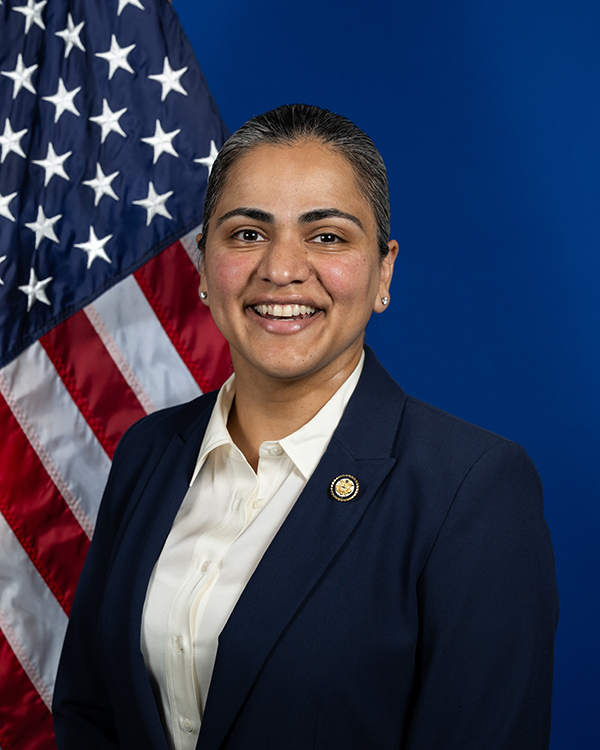
Aisha Wahab
100% support rate
Top opponent
Marsha Blackburn
11% support rate
Ranked legislators
10
5 support · 5 oppose
Key legislators

Who's moving environment in United States

Legislators moving environment in United States
Legislator Party Stance Support rate Decisive votes
Aisha Wahab
Aisha Wahab House · District 14
D
Strong +
100% 7
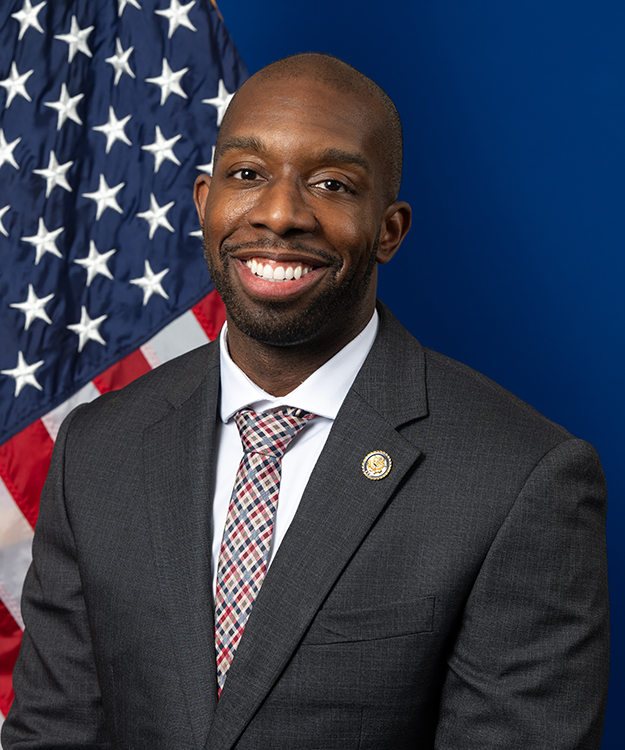
Everton Blair Jr.
Everton Blair Jr. House · District 13
D
Strong +
89% 9
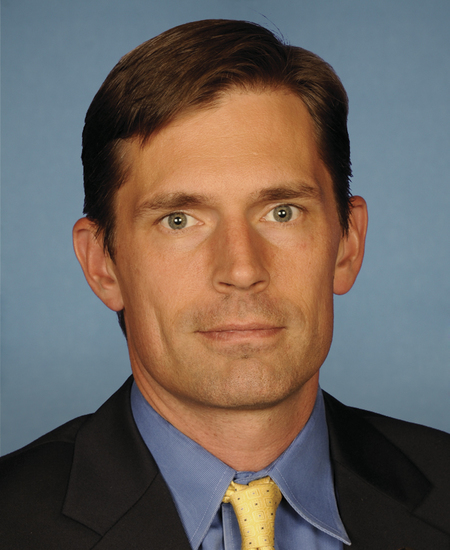
Martin Heinrich
Martin Heinrich Senate
D
Strong +
84% 37
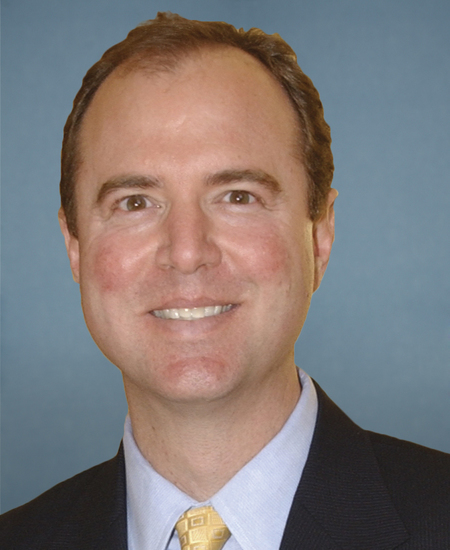
Adam B. Schiff
Adam B. Schiff Senate
D
Support
79% 53
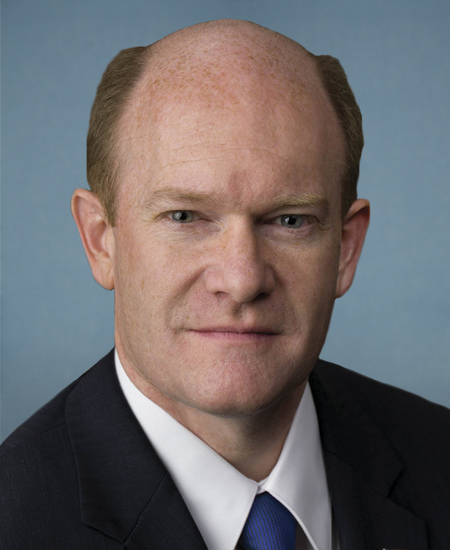
Christopher A. Coons
Christopher A. Coons Senate
D
Support
79% 52
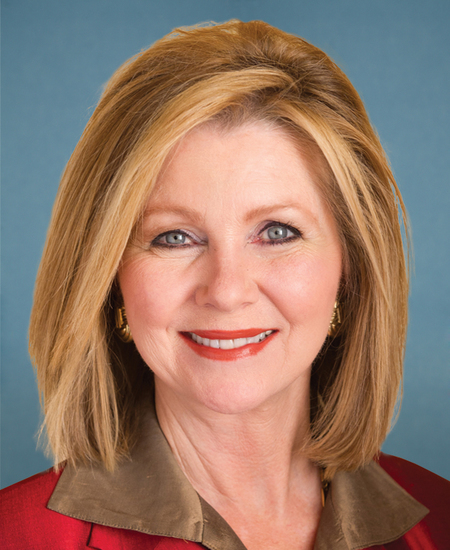
Marsha Blackburn
Marsha Blackburn Senate
R
Strong −
11% 36
Ted Budd
Ted Budd Senate
R
Strong −
20% 40
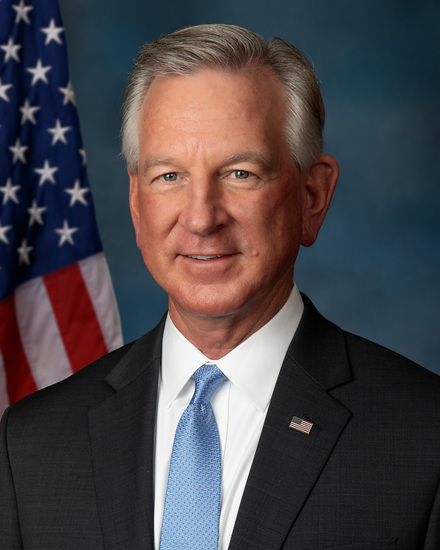
Tommy Tuberville
Tommy Tuberville Senate
R
Oppose
21% 53
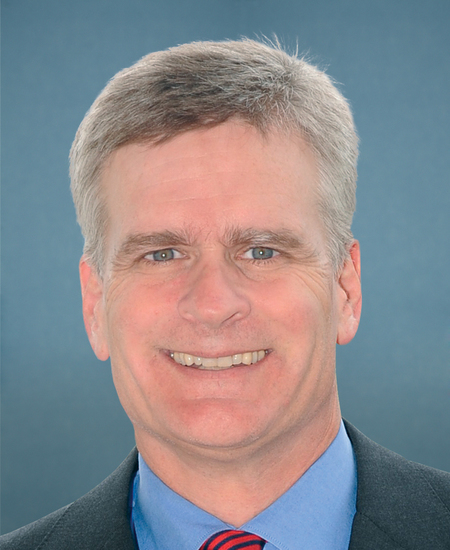
Bill Cassidy
Bill Cassidy Senate
R
Oppose
22% 54
Jerry Moran
Jerry Moran Senate
R
Oppose
23% 53
Showing 1,051–1,060 of 1,490 bills

All environment bills

passed · United States · House Jan 24, 2025

HR 375: Continued Rapid Ohia Death Response Act of 2025

This bill continues federal efforts to combat Rapid Ohia Death, a fungal disease threatening Hawaii's native ohia trees (Metrosideros polymorpha). It mandates ongoing research on disease transmission, management of invasive animals (like goats) that spread the disease, and funding for forest restoration through collaboration between federal agencies (Interior, Agriculture), Hawaii state, and local stakeholders. The key provisions require the U.S. Geological Survey and Forest Service to sustain research, partner on land management, and provide financial assistance to prevent disease spread and restore native forests. The bill directly affects Hawaii's ecosystems, particularly the culturally significant ohia tree species and the state's native forest habitats.
in committee · United States · Senate Dec 3, 2025

S 3324: FERC Greenhouse Gas and Environmental Justice Policy Act of 2025

S 3324 (FERC Greenhouse Gas and Environmental Justice Policy Act of 2025) requires the Federal Energy Regulatory Commission (FERC) to evaluate environmental justice impacts and greenhouse gas emissions when reviewing natural gas pipeline projects. It mandates FERC to assess whether proposed projects disproportionately affect environmental justice communities (defined as communities of color, indigenous groups, or low-income areas facing pollution burdens) and to quantify emissions, including downstream effects from gas combustion. Projects with 100,000+ metric tons of annual CO2 equivalent emissions must undergo stricter review, and applicants must submit mitigation plans to address environmental effects. FERC must explain in writing if it approves projects without sufficient mitigation or if environmental effects outweigh benefits. This directly affects pipeline applicants, FERC, and communities near proposed projects.
in committee · United States · Senate Dec 2, 2025

S 1228: A bill to amend the Public Lands Corps Act of 1993 to modify the cost-sharing requirement for conservation projects carried out by a qualified youth or conservation corps, and for other purposes.

S 1228 amends the Public Lands Corps Act of 1993 to change cost-sharing requirements for conservation projects run by qualified youth or conservation corps on public lands. It increases the federal government's required cost-share from 75% to 90% and decreases the non-federal partner's share from 25% to 10%. This directly affects conservation corps and their partners by reducing their financial burden for projects on public lands. The bill makes no other changes to the Act's provisions.
in committee · United States · House Jan 6, 2026

HR 6939: Bycatch Reduction and Research Act of 2026

The Bycatch Reduction and Research Act of 2026 establishes a Bycatch Reduction and Research Task Force to guide research on reducing bycatch of Alaska-origin salmon. It requires new salmon migration research through tagging and genetic analysis, along with ecosystem studies on habitat impacts in the Bering Sea, Aleutian Islands, and Gulf of Alaska. The bill creates a Flume Tank Assistance Fund to support testing of fishing gear that reduces bycatch and habitat damage, and mandates improved electronic monitoring systems for fisheries. It also reauthorizes a Bycatch Reduction Engineering Program with $4 million annually and establishes a Bycatch Mitigation and Habitat Protection Assistance Fund administered by the National Fish and Wildlife Foundation.
Sub-Topics Wildlife
in committee · United States · House Dec 24, 2025

HR 6923: Jobs for a Carbon Free Transportation System Act

This bill creates a federal grant program to fund "low carbon corridors" connecting different transportation systems (like public transit, bike lanes, and electric vehicle infrastructure) to reduce emissions and improve connectivity. It establishes value capture financing mechanisms through tax increment districts to fund transportation infrastructure and expands tax-exempt bonds for transit-oriented development. The bill also creates a grant program to help workers transition from fossil fuel industries to sustainable jobs and establishes a National Employment Corps to guarantee employment for those displaced by the energy transition. Local governments, transit agencies, and communities near transportation hubs would directly benefit from these provisions, while requiring projects to follow prevailing wage laws.
in committee · United States · House Apr 10, 2025

HR 2865: New England Coastal Protection Act of 2025

The New England Coastal Protection Act of 2025 prohibits the federal government from issuing new leases for oil and gas exploration, development, or production in offshore federal waters along the coasts of Maine, New Hampshire, Massachusetts, Rhode Island, and Connecticut. This bill directly affects the Department of the Interior (which manages offshore leasing) and any companies seeking to drill in these areas by blocking new lease permits. The key provision amends the Outer Continental Shelf Lands Act to explicitly ban the Secretary from granting such leases in the specified coastal region. As a result, the bill prevents new oil and gas drilling projects in these offshore waters, though it does not impact existing leases or activities.
in committee · United States · Senate Mar 4, 2025

S 835: Reduce Food Loss and Waste Act of 2025

S 835, the Reduce Food Loss and Waste Act of 2025, establishes a voluntary USDA certification program for organizations that reduce food waste. It directly affects food businesses (like restaurants and grocers), schools, government entities, and nonprofits that donate or redirect excess food. To earn certification, participants must document 12 months of food donations to those in need or alternative disposal (e.g., composting), verified by accredited third parties. The program promotes certified entities through voluntary labels and USDA website listings, with $3 million annually for implementation and coordination between USDA, FDA, and EPA.
Sub-Topics Recycling
in committee · United States · Senate Feb 6, 2025

S 476: White Oak Resiliency Act of 2025

This bill establishes the White Oak Restoration Initiative Coalition to coordinate federal, state, and private efforts for restoring white oak forests across the U.S. It directs the Agriculture and Interior Departments to launch 5 pilot projects on public lands (including national forests and wildlife refuges) to improve white oak regeneration and health, and creates a voluntary grant program to help private landowners restore white oak forests through partnerships with organizations like the National Fish and Wildlife Foundation. The bill also requires developing a national strategy to address white oak seedling shortages in nurseries and funds research at land-grant universities on white oak genetics, disease resistance, and reforestation techniques. These provisions directly affect federal agencies, land-grant universities, forest landowners, and conservation groups working on white oak ecosystem restoration.
in committee · United States · House Jun 11, 2025

HR 3930: Roadless Area Conservation Act of 2025

This bill codifies existing protections for designated roadless areas within the National Forest System by prohibiting new road construction, road reconstruction, and logging in these areas. It directly affects National Forest lands already identified as "inventoried roadless areas" under the current Roadless Rule, which covers roughly 58 million acres. The key mechanism requires the Secretary of Agriculture to enforce these prohibitions, maintaining current protections without expanding restrictions to other lands or altering existing multiple-use management. The bill does not create new protected areas but legally solidifies the existing regulatory framework to preserve ecological and recreational values.
in committee · United States · House Feb 4, 2026

HR 6568: Lower Yellowstone River Native Fish Conservation Act

This bill, the Lower Yellowstone River Native Fish Conservation Act, ensures the federal government (specifically the Bureau of Reclamation) remains solely responsible for operating, maintaining, and funding the Lower Yellowstone Fish Bypass Channel - a structure built to help endangered pallid sturgeon migrate around a dam. It directly protects the Lower Yellowstone Irrigation District and Lower Yellowstone Irrigation Project from being forced to cover costs or operations for this federally mandated conservation measure. The bill prohibits any federal agency from shifting these responsibilities to non-federal entities, authorizes $1 million annually for channel upkeep, and requires the federal government to report on its operations to Congress. This clarifies existing law to prevent future disputes over who bears the financial burden for this environmental mitigation project.
Sub-Topics Conservation
Showing 1,051 to 1,060 of 1,490 bills