

Issue · Energy
Energy (Pipeline Infrastructure)
Every energy bill, vote, and legislator stance in United States, automatically classified by Maddy, our AI policy reader.
Total bills
95
119th Congress
Top supporter
Thomas Massie
80% support rate
Top opponent
Jared F. Golden
0% support rate
Ranked legislators
10
5 support · 5 oppose
Key legislators
Who's moving pipeline infrastructure in United States
| Legislator | Party | Stance | Support rate | Votes |
|---|---|---|---|---|

Thomas Massie
House · District 4
|
R |
Strong +
|
80% | 5 |
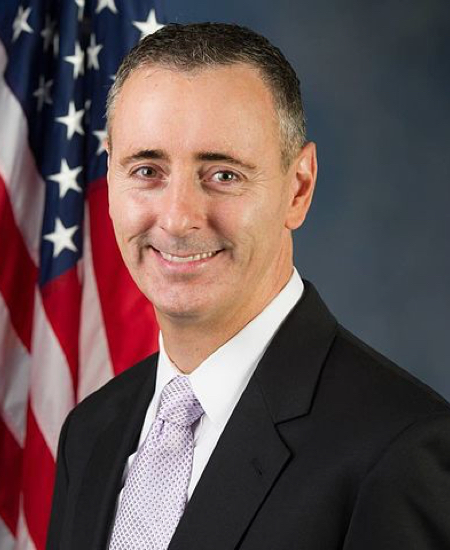
Brian K. Fitzpatrick
House · District 1
|
R |
Support
|
67% | 6 |
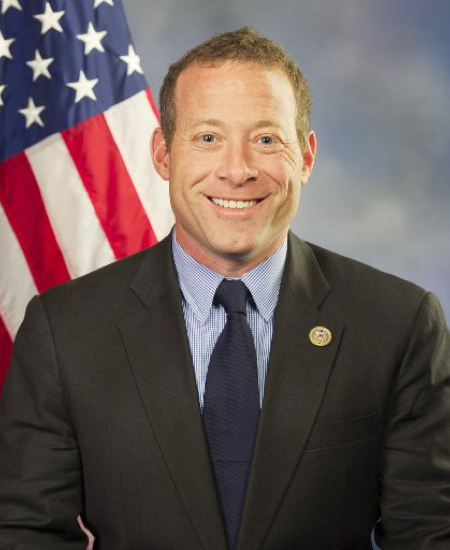
Josh Gottheimer
House · District 5
|
D |
Support
|
67% | 6 |

Adelita S. Grijalva
House · District 7
|
D |
Support
|
67% | 3 |

Anna Paulina Luna
House · District 13
|
R |
Support
|
67% | 3 |

Jared F. Golden
House · District 2
|
D |
Strong −
|
0% | 6 |

Marie Gluesenkamp Perez
House · District 3
|
D |
Strong −
|
0% | 6 |

Adam Gray
House · District 13
|
D |
Strong −
|
0% | 5 |
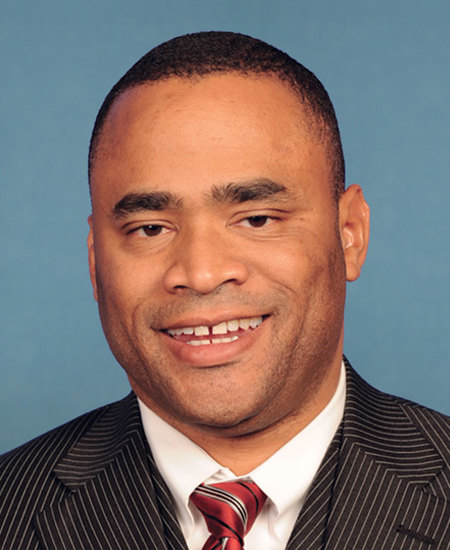
Marc A. Veasey
House · District 33
|
D |
Strong −
|
0% | 4 |
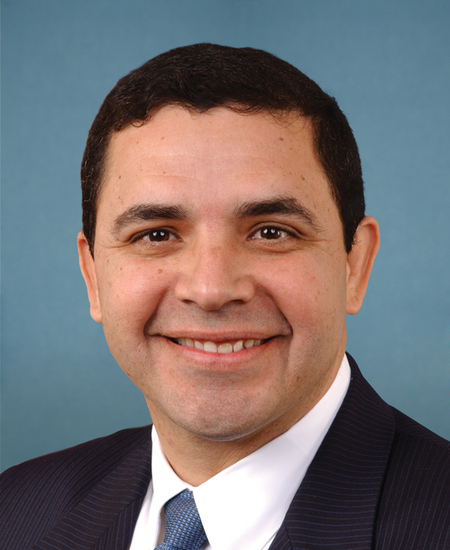
Henry Cuellar
House · District 28
|
D |
Strong −
|
17% | 6 |
Showing 41–50 of 95
bills
All energy bills
HR 1555: Bureau of Land Management Mineral Spacing Act
Topics
✗ EnergyOpposes EnergyRemoves federal environmental reviews for oil/gas drilling, facilitating fossil fuel development while weakening clean energy regulatory pathways.
✗ EnvironmentOpposes EnvironmentRemoves federal environmental reviews (NEPA, ESA) for oil/gas drilling, weakening protections and prioritizing industry over conservation.
S 3500: Hydropower Licensing Transparency Act
HR 752: Methane Emissions Mitigation Research and Development Act
Topics
✓ EnergySupports EnergyBill funds $36M+ research to reduce methane leaks in natural gas infrastructure, advancing cleaner energy production and emissions mitigation.
✓ EnvironmentSupports EnvironmentBill funds $36M+ research to improve methane leak detection in natural gas infrastructure, directly reducing greenhouse gas emissions and advancing climate protection efforts.
HR 5356: National Infrastructure Bank Act of 2025
Topics
✓ EnergySupports EnergyBill explicitly funds energy infrastructure projects with criteria prioritizing environmental benefits, aligning with clean energy investment and infrastructure development.
✓ TransportationSupports TransportationEstablishes government bank to fund transportation infrastructure with $5T loans, directly advancing transportation project financing per bill summary.
Sub-Topics
Pipeline Infrastructure
HR 3592: Protect LNG Act of 2025
Topics
✗ EnergyOpposes EnergyBill streamlines LNG export permits, removing legal barriers for fossil fuel infrastructure, directly opposing restrictions on fossil fuel development per topic description.
✗ EnvironmentOpposes EnvironmentBill prevents court challenges halting LNG permits, requiring disputes to return to agencies instead of canceling permits. Weakens environmental review process for LNG projects, which are significant greenhouse gas sources.
Sub-Topics
Pipeline Infrastructure
HR 6081: CLOSE Act
Topics
✓ EnergySupports EnergyBill tightens emissions regulations on oil/gas production by requiring aggregation of emissions, reducing pollution from fossil fuel sources, aligning with cleaner energy policy goals.
✓ EnvironmentSupports EnvironmentBill closes loopholes by requiring aggregation of oil/gas emissions for major source regulation under Clean Air Act, strengthening pollution controls per title and summary.
HR 1235: Federal Infrastructure Bank Act of 2025
Topics
✓ Budget & TaxesSupports Budget & TaxesBill creates federal infrastructure bank to fund public projects through loans and investments, advancing government spending on essential infrastructure.
✓ EnergySupports EnergyBill explicitly includes 'energy systems' as eligible projects for financing through the Federal Infrastructure Bank, aligning with infrastructure investment indicators.
✓ TransportationSupports TransportationBill creates Federal Infrastructure Bank to fund transportation projects (roads, bridges, ports, airports) via loans/investments, directly advancing infrastructure needs.
HR 313: Natural Gas Tax Repeal Act
Topics
✗ Budget & TaxesOpposes Budget & TaxesBill rescinds unobligated funds for methane emissions program, defunding a regulatory initiative and reducing government spending on environmental compliance.
✗ EnergyOpposes EnergyRepeals methane emissions program for natural gas, removing regulatory requirement that would reduce fossil fuel emissions. Weakens clean energy standard by eliminating existing emissions controls.
✗ EnvironmentOpposes EnvironmentRepeals methane emissions program and rescinds funding, removing regulatory requirements that would reduce emissions from natural gas systems.
HR 1587: Protecting International Pipelines for Energy Security Act
Topics
✓ EnergySupports EnergyBill protects existing fossil fuel pipeline permits, advancing energy infrastructure (oil/gas) by blocking presidential revocation without congressional action.
✗ EnvironmentOpposes EnvironmentBill blocks presidential cancellation of pipeline permits, preventing environmental restrictions on fossil fuel infrastructure like Keystone XL, weakening climate protection efforts.