

Issue · Energy
Energy (Pipeline Infrastructure)
Every energy bill, vote, and legislator stance in United States, automatically classified by Maddy, our AI policy reader.
Total bills
95
119th Congress
Top supporter
Thomas Massie
80% support rate
Top opponent
Jared F. Golden
0% support rate
Ranked legislators
10
5 support · 5 oppose
Key legislators
Who's moving pipeline infrastructure in United States
| Legislator | Party | Stance | Support rate | Votes |
|---|---|---|---|---|

Thomas Massie
House · District 4
|
R |
Strong +
|
80% | 5 |

Brian K. Fitzpatrick
House · District 1
|
R |
Support
|
67% | 6 |
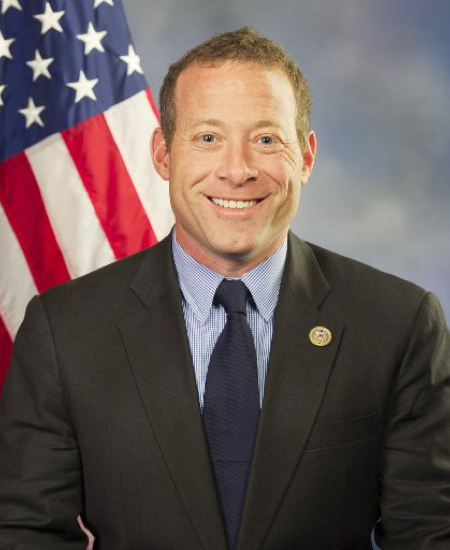
Josh Gottheimer
House · District 5
|
D |
Support
|
67% | 6 |

Adelita S. Grijalva
House · District 7
|
D |
Support
|
67% | 3 |

Anna Paulina Luna
House · District 13
|
R |
Support
|
67% | 3 |

Jared F. Golden
House · District 2
|
D |
Strong −
|
0% | 6 |

Marie Gluesenkamp Perez
House · District 3
|
D |
Strong −
|
0% | 6 |

Adam Gray
House · District 13
|
D |
Strong −
|
0% | 5 |
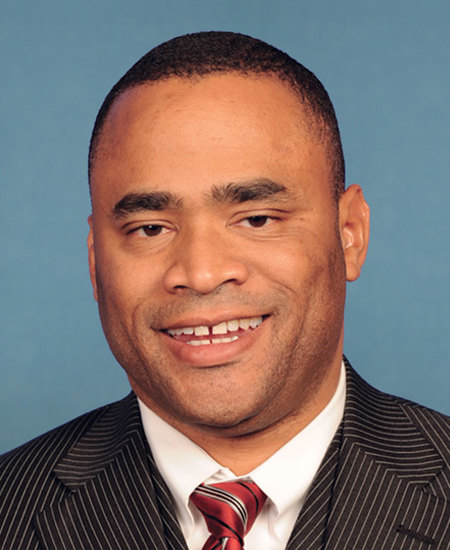
Marc A. Veasey
House · District 33
|
D |
Strong −
|
0% | 4 |
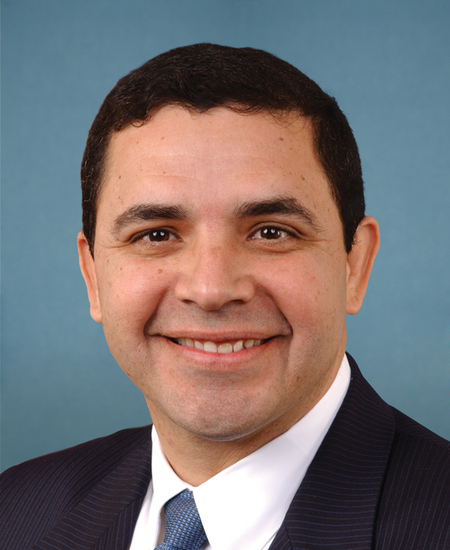
Henry Cuellar
House · District 28
|
D |
Strong −
|
17% | 6 |
Showing 31–40 of 95
bills
All energy bills
S 4166: SECURE Grid Act
Topics
✓ EnergySupports EnergyBill strengthens energy infrastructure security by requiring states to include local distribution systems in energy security plans, addressing physical and cybersecurity threats to protect utility reliability.
✓ TechnologySupports TechnologyBill enhances cybersecurity requirements for electricity infrastructure, addressing cybersecurity risks and supply chain vulnerabilities to protect critical energy systems.
S 4193: Wildfire and Grid Reliability Act
Topics
✓ EnergySupports EnergyBill creates grant program to improve grid safety and reduce wildfire risks through infrastructure investments like undergrounding power lines and fire-resistant equipment.
✓ EnvironmentSupports EnvironmentBill funds grid improvements to reduce wildfire risks, protecting natural resources and preventing environmental damage from fires.
✓ TechnologySupports TechnologyBill funds deployment of early detection technology and fire-resistant equipment to improve grid safety and reduce wildfire risks through DOE grants.
S 3926: E-Access Act
Topics
✓ EnergySupports EnergyBill promotes competition in energy management tools, enhances consumer access to energy information, and supports innovative products to improve grid reliability and energy efficiency.
✓ EnvironmentSupports EnvironmentBill promotes energy efficiency through digital tools, enabling consumers to better manage usage and reduce waste, indirectly supporting environmental protection.
✓ TechnologySupports TechnologyBill promotes digital energy management tools, standardizes data access, and enables third-party app integration for consumer energy management.
S 3947: REWIRE Act
Topics
✓ EnergySupports EnergyBill streamlines transmission upgrades within existing rights-of-way, reducing regulatory barriers to grid modernization and supporting energy infrastructure development.
✗ EnvironmentOpposes EnvironmentBill exempts transmission upgrades from environmental reviews, weakening environmental protections and reducing oversight on infrastructure projects.
✓ TechnologySupports TechnologyBill enables grid modernization and transmission upgrades, which supports technology infrastructure development and energy technology deployment.
HR 7873: Taiwan Energy Security and Anti-Embargo Act of 2026
Topics
✓ EnergySupports EnergyBill explicitly aims to enhance energy security by increasing LNG exports, improving infrastructure resilience, and establishing a joint energy security center.
✓ TechnologySupports TechnologyBill includes cybersecurity improvements and technical assistance for Taiwan's energy infrastructure, which supports technology security and resilience.
HR 5062: Pipeline Security Act
Topics
✓ EnergySupports EnergyBill strengthens energy infrastructure security by assigning TSA responsibility for pipeline cybersecurity and terrorism protection, enhancing safety for energy systems.
✓ TechnologySupports TechnologyBill mandates TSA to enforce NIST-based cybersecurity standards for pipelines, strengthening protections against cyber threats per bill's security guidelines and inspection requirements.
✓ TransportationSupports TransportationBill assigns TSA to secure pipelines against cyber/terrorism threats, enhancing transportation infrastructure safety and security standards.
HR 2783: Infrastructure Project Acceleration Act
Topics
✗ EnergyOpposes EnergyBill waives environmental reviews for large projects, removing barriers that could apply to renewable energy infrastructure while facilitating fossil fuel projects without clean energy standards.
✗ EnvironmentOpposes EnvironmentBill waives Clean Water Act and Endangered Species Act permits, weakening environmental protections for large manufacturing projects.
S 1026: Tar Sands Tax Loophole Elimination Act
Topics
✓ Budget & TaxesSupports Budget & TaxesCloses tax loophole for tar sands oil, requiring standard excise tax payment, aligning with fiscal responsibility and closing revenue gaps.
✗ EnergyOpposes EnergyCloses tax loophole for tar sands, requiring standard tax on unconventional oil, removing financial incentive for fossil fuel production.
✓ EnvironmentSupports EnvironmentCloses tax loophole favoring tar sands (high-emission resource), requiring standard crude oil tax. This discourages environmentally harmful extraction and alignates with pollution reduction goals.
HR 3059: Streamlining Critical Mineral Permitting Act
Topics
✓ EnergySupports EnergyStreamlines permits for mining critical minerals essential to renewable energy infrastructure, directly advancing clean energy supply chains per bill's definition of 'critical energy resources'.
✗ EnvironmentOpposes EnvironmentStreamlines mining permits for critical minerals, reducing regulatory barriers that typically include environmental reviews, weakening protections for natural resources and pollution control.