Issue · Criminal Justice

Criminal Justice (Courts)

Every criminal justice bill, vote, and legislator stance in United States, automatically classified by Maddy, our AI policy reader.

Total bills
123
119th Congress
Top supporter
Adam B. Schiff
100% support rate
Top opponent
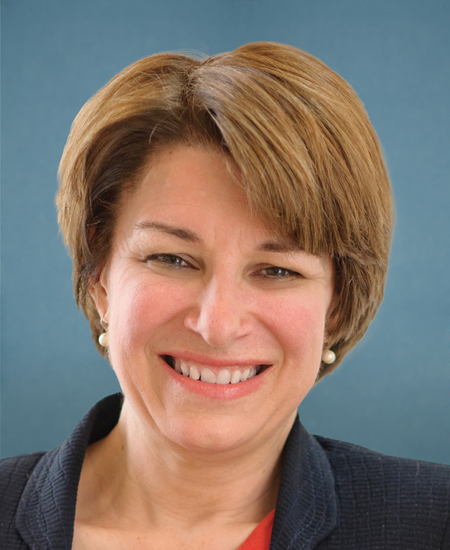
Amy Klobuchar
0% support rate
Ranked legislators
10
5 support · 5 oppose
Key legislators

Who's moving courts in United States

Legislators moving courts in United States
Legislator Party Stance Support rate Decisive votes
Adam B. Schiff
Adam B. Schiff Senate
D
Strong +
100% 3
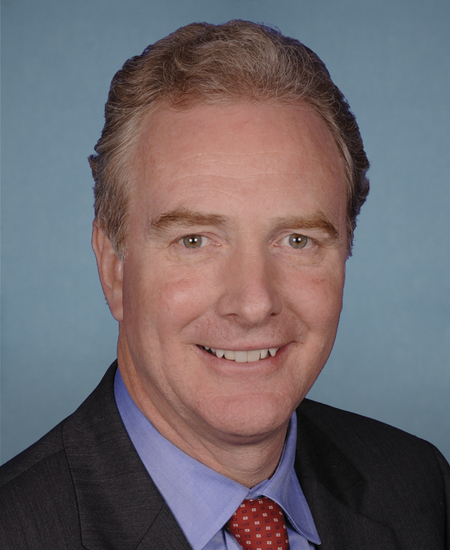
Chris Van Hollen
Chris Van Hollen Senate
D
Strong +
100% 3
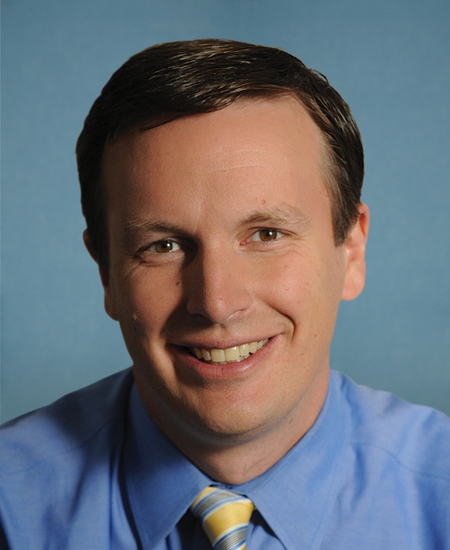
Christopher Murphy
Christopher Murphy Senate
D
Strong +
100% 3
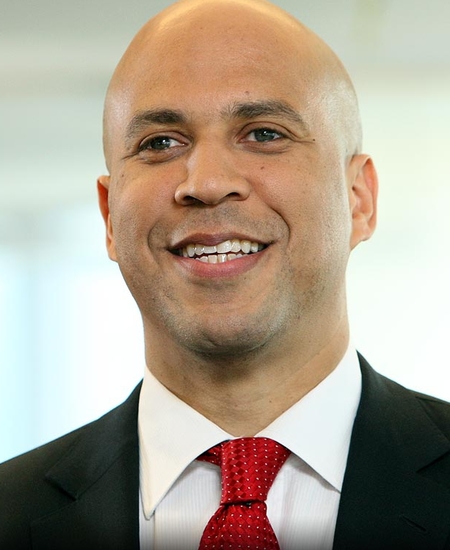
Cory A. Booker
Cory A. Booker Senate
D
Strong +
100% 3
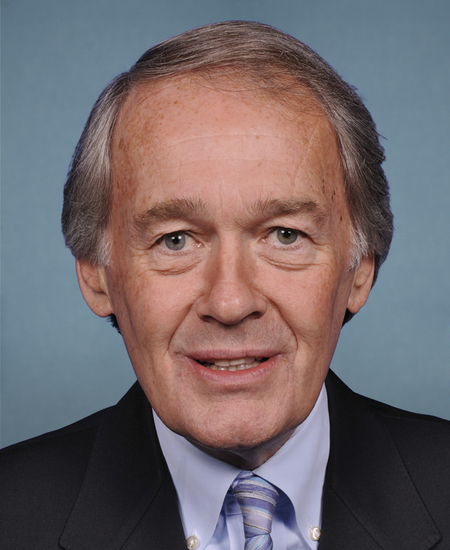
Edward J. Markey
Edward J. Markey Senate
D
Strong +
100% 3
Amy Klobuchar
Amy Klobuchar Senate
D
Strong −
0% 3
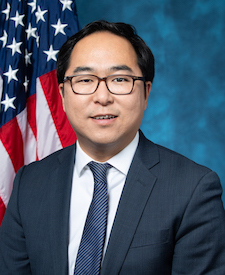
Andy Kim
Andy Kim Senate
D
Strong −
0% 3
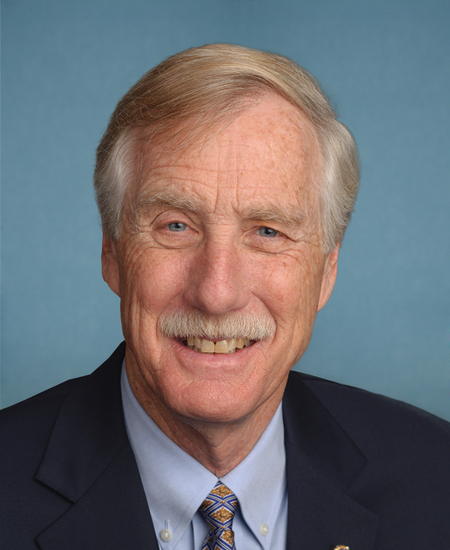
Angus S. King, Jr.
Angus S. King, Jr. Senate
I
Strong −
0% 3
Ashley Moody
Ashley Moody Senate
R
Strong −
0% 3
Ben Ray Luján
Ben Ray Luján Senate
D
Strong −
0% 3
Showing 81–90 of 123 bills

All criminal justice bills

in committee · United States · House Mar 5, 2025

HR 1856: CASE LOAD Act of 2025

The CASE LOAD Act of 2025 adds five new federal district judges to the Eastern District of California over six years (two in 2027, one in 2029, two in 2031) to address an unsustainable caseload. It directly affects the court serving approximately 8.4 million residents across 34 counties, where pending cases per judge reached 1,308 as of 2022 - over double the national average. The bill amends the judicial positions table in federal law to increase the Eastern District’s authorized judges from eight to eleven. This is a concrete staffing change aimed at reducing case backlogs, not a policy on substantive law.
Sub-Topics Courts Judges
in committee · United States · Senate Mar 25, 2025

S 1102: Quality Defense Act of 2025

The Quality Defense Act of 2025 establishes a federal grant program to improve public defense systems by requiring states and local jurisdictions to collect detailed data on caseloads, attorney work hours, and case outcomes. It provides two types of grants: data grants to help jurisdictions develop data collection systems, and hiring grants to hire more public defenders, increase compensation to match prosecutors, and provide support staff. The bill mandates collection of information on case types, client demographics, and case resolutions to inform evidence-based reforms. It also requires studies on appropriate caseload limits and compensation levels to ensure constitutional standards for legal representation are met. The legislation directly affects public defenders, panel attorneys, and defendants in state and local court systems.
Sub-Topics Courts
in committee · United States · Senate Feb 5, 2025

S 402: Words Matter for the District of Columbia Courts Act

This bill (S 402) updates outdated terminology in District of Columbia court codes to use more respectful and current language. It replaces "substantially retarded persons" and similar phrases with "persons with moderate intellectual disabilities" in three specific court sections: the U.S. District Court (§11-501(2)(D)), Superior Court (§11-921(a)(4)(D)), and Family Court (§11-1101(a)(15)). These changes directly affect how DC courts refer to individuals with intellectual disabilities in legal contexts. The bill makes concrete policy adjustments to modernize court terminology without altering legal procedures or rights.
Sub-Topics Courts
in committee · United States · House Jun 5, 2025

HR 3773: PROTECT Act of 2025

HR 3773 (PROTECT Act of 2025) amends federal law to recognize tribal courts as having authority equivalent to state courts for certain electronic evidence cases. It requires that warrants for electronic communications stored 180 days or less must follow procedures from the Indian Civil Rights Act (25 U.S.C. 1302(a)(2)) when issued by tribal courts. The bill also expands tribal jurisdiction over controlled substance offenses (like drug trafficking or possession) and firearms offenses (such as possession by domestic violence offenders) by defining these terms for tribal courts. This directly affects tribal courts and tribal law enforcement by standardizing legal procedures for evidence handling and broadening their authority under federal law. The changes align tribal court processes with federal and state standards for digital evidence and criminal jurisdiction.
Sub-Topics Civil Rights Courts Domestic Violence Tags Tribal Nations
in committee · United States · Senate Jun 26, 2025

S 1829: STOP CSAM Act of 2025

The STOP CSAM Act of 2025 strengthens protections for child victims of sexual abuse and exploitation by expanding definitions of abuse to include psychological abuse and kidnapping, and by imposing new reporting requirements on internet service providers. The bill requires providers with over 1 million monthly users to report apparent child sexual abuse material to the CyberTipline within 60 days, with penalties for noncompliance including fines up to $1 million for large providers. It creates new civil remedies allowing victims to sue providers who host or promote child pornography, and establishes protections for "covered persons" (children under 18 who are victims or witnesses) by limiting public disclosure of their personal information. The bill also enhances law enforcement's ability to investigate online child exploitation while maintaining privacy safeguards for victims.
in committee · United States · House Jun 30, 2025

HR 4252: Extreme Risk Protection Order Expansion Act of 2025

This bill creates a federal grant program to help states, tribes, and local governments implement Extreme Risk Protection Orders (ERPOs), which temporarily remove firearms from individuals who may pose a danger to themselves or others. The grants fund law enforcement training on ERPO use, development of court protocols, public awareness campaigns, and ensure ERPOs are recognized across jurisdictions. The bill also amends federal law to include ERPOs in background checks through the National Instant Criminal Background Check System and requires states to have due process protections in place, including notice and hearing requirements for ERPOs. States receiving grants must submit annual reports on ERPO usage, including demographic data and outcomes.
in committee · United States · Senate Feb 25, 2025

S 718: Eric’s Law

S 718, "Eric’s Law," changes federal jury procedures for death penalty cases where juries cannot unanimously agree on sentencing. It requires a new jury to be impaneled if the original jury fails to reach a unanimous recommendation (death, life without parole, or a lesser sentence). If the new jury also fails to agree unanimously, the court must impose a non-death sentence authorized by law. This directly affects federal defendants facing capital punishment in cases where juries deadlock on sentencing recommendations. The bill ensures that sentencing deadlocks cannot result in a death penalty outcome.
in committee · United States · House Jun 11, 2025

HR 3921: STOP CSAM Act of 2025

The STOP CSAM Act of 2025 would strengthen protections for child victims and witnesses in federal court by creating a new definition of "covered person" to include minors under 18 who are victims or witnesses of abuse, exploitation, or kidnapping. The bill requires internet service providers to report apparent child sexual exploitation to the CyberTipline within 60 days, with civil penalties of $50,000-$250,000 per violation and criminal fines up to $1 million for non-compliance. It also creates new civil remedies allowing victims to sue platforms that host or promote child sexual exploitation, with minimum $300,000 in damages. Additionally, large platforms would be required to submit annual reports to the Attorney General and FTC detailing their safety measures and child exploitation on their platforms.
in committee · United States · House Jan 9, 2025

HR 277: Matthew Lawrence Perna Act of 2025

This bill protects individuals charged with nonviolent political protests by preventing pretrial detention for such offenses (unless involving violence), requiring faster trials, and allowing lawsuits for wrongful detention. It also restricts government use of national security powers against U.S. citizens unless they act as foreign agents, mandates disclosure of surveillance investigations upon citizen request, and gives defendants in D.C. trials the right to choose their trial location. Key provisions directly affect people arrested for peaceful protest activities, aiming to limit government overreach in such cases. The bill does not change sentencing guidelines but emphasizes judges should follow standard sentencing ranges for these offenses.
in committee · United States · House Oct 8, 2025

HR 5721: Protect Our Judiciary Act of 2025

HR 5721, the Protect Our Judiciary Act of 2025, amends federal law to prohibit protests near judicial buildings. It makes it illegal to picket, parade, or use loud vehicles like sound trucks near buildings occupied by judges, jurors, witnesses, or court officers. Violators face fines or up to one year in prison. The bill directly affects individuals engaging in demonstrations near these locations, expanding existing restrictions to specifically include noise-making devices and other public demonstrations.
Showing 81 to 90 of 123 bills
Previous 1 … 8 9 10 … 13 Next