Issue · Criminal Justice

Criminal Justice

Every criminal justice bill, vote, and legislator stance in United States, automatically classified by Maddy, our AI policy reader.

Total bills
1,286
119th Congress
Top supporter
Alan Armstrong
86% support rate
Top opponent
Amy Klobuchar
13% support rate
Ranked legislators
10
5 support · 5 oppose
Key legislators

Who's moving criminal justice in United States

Legislators moving criminal justice in United States
Legislator Party Stance Support rate Decisive votes
AA
Alan Armstrong Senate
R
Strong +
86% 28
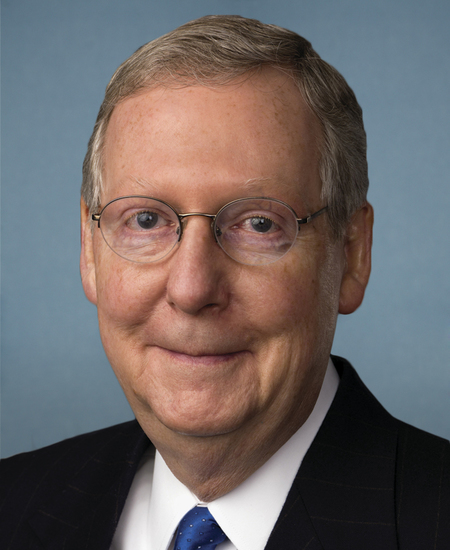
Mitch McConnell
Mitch McConnell Senate
R
Strong +
84% 31
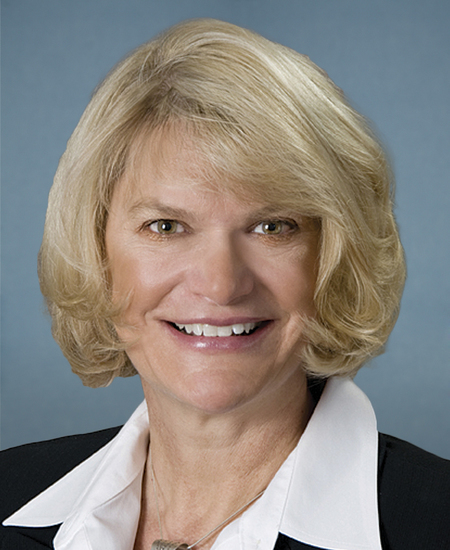
Cynthia M. Lummis
Cynthia M. Lummis Senate
R
Strong +
80% 30
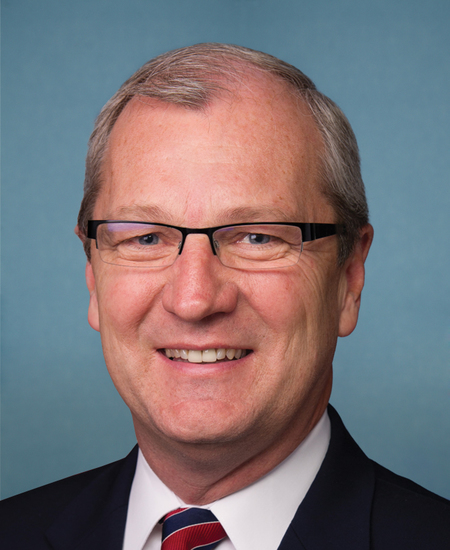
Kevin Cramer
Kevin Cramer Senate
R
Strong +
80% 30
Bernie Moreno
Bernie Moreno Senate
R
Support
77% 31
Amy Klobuchar
Amy Klobuchar Senate
D
Strong −
13% 31
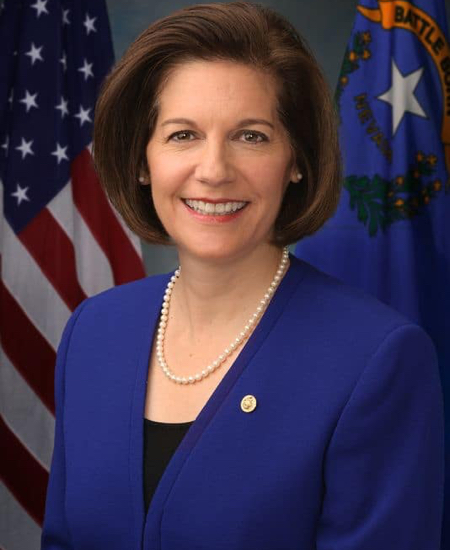
Catherine Cortez Masto
Catherine Cortez Masto Senate
D
Strong −
13% 31
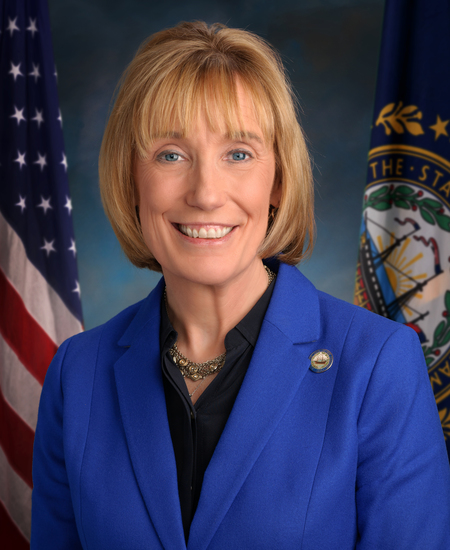
Margaret Wood Hassan
Margaret Wood Hassan Senate
D
Strong −
13% 31
Andy Kim
Andy Kim Senate
D
Strong −
16% 31
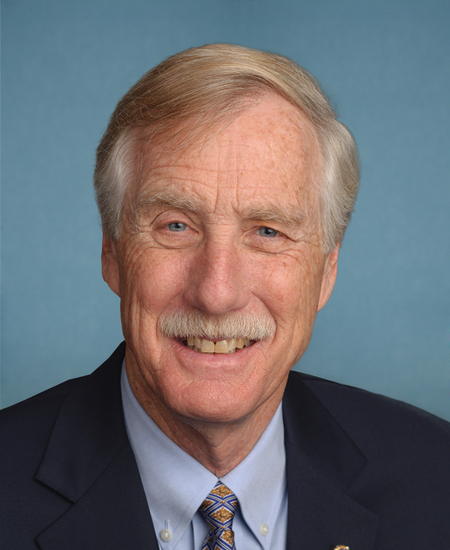
Angus S. King, Jr.
Angus S. King, Jr. Senate
I
Strong −
16% 31
Showing 221–230 of 1,286 bills

All criminal justice bills

in committee · United States · House Jun 3, 2026

HR 9131: Protecting Kids from Creeps Act

The Protecting Kids from Creeps Act prohibits surrogacy agencies, their employees, and sex offenders from participating in surrogacy agreements, directly affecting fertility clinics, staff, and individuals required to register as sex offenders. The bill mandates severe criminal penalties, including fines and prison sentences of at least 10 to 20 years, for knowingly or recklessly facilitating such agreements, while also stripping convicted agencies of their tax-exempt status and eligibility for federal grants. Any surrogacy agreement formed in violation of these rules is declared legally void and unenforceable, meaning it cannot be used to establish parental rights. In cases where a child is born from an illegal agreement, custody decisions will be made solely based on the best interests of the child under the laws of the state where the surrogate lives, ignoring any prior contracts. Additionally, the Attorney General can pursue civil penalties equal to the compensation received or offered for prohibited conduct.
Sub-Topics Corrections
in committee · United States · House Jun 12, 2026

HR 8971: Veterans Visa and Protection Act of 2026

The Veterans Visa and Protection Act of 2026 establishes a program to allow noncitizen veterans who were previously removed from or barred from entering the United States to return and obtain permanent resident status. It requires government officials to reopen and terminate removal cases for eligible veterans, provided they were not deported due to violent crimes or serious offenses involving at least five years in prison. The bill also mandates that noncitizen service members and veterans cannot be removed unless convicted of a crime of violence, while granting them access to military benefits and a streamlined path to naturalization. Additionally, the law directs immigration authorities to identify at-risk veterans, seek supervisory approval before initiating removal proceedings against them, and annotate official records with specific details about their military service.
in committee · United States · House Jun 2, 2026

HR 9096: Deport the Terrorists Act of 2026

This bill, titled the Deport the Terrorists Act of 2026, aims to remove from the United States any naturalized citizen convicted of specific terrorism-related crimes. It directly affects individuals who have already become U.S. citizens by automatically revoking their citizenship and declaring their naturalization certificates void upon conviction of offenses such as using weapons of mass destruction or providing material support to terrorists. The law also designates these individuals as deportable aliens and requires the Department of Homeland Security to prioritize their removal from the country. By amending existing immigration laws, the bill ensures that courts have the authority to cancel citizenship immediately following a conviction for these designated offenses.
in committee · United States · Senate May 21, 2026

S 4643: LEO K9 Protection Act

The LEO K9 Protection Act strengthens penalties for harming law enforcement dogs and horses used in official duties, increasing the maximum prison sentence to 15 years. It clarifies that these protections apply to animals assisting federal, state, and local agencies in tasks like crime detection, search and rescue, and military operations, while explicitly exempting individuals acting in good faith to provide emergency veterinary care. Additionally, the bill requires the Department of Transportation to create guidelines and regulations allowing emergency medical personnel to treat injured police dogs at the scene and transport them to veterinary facilities. These measures aim to ensure that injured working dogs receive timely medical attention comparable to that provided to human officers.
in committee · United States · House May 26, 2026

HR 9024: Harry Lew and Danny Chen Military Justice Reform Act

This bill directs the Secretary of Defense to study whether the military justice system needs a specific law against hazing. The Department must examine how to add a new section to the Uniform Code of Military Justice and create a clear definition for what counts as hazing. Within 180 days of passing, the Secretary must submit a report with their findings and recommendations to Congress. This action directly impacts the Department of Defense and the legislative committees overseeing military affairs.
in committee · United States · House Jul 7, 2026

HR 9109: Stop ANTIFA Act of 2026

HR 9109, the Stop ANTIFA Act of 2026, officially designates Antifa as a domestic terrorist organization and mandates that federal agencies investigate and dismantle its networks. The bill requires the National Joint Terrorism Task Force to coordinate a national strategy to prosecute crimes related to political violence, including doxing, riots, and assaults on law enforcement, while also targeting the financial supporters and funders of these groups. Additionally, the Act directs the Department of Justice to prioritize investigations into specific violent offenses and instructs the Treasury and IRS to disrupt funding streams and revoke tax-exempt status for entities supporting domestic terrorism.
Sub-Topics Law Enforcement
in committee · United States · House Sep 8, 2026

HR 9098: Congressional Records Protection Act of 2026

This bill, known as the Congressional Records Protection Act, aims to shield the personal and official communications of Members of Congress and their employees from government searches and subpoenas. It directly affects federal, state, and local law enforcement agencies by prohibiting them from obtaining records related to these individuals unless the person is the specific target of a criminal investigation. Under the new rules, agencies must notify the affected Member or employee before searching their records, except in urgent cases where notice could endanger lives or destroy evidence. Additionally, any materials found during a search that belong to a protected individual cannot be reviewed for 30 days to ensure they are not accessed without proper oversight.
Sub-Topics Law Enforcement
in committee · United States · House May 29, 2026

HR 9069: KIDS Act

The KIDS Act restricts U.S. immigration authorities from detaining children, individuals with cognitive disabilities, and their primary caregivers, with limited exceptions for criminal warrants. It also prohibits law enforcement from conducting immigration actions within 1,000 feet of sensitive locations such as schools, hospitals, places of worship, and disaster relief sites. If a violation occurs, the bill mandates the immediate release of wrongfully detained individuals and bars the use of information gathered during illegal enforcement actions in future court cases. Additionally, the law requires that any necessary detentions be reported to Congress within 24 hours and prioritizes placing children with parents or designated guardians.
in committee · United States · House May 26, 2026

HR 9043: Sex Trafficking Demand Reduction Act

This bill, known as the Sex Trafficking Demand Reduction Act, modifies how the United States evaluates foreign countries' efforts to combat human trafficking. It requires these nations to demonstrate serious and sustained actions, such as banning the purchase of commercial sex acts, educating buyers about exploitation, and reducing international sex tourism. These new criteria will be used in future annual reports to determine whether a country meets the minimum standards for eliminating trafficking. Consequently, the bill directly affects how the U.S. government assesses and categorizes the anti-trafficking progress of other nations.
Sub-Topics Human Trafficking
passed · United States · House Sep 16, 2026

HR 8775: Ending Predator Access to Union Power Act

The Ending Predator Access to Union Power Act prohibits individuals convicted of certain sex offenses against minors from holding office in labor unions. This change expands the list of disqualifying crimes under the Labor-Management Reporting and Disclosure Act of 1959 to include these specific offenses. The bill takes effect 30 days after it is signed into law.
Showing 221 to 230 of 1,286 bills
Previous 1 … 22 23 24 … 129 Next