Issue · Criminal Justice

Criminal Justice (Firearms)

Every criminal justice bill, vote, and legislator stance in United States, automatically classified by Maddy, our AI policy reader.

Total bills
28
119th Congress
Top supporter
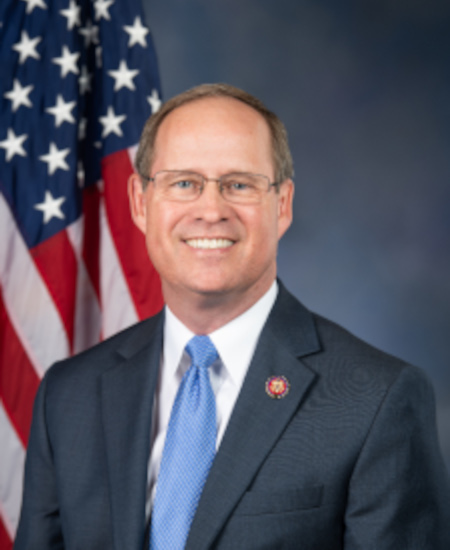
Gregory F. Murphy
75% support rate
Top opponent
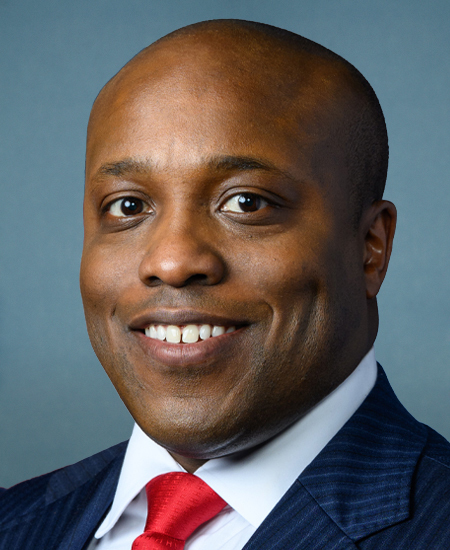
Bennie G. Thompson
20% support rate
Ranked legislators
10
5 support · 5 oppose
Key legislators

Who's moving firearms in United States

Legislators moving firearms in United States
Legislator Party Stance Support rate Decisive votes
Gregory F. Murphy
Gregory F. Murphy House · District 3
R
Support
75% 4
Mike Johnson
Mike Johnson House · District 4
R
Support
75% 4
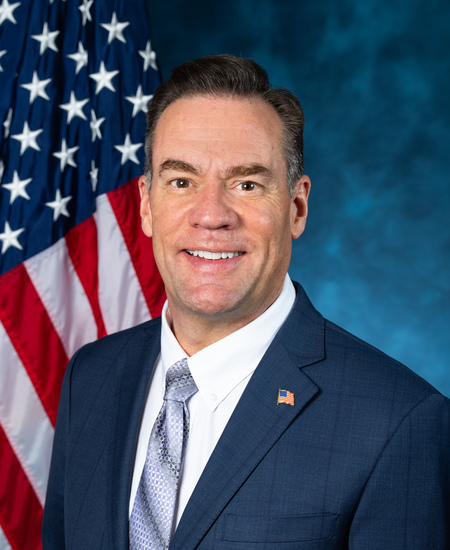
Russ Fulcher
Russ Fulcher House · District 1
R
Support
75% 4
Wesley Hunt
Wesley Hunt House · District 38
R
Support
75% 4
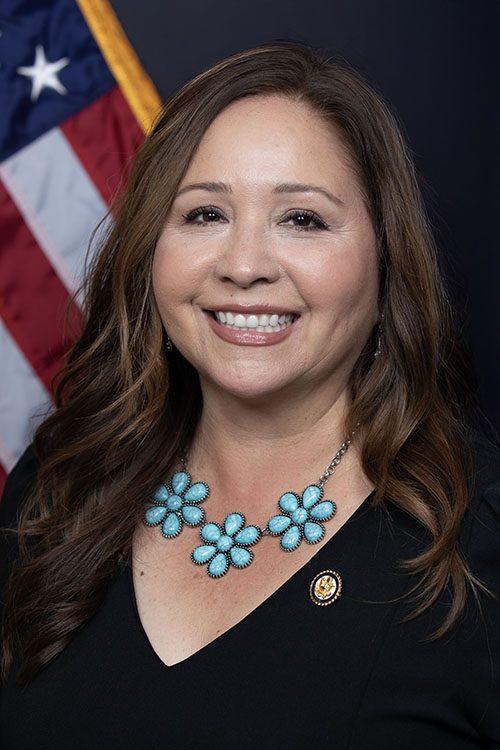
Adelita S. Grijalva
Adelita S. Grijalva House · District 7
D
Support
67% 3
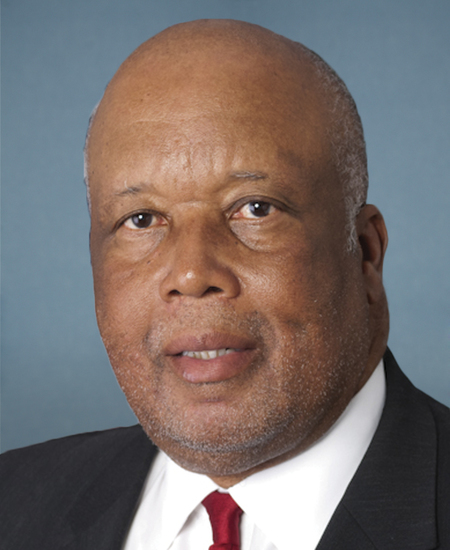
Bennie G. Thompson
Bennie G. Thompson House · District 2
D
Strong −
20% 5
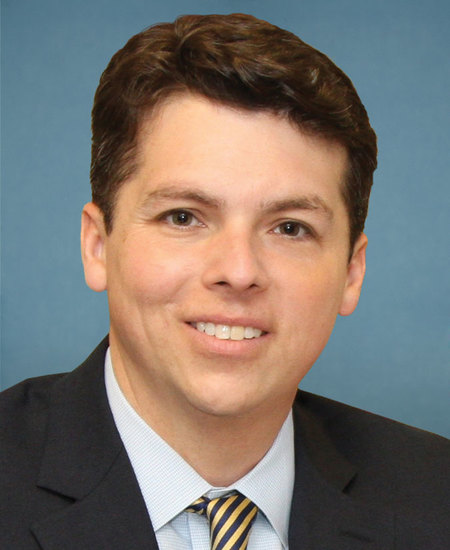
Brendan F. Boyle
Brendan F. Boyle House · District 2
D
Strong −
20% 5
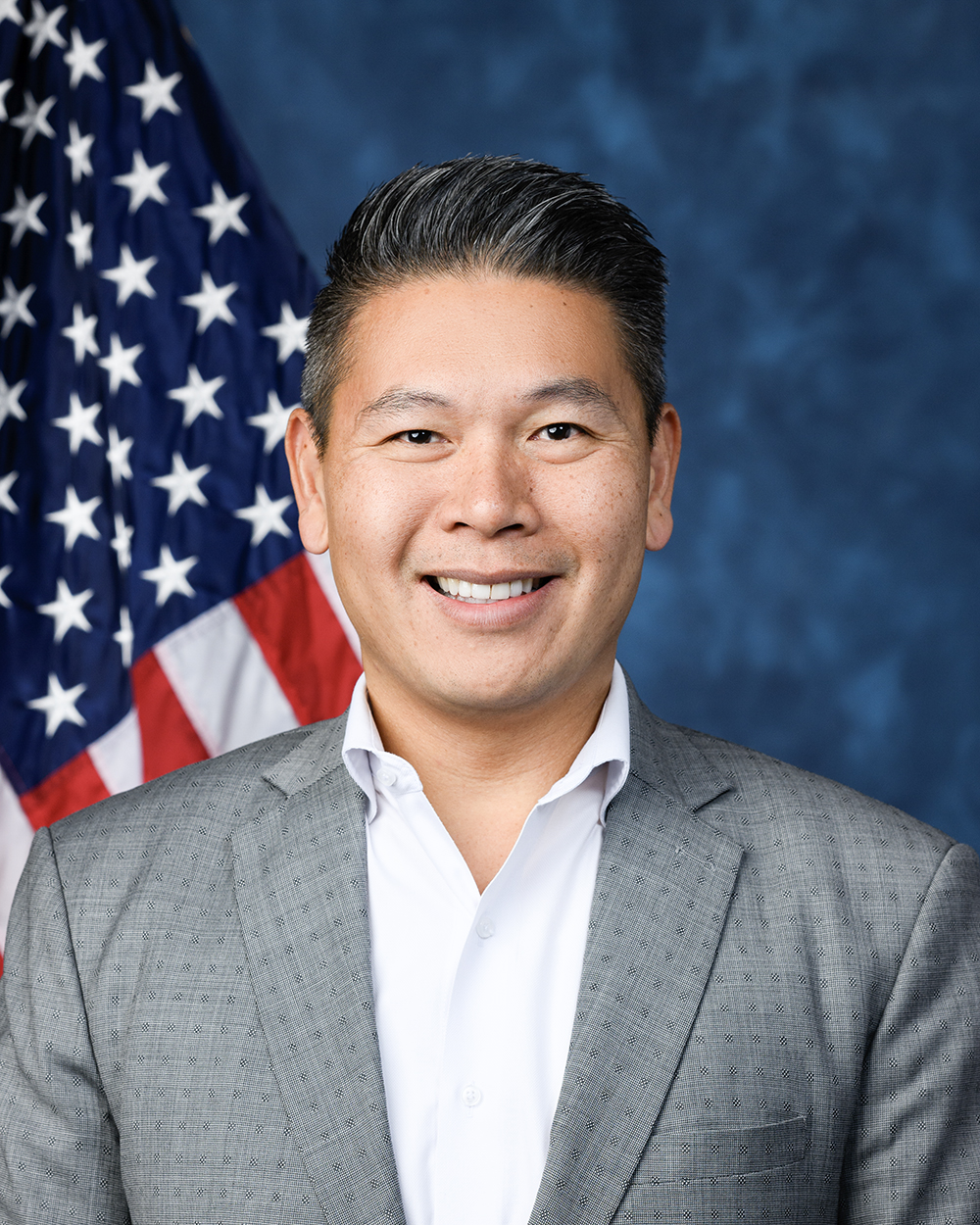
Derek Tran
Derek Tran House · District 45
D
Strong −
20% 5
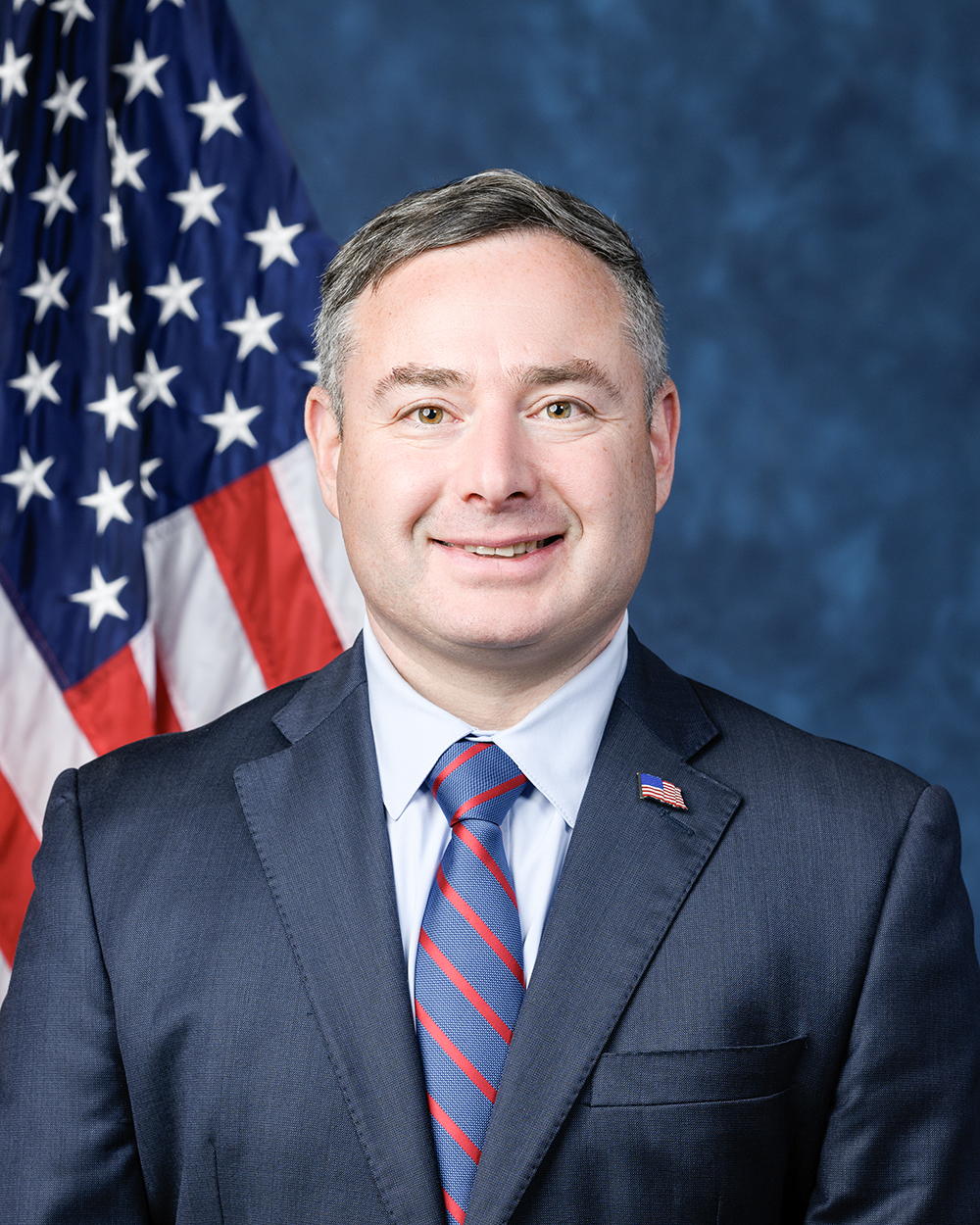
Eugene Simon Vindman
Eugene Simon Vindman House · District 7
D
Strong −
20% 5
Greg Landsman
Greg Landsman House · District 1
D
Strong −
20% 5
Showing 11–20 of 28 bills

All criminal justice bills

in committee · United States · Senate Mar 27, 2025

S 1162: SHORT Act

The SHORT Act redefines firearm classifications under federal law to remove certain restrictions on short-barreled rifles and shotguns. It eliminates special prohibitions for these weapons when used lawfully, preempts state taxes or registration requirements for them, and requires federal destruction of historical records related to these firearms. The bill directly affects owners of short-barreled rifles and shotguns, as well as state governments that previously imposed separate regulations. Key provisions include revising IRS definitions to exclude shotgun shells from "destructive devices," mandating record destruction within one year of enactment, and blocking state laws targeting these weapons in interstate commerce. These changes aim to standardize federal treatment while removing duplicative state-level barriers.
Sub-Topics Firearms
in committee · United States · Senate Dec 11, 2025

S 3458: Background Check Completion Act of 2025

This bill amends federal law to remove a specific deadline for completing background checks on firearm purchases. It deletes the requirement that background checks must be completed within 10 business days, as previously established under the Brady Handgun Violence Prevention Act. The change directly affects firearm sellers (such as licensed dealers) who conduct these checks, removing a strict timeline for completing the process. The bill focuses on technical adjustments to existing background check procedures without altering the underlying requirements for the checks themselves.
Sub-Topics Firearms
in committee · United States · House Nov 12, 2025

HR 6035: Second Amendment Restoration Act of 2025

HR 6035, the Second Amendment Restoration Act of 2025, would repeal specific firearm-related provisions from the Bipartisan Safer Communities Act (2022), including rules on background checks and gun sales, and restore federal gun laws as they existed before that law was enacted. It also reverses an education-related provision affecting school safety grants under the Elementary and Secondary Education Act. The bill directly affects federal regulations governing gun ownership and school safety funding by reverting to pre-2022 legal standards. It does not create new gun laws but undoes specific changes made by the 2022 law.
Sub-Topics Firearms School Safety
in committee · United States · House Jan 3, 2025

HR 129: Abolish the ATF Act

This bill, HR 129 (Abolish the ATF Act), directly abolishes the Bureau of Alcohol, Tobacco, Firearms and Explosives (ATF), a federal agency responsible for regulating firearms, explosives, and tobacco products. The key provision is a simple, explicit mandate to end the ATF's existence as a government entity. This procedural bill does not specify what would replace the ATF's functions or how regulatory responsibilities would be handled, focusing solely on eliminating the agency itself. The bill affects the federal government structure by removing a specific regulatory body.
Sub-Topics Firearms
passed · United States · House Feb 24, 2026

HR 2189: To modernize Federal firearms laws to account for advancements in technology and less-than-lethal weapons, and for other purposes.

Law-Enforcement Innovate to De-Escalate Act This bill removes less-than-lethal projectile devices (e.g., certain TASERs) from regulation under the Gun Control Act. The term less-than-lethal projectile device means a device that (1) is not designed or intended to expel (and may not be readily converted to discharge) commonly used ammunition or projectiles exceeding a velocity of 500 feet per second; (2) is designed and intended to be used in a manner not likely to cause death or serious bodily injury; and (3) does not accept (and cannot be readily modified to accept) an ammunition feeding device. The bill also requires the Bureau of Alcohol, Tobacco, Firearms and Explosives to determine whether a device satisfies the definition of a less-than-lethal projectile device within 90 days of a request.
Sub-Topics Firearms
in committee · United States · House Aug 15, 2025

HR 4991: Disarming Felons Act

HR 4991, the Disarming Felons Act, prohibits the sale or transfer of firearms to, and possession of firearms by, adults who committed an act as a juvenile (aged 15-17) that would have been a felony if committed as an adult. The bill amends existing federal law (18 U.S.C. §§ 922(d) and 922(g)) to add this new category to the list of prohibited firearm transactions and possession. It directly affects individuals who were juveniles at the time of a serious offense but are now adults, restricting their access to firearms. The law creates a specific legal barrier to firearm access based on the severity of a juvenile offense, without altering penalties for the offense itself.
in committee · United States · House Jan 7, 2025

HR 223: Preventing Unjust Red Flag Laws Act of 2025

This bill (HR 223) prohibits federal funding for implementing or enforcing "red flag laws," which allow courts to temporarily remove firearms from individuals without proper court review. It blocks all federal money from being used by any federal agency or to assist state/local governments in carrying out these laws. The bill does not ban red flag laws themselves but prevents federal financial support for their enforcement.
in committee · United States · House Aug 29, 2025

HR 5066: Safe Students Act

This bill repeals the Gun-Free School Zones Act of 1990 and makes technical amendments to Title 18 of the U.S. Code, specifically removing references to school zones in firearm offense provisions. It revises sections governing firearm restrictions (Section 922), definitions (Section 921), and penalties (Section 924) by renumbering and deleting specific paragraphs related to the repealed law. The bill directly affects federal firearm law enforcement and legal interpretations concerning school zones, but does not create new restrictions or protections. As a procedural repeal, it removes outdated language without altering current firearm regulations.
in committee · United States · Senate May 7, 2025

S 1652: Protecting Communities and Preserving the Second Amendment Act of 2025

The Protecting Communities and Preserving the Second Amendment Act of 2025 improves the National Instant Criminal Background Check System (NICS) by requiring federal agencies to share mental health records and implementing accountability measures for grant recipients. It increases penalties for illegal firearm purchases, establishes new programs to prosecute gun violence in high-violence jurisdictions (including a "Nationwide Project Exile Expansion"), and creates regional task forces to combat firearms trafficking. The bill clarifies definitions related to mental health restrictions on firearm possession and modifies rules for interstate transportation of firearms under certain conditions. It also mandates a study on the causes of mass shootings and requires reports on ammunition purchases by federal agencies.
Sub-Topics Drug Policy Firearms
in committee · United States · House Mar 3, 2025

HR 1773: Federal Firearms Licensee Protection Act of 2025

Federal Firearms Licensee Protection Act of 2025 This bill modifies criminal penalties for an offense involving the theft of a firearm from a licensed importer, manufacturer, or dealer, or from their business premises. Specifically, the bill does the following: increases from 10 to 20 years the maximum prison term, and creates a 3- or 5-year mandatory minimum prison term for an offense that occurs during the commission of a burglary or robbery. An attempt to commit an offense is subject to the same penalties as a substantive offense.
Showing 11 to 20 of 28 bills