Issue · Criminal Justice

Criminal Justice

Every criminal justice bill, vote, and legislator stance in United States, automatically classified by Maddy, our AI policy reader.

Total bills
1,255
119th Congress
Top supporter
Alan Armstrong
86% support rate
Top opponent
Amy Klobuchar
13% support rate
Ranked legislators
10
5 support · 5 oppose
Key legislators

Who's moving criminal justice in United States

Legislators moving criminal justice in United States
Legislator Party Stance Support rate Votes
AA
Alan Armstrong Senate
R
Strong +
86% 44
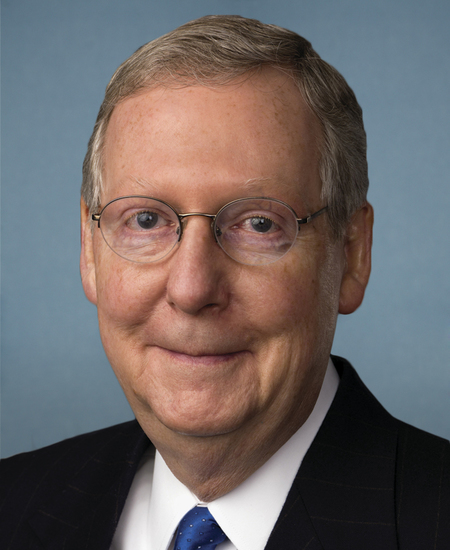
Mitch McConnell
Mitch McConnell Senate
R
Strong +
84% 160
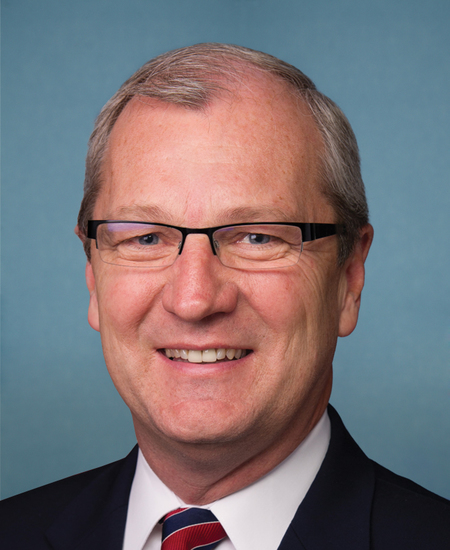
Kevin Cramer
Kevin Cramer Senate
R
Strong +
80% 169
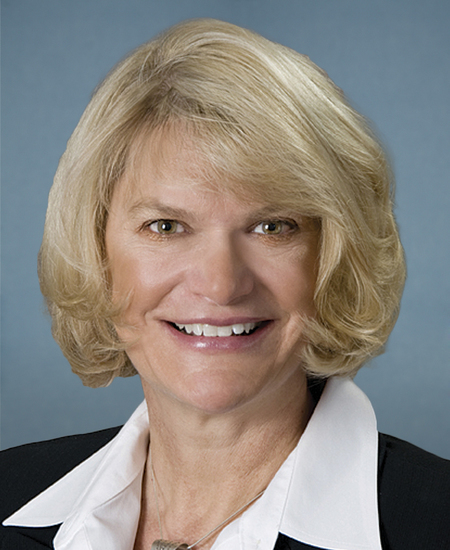
Cynthia M. Lummis
Cynthia M. Lummis Senate
R
Strong +
80% 167
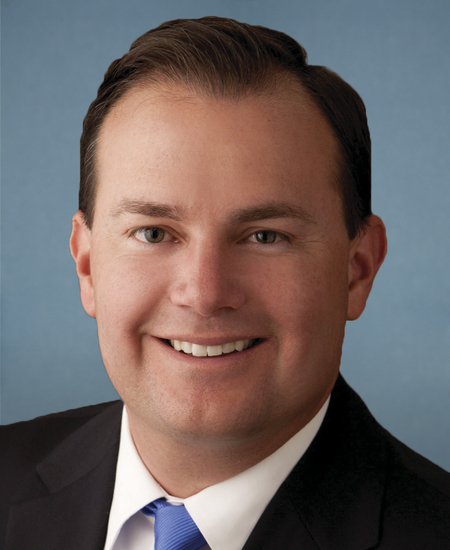
Mike Lee
Mike Lee Senate
R
Support
77% 170
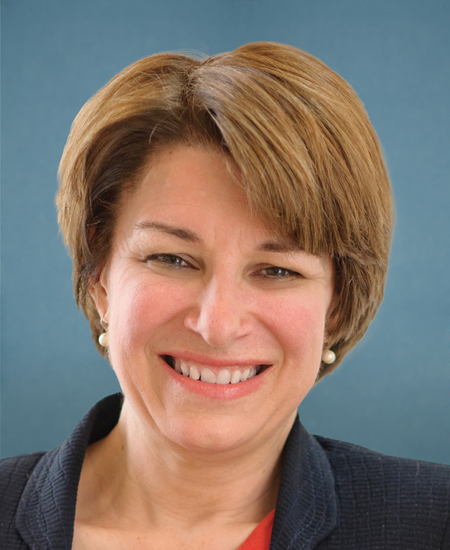
Amy Klobuchar
Amy Klobuchar Senate
D
Strong −
13% 169
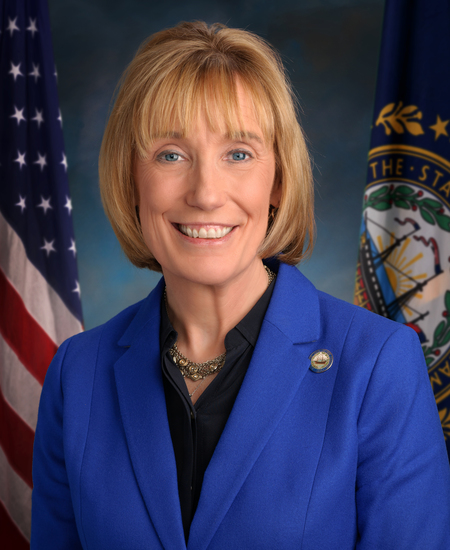
Margaret Wood Hassan
Margaret Wood Hassan Senate
D
Strong −
13% 169
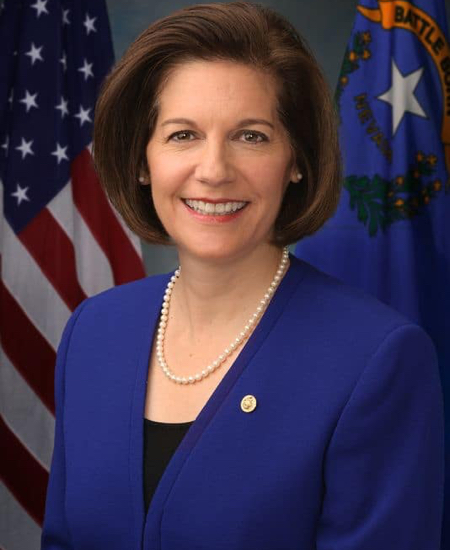
Catherine Cortez Masto
Catherine Cortez Masto Senate
D
Strong −
13% 162
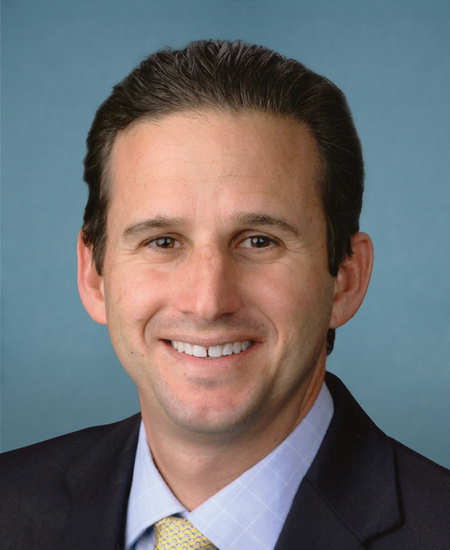
Brian Schatz
Brian Schatz Senate
D
Strong −
16% 171
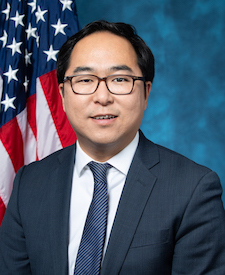
Andy Kim
Andy Kim Senate
D
Strong −
16% 171
Showing 1,241–1,250 of 1,255 bills

All criminal justice bills

in committee · United States · Senate Jan 21, 2025

S 167: Protect and Serve Act of 2025

S 167, the "Protect and Serve Act of 2025," creates new federal criminal penalties for individuals who assault law enforcement officers causing serious injury or attempt to do so under specific circumstances. It directly affects law enforcement officers (including federal, state, and local officers) and those who commit violent acts against them. Key provisions include enhanced penalties (up to life in prison if death or kidnapping occurs) when the crime involves crossing state lines, using interstate commerce, weapons that traveled across state lines, or interfering with the officer's duties. Federal prosecution requires certification from the Attorney General or designee, ensuring states are notified or have declined jurisdiction before federal action. The bill aims to strengthen federal authority to prosecute such offenses when they impact interstate commerce or involve federal officers.
in committee · United States · House Jul 23, 2025

HR 4724: Corporate Crime Database Act of 2025

The Corporate Crime Database Act of 2025 requires the Bureau of Justice Statistics to create a public database tracking federal enforcement actions related to corporate crimes. Federal agencies must submit data on corporate offenses - such as violations committed by businesses or employees acting in their job roles - and include details like the business involved, the offense type, relevant laws, enforcement agency, and outcome. The database will be searchable online, updated annually, and include historical and future enforcement actions. This affects federal agencies that handle enforcement and makes corporate crime data accessible to the public for transparency.
Tags Data Reporting
in committee · United States · House Feb 25, 2025

HR 1551: Protect and Serve Act of 2025

HR 1551, the Protect and Serve Act of 2025, creates a new federal criminal offense for intentionally harming law enforcement officers under specific circumstances. It imposes harsher penalties, including up to 10 years in prison for serious injury or life imprisonment if death occurs, kidnapping is involved, or a firearm is used. The law applies when the crime crosses state lines, involves interstate weapons, occurs on federal property, or targets federal officers. Prosecutions require the Attorney General’s written certification, considering factors like prior state convictions and public safety impact. The bill directly affects law enforcement officers and federal prosecutors by expanding federal jurisdiction for certain violent crimes against them.
in committee · United States · House May 7, 2025

HRES 395: Establishing a "Bill of Rights" to support United States law enforcement personnel nationwide in their work to protect our communities.

HRES 395 is a non-binding resolution (not a law) that establishes a symbolic "Bill of Rights" for U.S. law enforcement officers during internal investigations into alleged misconduct. It outlines specific procedural protections, including the right to have legal counsel present during interviews, the right to know investigation details in advance, protection from offensive language or threats during questioning, and the right to not face discipline for invoking the Fifth Amendment. The resolution aims to support officers by ensuring fair investigation processes while condemning calls to defund or dismantle police departments. It does not create new legal rights or change existing laws but encourages states to adopt similar protections for officers.
in committee · United States · House Feb 13, 2026

HR 7575: Prohibiting Political Prosecutions Act of 2026

The Prohibiting Political Prosecutions Act of 2026 prohibits federal prosecutors and investigators from using a person's political views, activities, or associations to decide whether to bring criminal charges or investigations. It requires all criminal complaints, indictments, and warrants to include an attestation that the case wasn't motivated by political reasons and that evidence meets the trial standard, while allowing victims to sue officials for damages if prosecuted politically. The bill also mandates that grand juries be informed of exculpatory evidence and impeachment information, and bans the White House from directing individual criminal cases. These changes aim to prevent politically motivated prosecutions by adding transparency, accountability, and civil remedies.
in committee · United States · House Nov 20, 2025

HR 6175: End Cashless Bail to Protect Americans Act of 2025

This bill would withhold federal funding from states and local governments that permit pre-trial release without requiring money, such as release on personal recognizance or unsecured bonds. Within 30 days of enactment, the Attorney General must identify these jurisdictions and notify federal agencies, which would then terminate funding for covered grant programs within 90 days. Covered programs include crime control grants (like the Byrne Justice Assistance Grant), victim services, legal aid, and education support for incarcerated students. Funding would be restored within 180 days if a jurisdiction stops allowing such release.
in committee · United States · House Jul 16, 2025

HR 4468: Federal Interviews Reform Act

HR 4468, the Federal Interviews Reform Act, requires U.S. Department of Justice (DOJ) officers to electronically record all interviews with people suspected of federal crimes during investigations - whether the person is in custody or not, and even if they're abroad. This applies to interviews related to federal offenses or joint investigations with state/local agencies, but excludes communications with confidential informants. Unrecorded statements cannot be used as evidence in federal court, and recordings must be kept for 10 years (or indefinitely if related to a capital case). The law aims to increase transparency in federal law enforcement interviews without requiring consent from the person being interviewed.
Sub-Topics Courts Law Enforcement
passed · United States · Senate Jul 29, 2026

SRES 608: A resolution expressing the sense of the Senate that Ghislaine Maxwell should not be granted a Presidential pardon or any form of clemency for her crimes with Jeffrey Epstein relating to the sexual exploitation and abuse of minors.

SRES 608 is a non-binding Senate resolution expressing the Senate's position that President should not grant Ghislaine Maxwell a pardon or other clemency. It directly addresses the President’s authority regarding clemency for Maxwell, who was convicted in 2021 for conspiring with Jeffrey Epstein to sexually exploit minors. The resolution cites her 20-year prison sentence for crimes including trafficking minors and enabling abuse, stating that granting clemency would undermine justice for victims. As a sense-of-the-Senate resolution, it has no legal effect but formally opposes clemency for Maxwell’s crimes.
in committee · United States · Senate Feb 6, 2025

SJRES 17: A joint resolution providing for congressional disapproval under chapter 8 of title 5, United States Code, of the rule submitted by the Forest Service of the Department of Agriculture relating to "Law Enforcement; Criminal Prohibitions".

This joint resolution (SJRES 17) seeks to block a specific rule issued by the U.S. Forest Service under the Department of Agriculture. The rule, published in the Federal Register on November 25, 2024, established new criminal prohibitions related to law enforcement activities on federal lands. If passed, this resolution would formally disapprove the rule under Chapter 8 of Title 5, U.S. Code, making the rule legally ineffective and preventing it from taking effect. The resolution directly affects the Forest Service's ability to enforce this particular criminal prohibition rule.
Sub-Topics Law Enforcement
in committee · United States · Senate Dec 4, 2025

S 3366: Back the Blue Act of 2025

The Back the Blue Act of 2025 creates new federal criminal offenses for killing or assaulting law enforcement officers, judges, and certain public safety personnel (including firefighters and first responders) while they are on duty or because of their official status. It increases penalties for these crimes, including minimum 10-year prison terms for killing officers and longer sentences for assaults causing serious injury, with the death penalty possible for killings. The bill also adds a "flight to avoid prosecution" provision for those fleeing to evade charges for killing officers, expands law enforcement officers' rights to carry firearms in certain circumstances, and limits federal habeas corpus relief for individuals convicted of killing law enforcement officers. This legislation directly affects law enforcement officers, judges, and public safety personnel, as well as individuals who commit violence against them.
Showing 1,241 to 1,250 of 1,255 bills