Issue · Criminal Justice

Criminal Justice (Drug Policy)

Every criminal justice bill, vote, and legislator stance in United States, automatically classified by Maddy, our AI policy reader.

Total bills
118
119th Congress
Top supporter
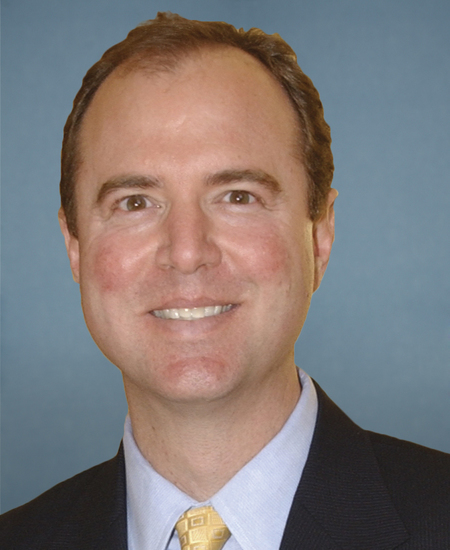
Adam B. Schiff
100% support rate
Top opponent
Amy Klobuchar
0% support rate
Ranked legislators
10
5 support · 5 oppose
Key legislators

Who's moving drug policy in United States

Legislators moving drug policy in United States
Legislator Party Stance Support rate Votes
Adam B. Schiff
Adam B. Schiff Senate
D
Strong +
100% 3
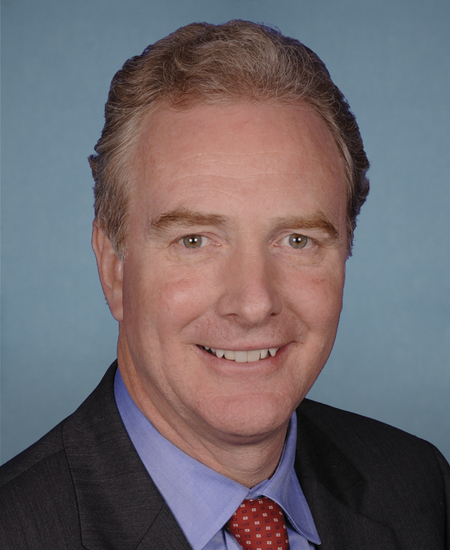
Chris Van Hollen
Chris Van Hollen Senate
D
Strong +
100% 3
Christopher Murphy
Christopher Murphy Senate
D
Strong +
100% 3
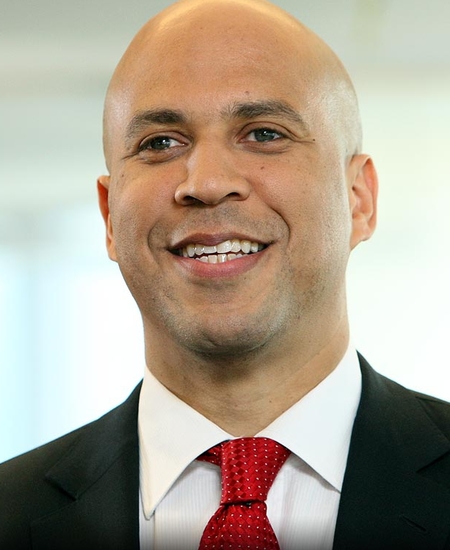
Cory A. Booker
Cory A. Booker Senate
D
Strong +
100% 3
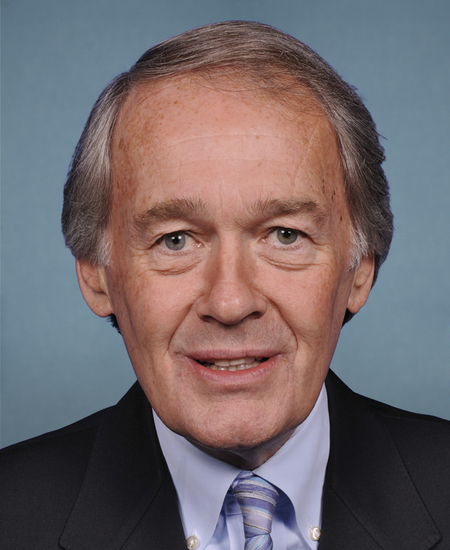
Edward J. Markey
Edward J. Markey Senate
D
Strong +
100% 3
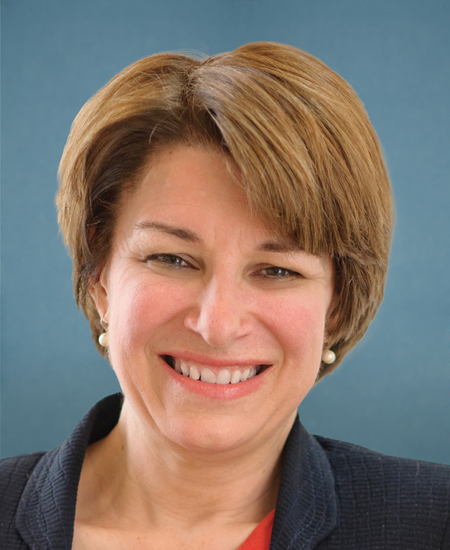
Amy Klobuchar
Amy Klobuchar Senate
D
Strong −
0% 3
Andrea Salinas
Andrea Salinas House · District 6
D
Strong −
0% 3
Andy Kim
Andy Kim Senate
D
Strong −
0% 3
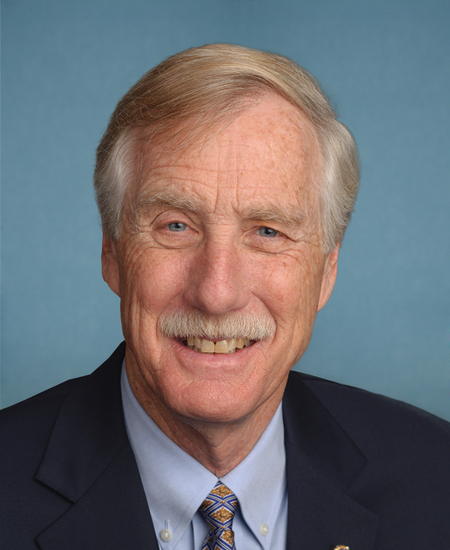
Angus S. King, Jr.
Angus S. King, Jr. Senate
I
Strong −
0% 3
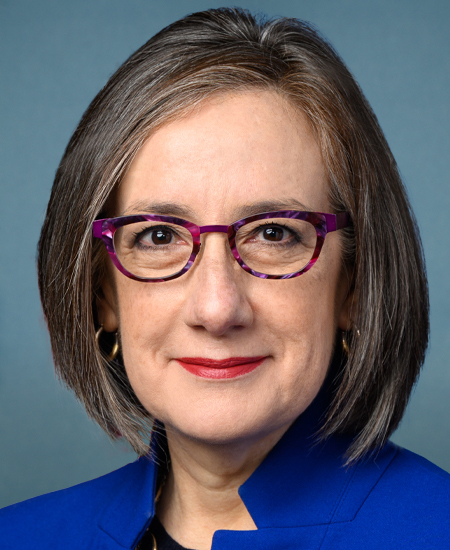
April McClain Delaney
April McClain Delaney House · District 6
D
Strong −
0% 3
Showing 111–118 of 118 bills

All criminal justice bills

in committee · United States · Senate Jun 5, 2025

S 1975: Dark Web Interdiction Act of 2025

The Dark Web Interdiction Act of 2025 creates a new federal task force within the FBI to target drug trafficking and illegal marketplaces operating on the dark web. It directly affects law enforcement agencies (including the FBI, DEA, and Homeland Security) by requiring them to investigate, disrupt, and dismantle dark web marketplaces selling drugs, weapons, and stolen data. Key provisions include establishing the Joint Criminal Opioid and Darknet Enforcement Task Force, mandating specialized training for investigators on dark web evidence collection, and requiring annual reports on task force activities and virtual currency use in illicit transactions. The bill amends the Controlled Substances Act to explicitly prohibit distributing controlled substances via the dark web, with enhanced penalties for violations.
in committee · United States · Senate Feb 4, 2026

S 3779: ICE Out of Our Faces Act

The ICE Out of Our Faces Act prohibits U.S. Immigration and Customs Enforcement (ICE) and U.S. Customs and Border Protection (CBP) officers from using facial recognition, voice recognition, or other biometric surveillance technology for immigration enforcement. It directly affects ICE, CBP, and 287(g) deputized officers by banning their acquisition, possession, or use of such technology in the U.S. The bill requires immediate deletion of all existing biometric data collected by these officers within 30 days and makes evidence obtained in violation inadmissible in court. Violations could lead to lawsuits by affected individuals or state attorneys general, with possible damages, penalties, or injunctive relief.
in committee · United States · Senate May 1, 2025

S 1580: Clean Slate Act of 2025

The Clean Slate Act of 2025 provides two pathways to seal certain criminal records. It automatically seals records of individuals arrested but not convicted for federal offenses after 180 days, and seals records of those convicted of specific marijuana offenses after completing their sentences. For other nonviolent offenses, individuals can petition courts for record sealing after completing sentences, with courts weighing rehabilitation against public safety concerns. Sealed records cannot be used in most background checks, though law enforcement and security positions may access them, and employers hiring individuals with sealed records are protected from liability for related misconduct.
in committee · United States · House Apr 7, 2025

HR 2668: DART Act of 2025

HR 2668, the DART Act of 2025, expands federal funding under the Edward Byrne Memorial Justice Assistance Grant (JAG) program to support state and local diversion and rehabilitation programs instead of incarceration. It allows JAG funds to cover pre-arrest diversion, specialty courts, and post-release rehabilitation services, directly affecting local justice systems and individuals facing the criminal justice system. The bill creates a National Diversion and Rehabilitation Clearinghouse to share evidence-based practices, provide technical assistance, and promote trauma-informed approaches. These changes aim to reduce recidivism by addressing root causes like addiction and mental health, shifting focus from incarceration to treatment and community-based solutions.
in committee · United States · Senate Nov 19, 2025

S 3214: Background Check Expansion Act

The Background Check Expansion Act requires most private firearm transfers between unlicensed individuals to go through a licensed dealer, who must conduct a background check as if the dealer were selling the firearm. Exceptions include transfers between close family members (like parents and children), law enforcement, temporary safety-related transfers (e.g., preventing domestic violence), and transfers for hunting or target shooting with specific safeguards. Licensed dealers must provide a notice about the background check requirement and have the buyer sign a certification form. The bill does not create a national gun registry and preserves states' authority to enact stricter firearm laws. It takes effect 180 days after enactment.
in committee · United States · Senate Sep 4, 2025

S 2723: Treatment Court, Rehabilitation, and Recovery Act of 2025

The Treatment Court, Rehabilitation, and Recovery Act of 2025 creates a federal grant program to fund specialized courts addressing substance use disorders. It provides funding for juvenile drug courts, family treatment courts, tribal healing courts, impaired driving courts, and adult drug courts that meet national standards. The bill requires evidence-based treatment - including medication-assisted treatment - and prohibits discrimination based on race, gender, or other protected characteristics. Eligible participants must have a diagnosed substance use disorder, meet safety criteria, and demonstrate potential benefit from the program, with costs based on ability to pay. The program mandates annual reporting on outcomes and ensures grants cover up to 75% of program costs, administered through the Department of Justice.
in committee · United States · Senate Jan 27, 2025

S 263: FAIR Act of 2025

The FAIR Act of 2025 would reform civil forfeiture laws by requiring all property forfeitures to proceed through judicial process rather than administrative decisions, eliminating nonjudicial forfeitures entirely. The bill would change the burden of proof required for forfeiture from "preponderance of evidence" to "clear and convincing evidence" in most cases, and would reduce the government's timeframe to identify property owners from 60 to 7 days after seizure. It would also require courts to consider factors like the seriousness of the offense, the property's connection to the crime, and hardship to the owner when determining forfeiture. This legislation would apply to all pending and future civil forfeiture cases starting from its enactment date.
in committee · United States · House Dec 4, 2025

HRES 926: RESPECT Resolution

HRES 926, the RESPECT Resolution, is a non-binding House resolution urging states to adopt equity-focused cannabis policies. It recommends specific actions to address racial disparities, including eliminating criminal penalties for cannabis possession, creating fairer business licensing (prioritizing communities harmed by past enforcement), automatically expunging cannabis convictions, and reinvesting tax revenue in affected communities. The resolution also calls for the U.S. to advocate at the United Nations for cannabis descheduling from international drug treaties. It directly affects states, localities, and communities disproportionately impacted by cannabis prohibition, particularly communities of color.
Sub-Topics Revenue Drug Policy
Showing 111 to 118 of 118 bills
Previous 1 10 11 12