Issue · Criminal Justice

Criminal Justice

Every criminal justice bill, vote, and legislator stance in United States, automatically classified by Maddy, our AI policy reader.

Total bills
1,286
119th Congress
Top supporter
Alan Armstrong
86% support rate
Top opponent
Amy Klobuchar
13% support rate
Ranked legislators
10
5 support · 5 oppose
Key legislators

Who's moving criminal justice in United States

Legislators moving criminal justice in United States
Legislator Party Stance Support rate Decisive votes
AA
Alan Armstrong Senate
R
Strong +
86% 28
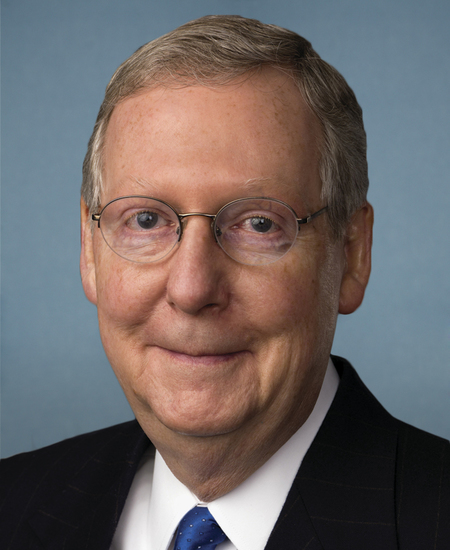
Mitch McConnell
Mitch McConnell Senate
R
Strong +
84% 31
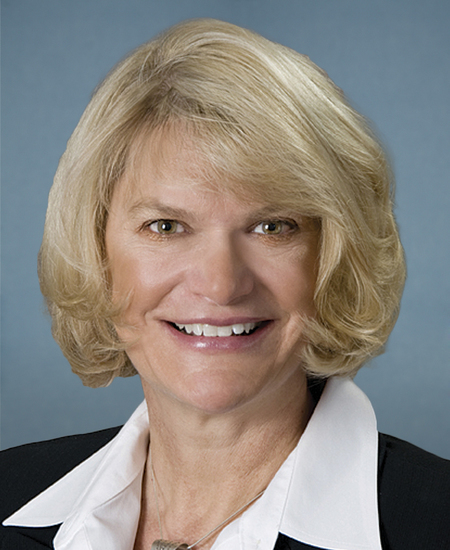
Cynthia M. Lummis
Cynthia M. Lummis Senate
R
Strong +
80% 30
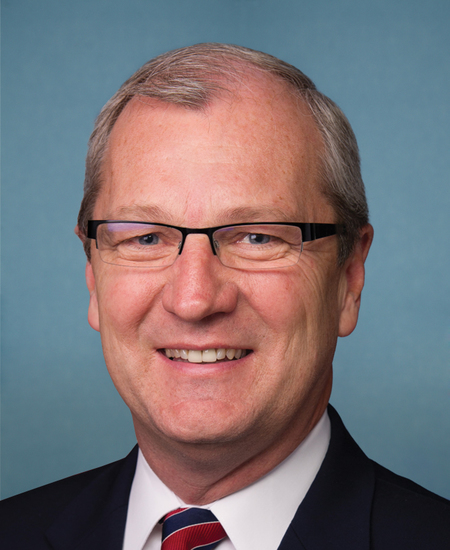
Kevin Cramer
Kevin Cramer Senate
R
Strong +
80% 30
Bernie Moreno
Bernie Moreno Senate
R
Support
77% 31
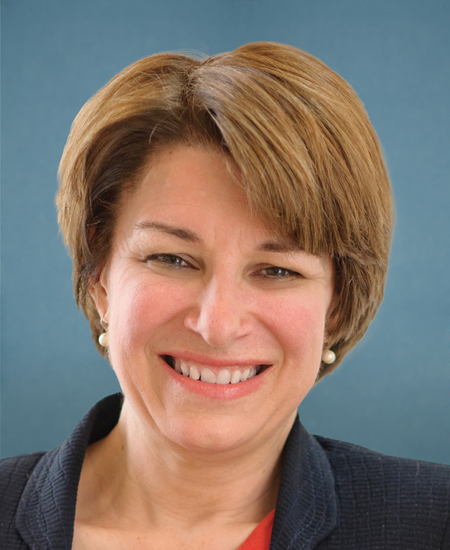
Amy Klobuchar
Amy Klobuchar Senate
D
Strong −
13% 31
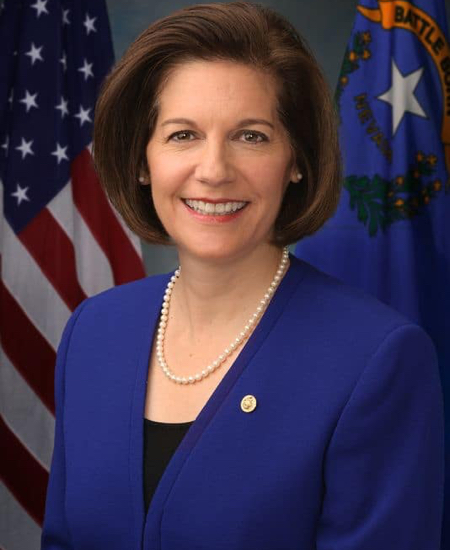
Catherine Cortez Masto
Catherine Cortez Masto Senate
D
Strong −
13% 31
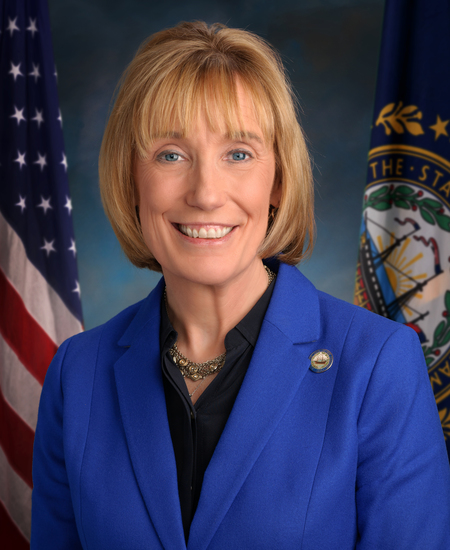
Margaret Wood Hassan
Margaret Wood Hassan Senate
D
Strong −
13% 31
Andy Kim
Andy Kim Senate
D
Strong −
16% 31
Angus S. King, Jr.
Angus S. King, Jr. Senate
I
Strong −
16% 31
Showing 1,181–1,190 of 1,286 bills

All criminal justice bills

in committee · United States · Senate Jan 29, 2026

S 3731: Cost of Police Misconduct Act of 2026

This bill requires federal, state, and local law enforcement agencies receiving Byrne JAG funding to collect and report detailed data on settlements and judgments related to officer misconduct. Agencies must track specifics like the type of misconduct (e.g., use of force, racial profiling), demographics of involved officers and civilians, settlement amounts, funding sources, and personnel actions. The Attorney General will compile this data into a public, searchable database and issue annual reports with recommendations for reducing misconduct. Non-compliant state/local agencies face up to a 10% reduction in Byrne JAG funding. The bill mandates a GAO study after two years of data collection to analyze trends and costs.
in committee · United States · Senate May 14, 2025

S 1766: Protect Our Heroes Act of 2025

S 1766, the Protect Our Heroes Act of 2025, creates new federal crimes for killing or assaulting law enforcement officers, firefighters, and judicial staff (including those funded by federal grants from state/local agencies) during or related to their official duties. It mandates minimum 10-year sentences for killing such officers (life imprisonment if death results) and imposes tiered prison terms for assaults (2-20 years based on injury severity), with enhanced penalties for using deadly weapons or luring victims. The law applies when attacks involve interstate travel, commerce, or weapons crossing state lines. This bill directly affects federally funded public safety personnel nationwide by strengthening federal prosecution for targeted violence against them.
Sub-Topics Corrections Law Enforcement Tags Public Safety
in committee · United States · Senate Jan 28, 2025

S 285: Fairness for Crime Victims Act of 2025

The Fairness for Crime Victims Act of 2025 requires that the Crime Victims Fund - used to support victims of crime, particularly child abuse, sexual assault, and domestic violence - be maintained at or above a three-year average funding level in annual appropriations bills. It adds a procedural rule in both the Senate and House to block any provision that would reduce the fund below this average, unless the reduction is under $2 billion. This rule aims to prevent Congress from withholding funds collected from convicted criminals (which have historically been underdisbursed, with over $10 billion withheld since 2000) and ensures consistent funding for victim services. The bill does not alter the fund’s purpose but enforces existing law by requiring full disbursement of collected funds.
in committee · United States · House Jun 17, 2025

HR 4040: SALONS Stories Act

HR 4040, the SALONS Stories Act, increases federal grants for states that require cosmetologists and barbers to complete free domestic violence prevention training as part of their licensing process. This training, provided by anti-domestic violence nonprofits, teaches professionals to recognize signs of abuse, respond appropriately, and refer clients to support resources. States with such laws can receive up to a 10% grant increase under the Omnibus Crime Control Act, with funding capped at $5 million annually from 2026-2032. The bill directly affects states implementing this training mandate, beauty industry professionals, and domestic violence survivors seeking help during salon services.
in committee · United States · House Apr 7, 2025

HR 2668: DART Act of 2025

HR 2668, the DART Act of 2025, expands federal funding under the Edward Byrne Memorial Justice Assistance Grant (JAG) program to support state and local diversion and rehabilitation programs instead of incarceration. It allows JAG funds to cover pre-arrest diversion, specialty courts, and post-release rehabilitation services, directly affecting local justice systems and individuals facing the criminal justice system. The bill creates a National Diversion and Rehabilitation Clearinghouse to share evidence-based practices, provide technical assistance, and promote trauma-informed approaches. These changes aim to reduce recidivism by addressing root causes like addiction and mental health, shifting focus from incarceration to treatment and community-based solutions.
in committee · United States · House Feb 14, 2025

HR 1379: Trafficking Survivors Relief Act of 2025

This bill allows survivors of human trafficking to seek court orders to vacate convictions or expunge arrests related to non-violent crimes they committed while being trafficked. Survivors can file motions supported by affidavits from anti-trafficking service providers, and courts must determine if the crime was directly caused by trafficking. It applies to all past and future cases, including retroactive relief for convictions, and adds a new "human trafficking defense" in criminal trials. The law requires annual reports tracking how many survivors use this relief and the outcomes of their cases.
in committee · United States · House May 15, 2025

HR 3372: Law Enforcement Scenario-Based Training for Safety and De-Escalation Act of 2025

This bill directs the Justice Department to create a scenario-based training curriculum focused on de-escalation, officer safety, and crisis response for law enforcement. It authorizes grants to states, local governments, and tribal entities to provide this training to police officers, using existing DOJ funds without new appropriations. The curriculum must cover topics like community relations, use-of-force decisions, and stress management through realistic role-playing exercises. Grantees must report on training access and effectiveness, with annual summaries sent to Congress on implementation progress.
in committee · United States · House Jan 15, 2026

HR 7114: No Bounties on Badges Act

HR 7114, the "No Bounties on Badges Act," would amend federal law to allow the Attorney General to offer rewards for information leading to the arrest or conviction of individuals who harm, kill, or conspire to harm or kill U.S. federal law enforcement officers. The bill creates a new provision authorizing monetary rewards for tips that result in arrests, convictions, or prevention of attacks against officers, including in foreign countries. This policy change directly affects federal law enforcement officers by expanding reward mechanisms for information about threats against them, and it grants the Attorney General new authority under Title 18. The bill does not prohibit bounties but instead establishes a formal reward program for information related to violence against officers.
Sub-Topics Law Enforcement
in committee · United States · House Jan 14, 2026

HR 7057: Returning Home Act

The Returning Home Act establishes a federal grant program to provide rental assistance and housing support for individuals recently released from prison, jail, juvenile facilities, or halfway houses. It allocates $100 million annually to fund 24 months of rental assistance, family stipends for household support, and services like housing counseling, case management, and help with security deposits. The program prioritizes people at risk of homelessness after incarceration, requiring grantees to use at least 60% of funds for direct rental payments and 15% for landlord incentives. It explicitly replaces "offender" language with "individual" throughout to focus on people reentering communities, not criminal labels.
in committee · United States · Senate Sep 11, 2025

S 2768: No Bail Post-Jail Act

S 2768, the "No Bail Post-Jail Act," would automatically deny pretrial release (bail) to certain individuals charged with felony offenses. It directly affects adults or juveniles charged as adults who face felony charges and have a prior felony conviction for a crime of violence that resulted in at least 30 days in a state or federal prison (excluding pretrial detention). The bill adds a specific provision requiring judicial officers to find such individuals "pose a danger to the safety of the community" and deny bail if all three conditions are met: (1) charged with a felony, (2) adult or juvenile charged as adult, and (3) prior violent felony conviction with 30+ days incarceration. This changes the standard for pretrial release eligibility for this specific group.
Showing 1,181 to 1,190 of 1,286 bills