Issue · Criminal Justice

Criminal Justice

Every criminal justice bill, vote, and legislator stance in United States, automatically classified by Maddy, our AI policy reader.

Total bills
1,286
119th Congress
Top supporter
Alan Armstrong
86% support rate
Top opponent
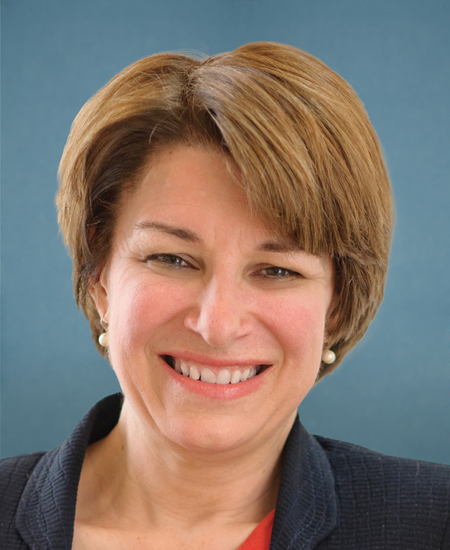
Amy Klobuchar
13% support rate
Ranked legislators
10
5 support · 5 oppose
Key legislators

Who's moving criminal justice in United States

Legislators moving criminal justice in United States
Legislator Party Stance Support rate Decisive votes
AA
Alan Armstrong Senate
R
Strong +
86% 28
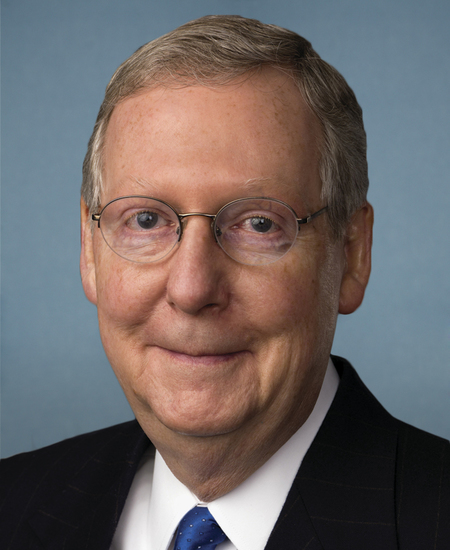
Mitch McConnell
Mitch McConnell Senate
R
Strong +
84% 31
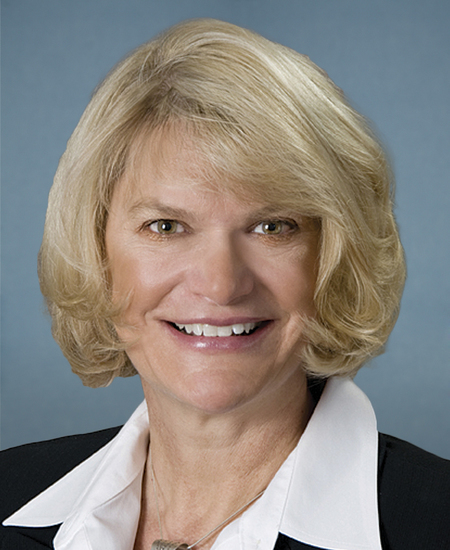
Cynthia M. Lummis
Cynthia M. Lummis Senate
R
Strong +
80% 30
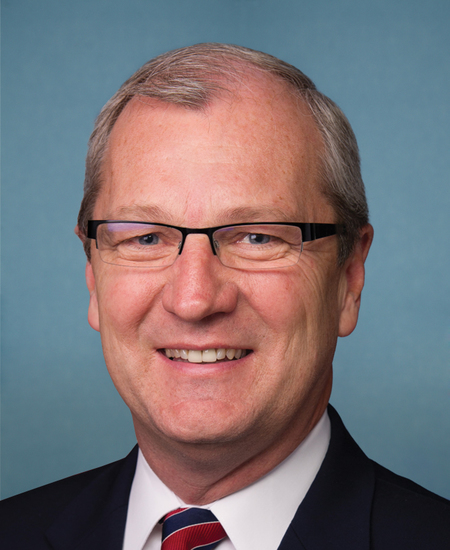
Kevin Cramer
Kevin Cramer Senate
R
Strong +
80% 30
Bernie Moreno
Bernie Moreno Senate
R
Support
77% 31
Amy Klobuchar
Amy Klobuchar Senate
D
Strong −
13% 31
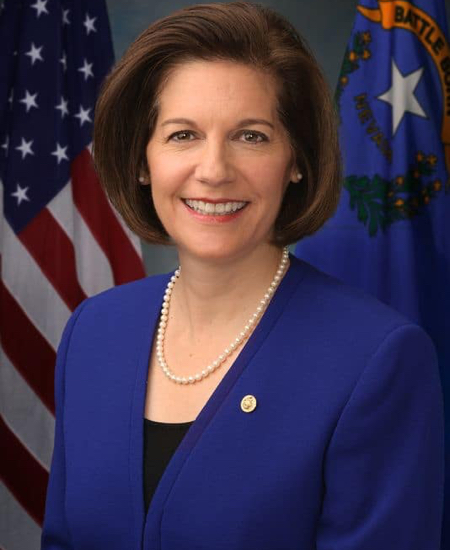
Catherine Cortez Masto
Catherine Cortez Masto Senate
D
Strong −
13% 31
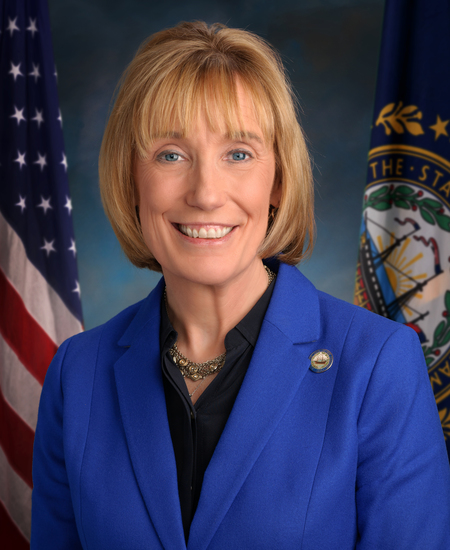
Margaret Wood Hassan
Margaret Wood Hassan Senate
D
Strong −
13% 31
Andy Kim
Andy Kim Senate
D
Strong −
16% 31
Angus S. King, Jr.
Angus S. King, Jr. Senate
I
Strong −
16% 31
Showing 1,061–1,070 of 1,286 bills

All criminal justice bills

in committee · United States · House Dec 10, 2025

HR 6579: Justice for Breonna Taylor Act

HR 6579, the Justice for Breonna Taylor Act, requires federal, state, and local law enforcement officers to provide notice of their authority and purpose before entering a premises with a warrant. This applies to all officers serving warrants, including those at the federal level and state/local agencies receiving Department of Justice funding. The law mandates this notice requirement starting in the first fiscal year after enactment, directly affecting law enforcement agencies that receive federal funding for policing. It changes the process for executing warrants by eliminating the ability to conduct no-knock entries without first informing occupants.
Sub-Topics Law Enforcement
in committee · United States · House Apr 3, 2025

HR 2650: End Gun Violence Act of 2025

This bill prohibits firearm sales or transfers to individuals convicted of a "violent misdemeanor" within the past five years. A "violent misdemeanor" is defined as a state or local offense involving physical force, a deadly weapon, or intent to cause injury - requiring the original conviction to have included legal representation and a jury trial (or valid waiver). The law excludes expunged convictions or pardons unless civil rights restoration explicitly allows firearm possession. It directly affects people with recent violent misdemeanor convictions, blocking their access to firearms under federal law.
in committee · United States · Senate Jul 31, 2025

S 2624: Kamisha's Law

S 2624, "Kamisha's Law," removes all time limits for prosecuting certain non-capital homicide offenses in federal court. It directly affects prosecutors and defendants in cases involving second-degree murder, voluntary manslaughter, or attempted manslaughter under specified sections of Title 18 (e.g., sections 1111, 1112, 1114, and others listed). The bill amends federal law to allow indictments or information to be filed "at any time without limitation" for these offenses, eliminating the usual statute of limitations. This change applies only to federal prosecutions for the listed homicide crimes, not to state cases or capital offenses.
Sub-Topics Courts Violent Crime
in committee · United States · House Mar 26, 2025

HR 2350: Cellphone Jamming Reform Act of 2025

The Cellphone Jamming Reform Act of 2025 allows state and federal correctional facilities to operate jamming systems that block cell signals from entering or leaving the facility, specifically targeting contraband devices used by inmates. It directly affects prisons and jails by enabling them to disrupt unauthorized wireless communications without FCC approval, provided the jamming is limited to housing areas within the facility. Key requirements include state facilities covering all costs themselves, consulting with local law enforcement before implementation, and notifying the Bureau of Prisons. The law aims to address security risks from smuggled phones while restricting jamming to only necessary areas and requiring transparency.
in committee · United States · House Apr 1, 2025

HRES 289: Expressing support for the designation of April 2025 as "Second Chance Month".

HRES 289 is a symbolic resolution supporting the designation of April 2025 as "Second Chance Month" to raise awareness about barriers faced by people with criminal records. It does not create new laws or programs but encourages public awareness of "collateral consequences" like employment restrictions, housing barriers, and educational access issues that hinder reentry. The resolution calls for communities, employers, and organizations to promote second chances for individuals who have completed their sentences. It is a non-binding gesture aimed at fostering public dialogue, not a policy change.
Sub-Topics Probation & Parole
in committee · United States · Senate Jul 17, 2025

S 2350: Protect DREAMer Confidentiality Act of 2025

This bill requires the Department of Homeland Security (DHS) to keep all personal information from DACA applications confidential. It prohibits sharing this data with U.S. Immigration and Customs Enforcement (ICE), U.S. Customs and Border Protection (CBP), or state/local law enforcement for any purpose other than administering the DACA program. Limited exceptions allow sharing only to prevent fraud, address specific national security threats, or investigate felonies unrelated to immigration status. The law directly protects DACA applicants and recipients by preventing their personal details from being used against them by law enforcement.
in committee · United States · House Jun 6, 2025

HR 3810: SKIM Act

The SKIM Act (HR 3810) increases penalties for fraud involving counterfeit access devices like credit cards. It requires the U.S. Sentencing Commission to raise fraud offense levels by 4 points (minimum level 14) and count all unauthorized charges from 10+ counterfeit devices toward total losses. The bill also mandates a 90-day report to Congress from the Attorney General and DHS, detailing law enforcement coordination, fraud technologies, assistance requests, and recommendations for combating such fraud. This directly affects federal courts (through sentencing changes), law enforcement agencies, and businesses vulnerable to access device fraud.
signed · United States · Senate Sep 16, 2026

S 307: Prison Staff Safety Enhancement Act

This bill requires the Bureau of Prisons to fully implement all recommendations from a 2023 Inspector General report on inmate-on-staff sexual harassment and assault within 90 days of enactment. It mandates the Bureau to provide updated data on such incidents from 2022-2025, which the Inspector General must analyze to assess prevention efforts and punishment practices. The Attorney General must then create national standards for preventing, reducing, and punishing these incidents within one year of receiving the analysis. The bill directly affects federal prison staff, including correctional officers, by establishing concrete requirements to improve their safety and address systemic data gaps.
passed · United States · House Sep 17, 2025

HR 5140: To lower the age at which a minor may be tried as an adult for certain criminal offenses in the District of Columbia to 14 years of age.

This bill lowers the age at which minors in Washington, D.C. can be tried as adults for certain crimes from 16 to 14 years old. It amends two key sections of D.C. law: changing the age for exclusion from juvenile court jurisdiction (from 16 to 14) and lowering the age for transfer to criminal court (from 15-18 to 14 across multiple scenarios). The policy directly affects minors aged 14 or older who commit specified serious offenses in D.C., removing them from the juvenile justice system. The changes apply to offenses committed on or after the bill's effective date.
in committee · United States · House Jan 16, 2025

HR 503: Qualified Immunity Act of 2025

This bill codifies qualified immunity standards for law enforcement officers under federal law. It specifies that individual officers cannot be held liable in civil suits if they demonstrate either that the constitutional right at issue was not clearly established at the time of the incident, or that a prior court ruling already confirmed the conduct was lawful. Local government agencies also cannot be held liable if the officer is found not liable under these standards and was acting within their job duties. The law applies to all federal, state, tribal, and local officers with arrest powers, including police officers. The changes would take effect 180 days after enactment.
Sub-Topics Courts Law Enforcement Policing Tags Civil Liberties
Showing 1,061 to 1,070 of 1,286 bills