Issue · Budget & Taxes

Budget & Taxes (Appropriations)

Every budget & taxes bill, vote, and legislator stance in United States, automatically classified by Maddy, our AI policy reader.

Total bills
148
119th Congress
Top supporter
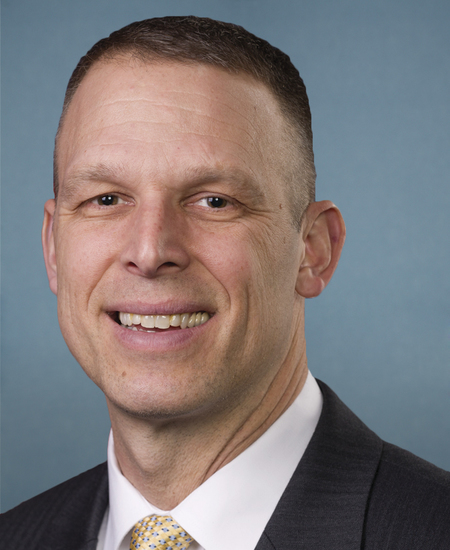
Scott Perry
90% support rate
Top opponent
Eleanor Holmes Norton
0% support rate
Ranked legislators
10
5 support · 5 oppose
Key legislators

Who's moving appropriations in United States

Legislators moving appropriations in United States
Legislator Party Stance Support rate Votes
Scott Perry
Scott Perry House · District 10
R
Strong +
90% 40
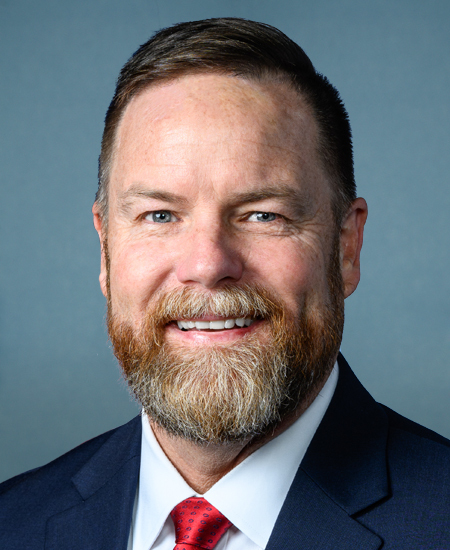
Aaron Bean
Aaron Bean House · District 4
R
Strong +
89% 46
Ben Cline
Ben Cline House · District 6
R
Strong +
89% 46
Diana Harshbarger
Diana Harshbarger House · District 1
R
Strong +
89% 46
John Joyce
John Joyce House · District 13
R
Strong +
89% 46
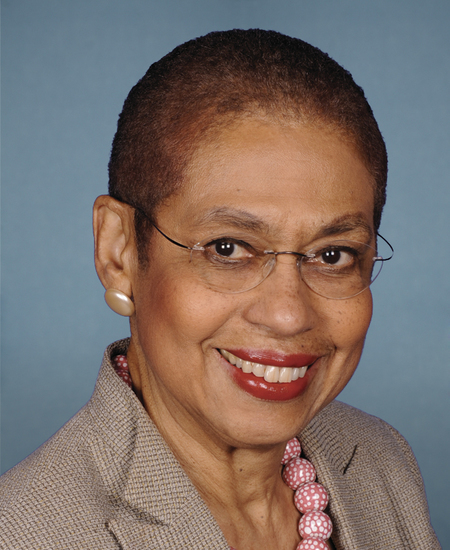
Eleanor Holmes Norton
Eleanor Holmes Norton House · District At-Large
D
Strong −
0% 26
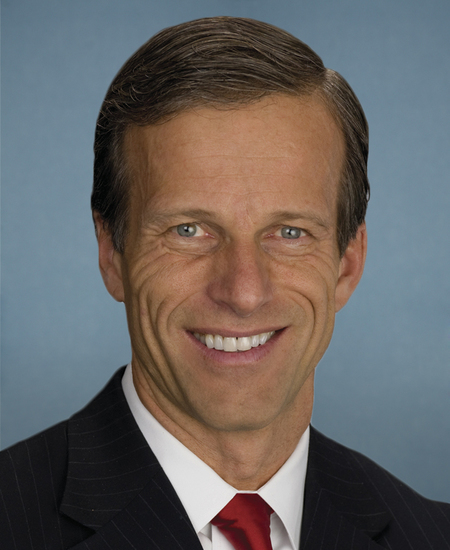
John Thune
John Thune Senate
R
Strong −
0% 10
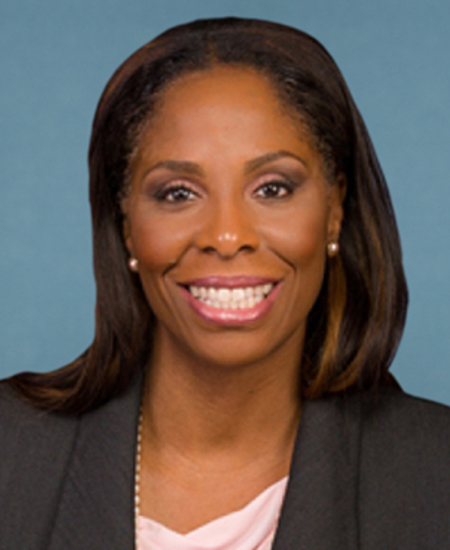
Stacey E. Plaskett
Stacey E. Plaskett House · District At-Large
D
Strong −
0% 4
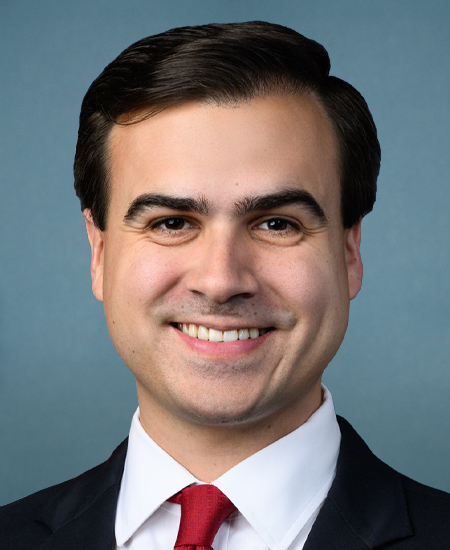
Pablo José Hernández
Pablo José Hernández House · District At-Large
D
Strong −
7% 28
Raja Krishnamoorthi
Raja Krishnamoorthi House · District 8
D
Strong −
9% 45
Showing 71–80 of 148 bills

All budget & taxes bills

in committee · United States · House Sep 16, 2025

HR 5401: Pay Our Troops Act of 2026

HR 5401, the Pay Our Troops Act of 2026, ensures military personnel, civilian Defense workers, and supporting contractors receive pay during government funding gaps in fiscal year 2026. It appropriates emergency funds for active-duty service members, reserves, and their supporting personnel (including Coast Guard staff under DHS) if regular appropriations aren't enacted by the end of the fiscal year. The bill provides necessary pay and allowances during any period when full-year funding is unavailable, covering both active service and support roles. Funding expires when regular appropriations are passed, a funding resolution is enacted, or January 1, 2027, whichever comes first. This is a procedural measure to prevent pay delays for military and support staff during fiscal year 2026 funding lapses.
Sub-Topics Appropriations
in committee · United States · House Oct 14, 2025

HR 5756: HEATS Act

The HEATS Act ensures continued funding for the Low-Income Home Energy Assistance Program (LIHEAP) during federal government shutdowns. It directs the use of unappropriated Treasury funds to pay for LIHEAP benefits when discretionary federal funding lapses, preventing interruption in aid for eligible households. This directly affects low-income families who rely on LIHEAP to cover heating and cooling costs. The bill creates a specific mechanism to maintain these critical energy assistance payments without requiring new congressional appropriations during shutdown periods.
Sub-Topics Appropriations
in committee · United States · House Sep 4, 2025

HR 5126: HIV Prevention Now Act

HR 5126, the HIV Prevention Now Act, appropriates $2.165 billion for the CDC's National Center for HIV, Viral Hepatitis, STD, and Tuberculosis Prevention for fiscal year 2026. This funding is in addition to existing CDC appropriations and must be used exclusively by that specific center for its programs, with no transfer to other entities. The bill directly affects the CDC's public health operations by providing dedicated resources for prevention and treatment programs targeting HIV, viral hepatitis, STDs, and tuberculosis. It does not create new policies or alter eligibility but ensures sustained funding for existing prevention efforts at the federal level.
in committee · United States · House Sep 9, 2025

HR 5220: Congressional Power of the Purse Act

HR 5220, the Congressional Power of the Purse Act, strengthens Congress's authority over federal spending by preventing the executive branch from withholding appropriated funds. The bill requires federal agencies to report on budget management, adds penalties for failing to comply with congressional oversight requirements, and establishes new procedures for congressional review of national emergencies. It directly affects federal agencies, the executive branch, and the balance of power between Congress and the President regarding budget authority. The law aims to increase transparency and accountability in how government funds are managed and spent.
Sub-Topics Appropriations
in committee · United States · House Sep 5, 2025

HR 5166: Financial Services and General Government Appropriations Act, 2026

# Summary of the Financial Services and General Government Appropriations Act, 2026 This Act provides funding for various federal agencies and departments under the Financial Services and General Government Appropriations category for fiscal year 2026. The legislation contains over 750 sections with detailed provisions governing how funds may be used, restrictions on certain activities, and requirements for transparency and reporting. Key provisions include: 1. **Restrictions on Healthcare Coverage**: Prohibits funds for gender-affirming care in the Federal Employees Health Benefits program (Section 761) and limits abortion coverage except in cases where the mother's life is endangered or the pregnancy resulted from rape or incest (Sections 809, 818). 2. **Executive Compensation Limits**: Imposes restrictions on pay increases for senior executive positions, including Executive Schedule positions (Sections 737-746), with specific provisions preventing pay rate increases for certain positions during calendar year 2026. 3. **District of Columbia Provisions**: Contains numerous restrictions on how District of Columbia funds may be spent, including prohibitions on: - Enforcing certain abortion-related laws (Section 818) - Implementing certain voting rights or criminal justice reforms (Sections 825, 827) - Legalizing recreational marijuana (Section 830) - Enforcing certain environmental regulations (Section 821) 4. **Prohibitions on Certain Activities**: - Bans implementation of certain executive orders related to voting access (Section 756) - Prohibits funds for vaccine or mask mandates (Section 757) - Restricts funding for entities that engage in "fact-checking" or credibility rating of news outlets (Section 758) - Prohibits funding for certain types of research or medical procedures 5. **Transparency Requirements**: Mandates detailed reporting on conference costs, travel expenses, and other expenditures (Section 738). The Act serves as a comprehensive funding measure for financial services and general government operations while embedding numerous policy restrictions on how those funds may be used across federal agencies and the District of Columbia.
in committee · United States · House Sep 26, 2025

HR 5568: Funding Small Businesses During Shutdown Act

HR 5568, the "Funding Small Businesses During Shutdown Act," ensures certain Small Business Administration (SBA) loan programs continue during government shutdowns by appropriating specific funds from the Treasury. It allocates $500,000 for section 7(m) loans, $2.9 billion for section 7(a) loans, $1.25 billion for Small Business Investment Act loans, and $13.775 million for administrative costs related to section 7(m) loans. These funds cover salaries and expenses to maintain loan servicing during any 30-day shutdown period (or pro-rated for shorter lapses), directly affecting small businesses relying on SBA loans. The bill creates a targeted funding mechanism to prevent program interruptions without requiring new appropriations during shutdowns.
Sub-Topics Appropriations Tags Small Business
in committee · United States · House Oct 10, 2025

HR 5742: BOPEN Act of 2025

HR 5742 (BOPEN Act of 2025) ensures continuous funding for Bureau of Prisons (BOP) staff salaries during gaps in annual appropriations, specifically covering periods before fiscal year 2026 or 2027 budgets are finalized. It directly affects BOP employees by guaranteeing pay through temporary appropriations, excluding senior officials requiring presidential appointment with Senate confirmation. The bill’s key mechanism is authorizing funds from general Treasury reserves to prevent payment disruptions during federal budget transitions. This is a procedural funding measure with no direct impact on inmates or public policy.
Sub-Topics Appropriations
in committee · United States · House Oct 3, 2025

HR 5687: Keep the Heat On Act of 2025

The Keep the Heat On Act of 2025 ensures low-income households continue receiving home energy assistance during a federal government shutdown in fiscal year 2026. It directs the use of unused Treasury funds to maintain the same payment rates for the home energy assistance program as in fiscal year 2025, preventing service interruptions. This applies specifically to any shutdown period during the 2026 fiscal year, guaranteeing consistent support for vulnerable families. The bill addresses a funding gap without altering existing program eligibility or requirements.
Sub-Topics Appropriations
in committee · United States · House Oct 3, 2025

HR 5680: Pay Our Public Shipyard Workers Act

HR 5680, the "Pay Our Public Shipyard Workers Act," ensures continuous pay for civilian and military workers at public shipyards during budget gaps in fiscal years 2026 or 2027. It appropriates funds from the Treasury to cover their pay and allowances if regular appropriations bills aren't enacted before the start of those fiscal years. The funding expires no later than January 1, 2027, or when regular appropriations are passed, whichever comes first. This bill directly affects shipyard workers whose pay would otherwise be interrupted during federal budget transitions.
Sub-Topics Appropriations
in committee · United States · House Sep 16, 2025

HR 5398: Pay Our Homeland Defenders Act of 2026

This bill ensures continued pay for specific Department of Homeland Security (DHS) personnel and Coast Guard members during government shutdowns in fiscal years 2026-2027. It directly affects DHS law enforcement officers (including those in job series like 0083, 1801, and 1811), DHS administrative and payroll staff, and Coast Guard personnel. The bill authorizes emergency funding from the Treasury to cover their pay and allowances when regular appropriations are not in place. This funding expires on January 1, 2027, or earlier if Congress passes a new appropriations bill covering these costs.
Sub-Topics Appropriations
Showing 71 to 80 of 148 bills
Previous 1 7 8 9 15 Next