Issue · Budget & Taxes

Budget & Taxes (Appropriations)

Every budget & taxes bill, vote, and legislator stance in United States, automatically classified by Maddy, our AI policy reader.

Total bills
148
119th Congress
Top supporter
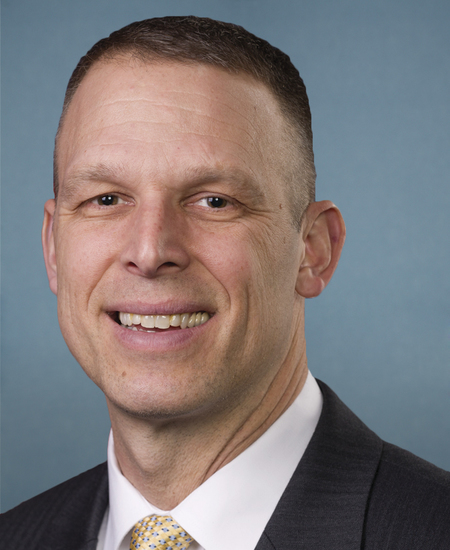
Scott Perry
90% support rate
Top opponent
Eleanor Holmes Norton
0% support rate
Ranked legislators
10
5 support · 5 oppose
Key legislators

Who's moving appropriations in United States

Legislators moving appropriations in United States
Legislator Party Stance Support rate Votes
Scott Perry
Scott Perry House · District 10
R
Strong +
90% 40
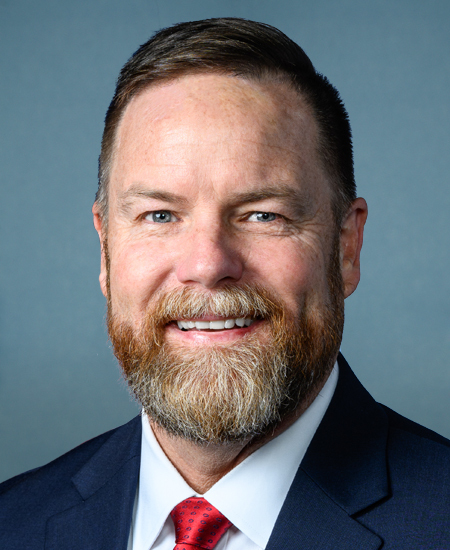
Aaron Bean
Aaron Bean House · District 4
R
Strong +
89% 46
Ben Cline
Ben Cline House · District 6
R
Strong +
89% 46
Diana Harshbarger
Diana Harshbarger House · District 1
R
Strong +
89% 46
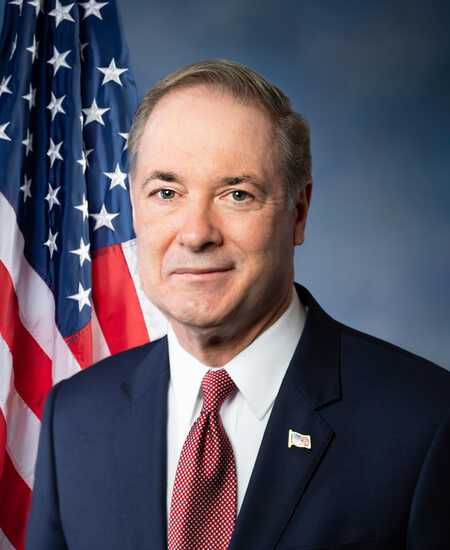
John Joyce
John Joyce House · District 13
R
Strong +
89% 46
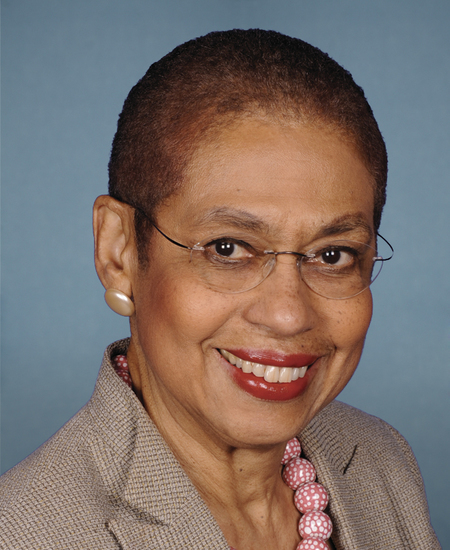
Eleanor Holmes Norton
Eleanor Holmes Norton House · District At-Large
D
Strong −
0% 26
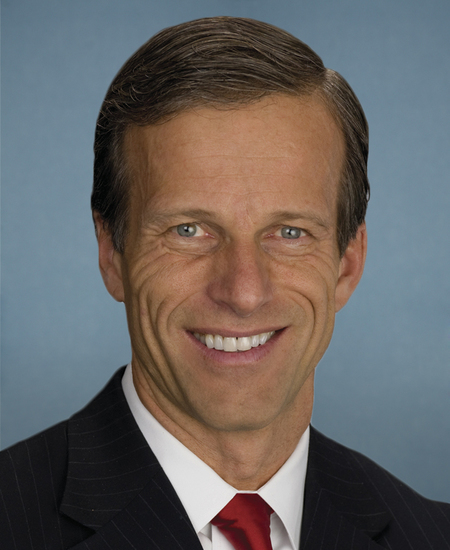
John Thune
John Thune Senate
R
Strong −
0% 10
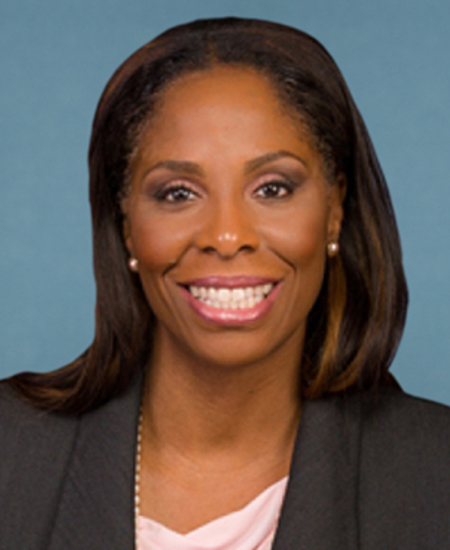
Stacey E. Plaskett
Stacey E. Plaskett House · District At-Large
D
Strong −
0% 4
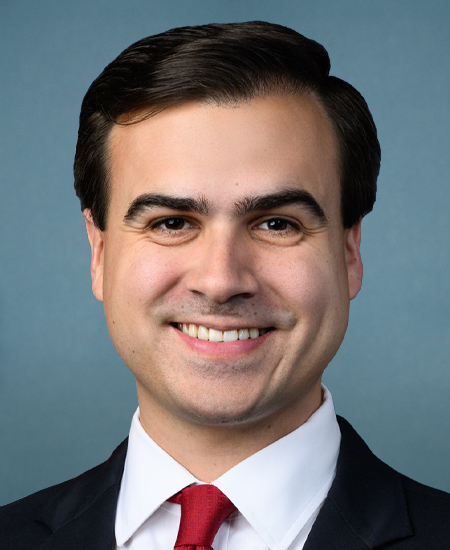
Pablo José Hernández
Pablo José Hernández House · District At-Large
D
Strong −
7% 28
Raja Krishnamoorthi
Raja Krishnamoorthi House · District 8
D
Strong −
9% 45
Showing 61–70 of 148 bills

All budget & taxes bills

in committee · United States · House Jun 24, 2025

HR 4091: LEDGER Act

The LEDGER Act (HR 4091) requires the Treasury Department to create a system tracking every government payment within 180 days of enactment. It mandates that all federal departments, agencies, and branches (executive, legislative, judicial) must report disbursements from every funding source, including how long funds remain available for spending. This system will detail each payment's origin, recipient, and timing across all government accounts. The bill directly affects all federal spending entities by standardizing expenditure tracking previously handled inconsistently.
in committee · United States · House Jun 27, 2025

HR 4230: the Appropriations Compliance and Training Act

HR 4230, the Appropriations Compliance and Training Act, requires federal employees in high-level roles - including those at GS-11 or higher, political appointees, and Senior Executive Service positions - to complete annual training on federal appropriations law. The training must cover key topics like the Antideficiency Act, the Purpose Statute, proper fund usage, and penalties for violations, and must be approved by the Office of Management and Budget. Noncompliance results in loss of financial decision-making authority and IT access until training is completed, with agencies required to report compliance statistics annually and publish them publicly. This bill directly affects over 100,000 federal employees in covered positions by mandating standardized training to ensure proper handling of government funds.
Sub-Topics Appropriations
passed · United States · House Jun 24, 2026

HR 4238: DLARA

The Disaster Loan Accountability and Reform Act (DLARA) requires the Small Business Administration (SBA) to improve transparency and accountability for disaster loans. It mandates monthly reports detailing loan funding status, new budget requests with historical cost comparisons, and strict limits on loan obligations when funds fall below 10% of a 10-year average. The bill also requires GAO and SBA Inspector General reviews of funding shortfalls, cost impacts of recent policy changes, and enhanced forecasting for disaster loan budgets. These provisions directly affect the SBA’s operations and its reporting to Congress, aiming to prevent future funding crises through better data and oversight.
Sub-Topics Appropriations Tags Small Business
passed · United States · House Dec 8, 2025

HR 4016: Department of Defense Appropriations Act, 2026

Department of Defense Appropriations Act, 2026 This bill provides FY2026 appropriations to the Department of Defense (DOD) for military activities. (The bill excludes military construction, military family housing, civil works projects of the Army Corps of Engineers, and nuclear warheads, which are all included in other appropriations bills.) Within the DOD budget, the bill provides appropriations for Military Personnel; Operation and Maintenance; Procurement; Research, Development, Test and Evaluation; and Revolving and Management Funds. The bill provides appropriations for Other Department of Defense Programs, including the Defense Health Program, Chemical Agents and Munitions Destruction, Drug Interdiction and Counter-Drug Activities, and the Office of the Inspector General. In addition, the bill provides appropriations for Related Agencies, including (1) the Central Intelligence Agency Retirement and Disability System Fund, and (2) the Intelligence Community Management Account. The bill also sets forth requirements and restrictions for using funds provided by this and other appropriations acts.
in committee · United States · House Jun 25, 2025

HR 4121: Agriculture, Rural Development, Food and Drug Administration, and Related Agencies Appropriations Act, 2026

# Summary of the Agriculture, Rural Development, Food and Drug Administration, and Related Agencies Appropriations Act, 2026 This comprehensive appropriations bill provides funding for the Department of Agriculture, Rural Development, Food and Drug Administration, and related agencies for fiscal year 2026. Key provisions include: ## Major Funding Provisions - $2 billion for Rural Development programs - $1.5 billion for Food and Drug Administration operations - $2 million for the Meat and Poultry Processing Expansion Program - $2 million for Section 758 of P.L. 118-42 - $1.5 million for grants under Section 12502 of Public Law 115-334 ## Significant Restrictions on Fund Usage - **Prohibits funds** for diversity, equity and inclusion initiatives or any program promoting Critical Race Theory (Section 755) - **Prohibits implementation** of certain proposed rules on poultry grower contracting and livestock markets (Section 729) - **Restricts SNAP variety requirements** until regulatory amendments are made (Section 726) - **Prohibits new guidelines** for Listeria monocytogenes until FDA considers new science (Section 756) - **Prohibits new sodium reduction regulations** until impact assessment is completed (Section 757) - **Requires congressional approval** for reprogramming of funds (Section 716) - **Limits indirect cost rates** on cooperative agreements to 10% of total direct cost (Section 704) ## Other Notable Provisions - Rescinds $100 million from WIC program unobligated balances (Section 722) - Rescinds $100 million from conservation activities unobligated balances (Section 778) - Rescinds $100 million from Inflation Reduction Act funds (Section 779) - Prohibits use of funds for certain tobacco product regulations (Section 773) - Requires specific study on applying "Buy American" requirements to nutrition programs (Section 775) - Prohibits use of funds for certain food traceability rules before August 1, 2028 (Section 766) The bill contains numerous specific restrictions on how federal funds may be spent, reflecting a strong emphasis on limiting government spending and regulating program implementation through detailed legislative language.
in committee · United States · House Jul 17, 2025

HR 4494: Flood Insurance Relief Act

HR 4494, the Flood Insurance Relief Act, allows homeowners to deduct qualified flood insurance premiums from their taxable income. It directly affects individual homeowners who pay for flood insurance through the National Flood Insurance Program or approved private policies. The deduction applies only to premiums paid for covered property, with a limit: it phases out for taxpayers earning over $200,000 individually ($400,000 for joint returns). The bill modifies the tax code to add this deduction as a new line item, effective for tax years after enactment.
Sub-Topics Appropriations
in committee · United States · House Oct 14, 2025

HR 5755: No Budget, No Pay Act

HR 5755, the No Budget, No Pay Act, requires Congress to pass a budget resolution and all regular appropriations bills by October 1 each fiscal year, or members of Congress (excluding the Vice President) will not receive pay starting October 2. The bill mandates that pay is withheld for each day after October 1 until both chambers approve the budget resolution and all appropriations bills. It explicitly prohibits retroactive payment for any withheld pay period and establishes procedures for Senate and House committees to certify compliance with the deadlines. The law takes effect February 1, 2027, and directly affects congressional members' salaries based on budget process deadlines.
Sub-Topics Appropriations
in committee · United States · House Sep 23, 2025

HR 5542: End Government Shutdowns Act

HR 5542, the "End Government Shutdowns Act," automatically funds all federal programs at 99% of the previous fiscal year's level if Congress fails to pass regular appropriations bills by the start of a new fiscal year. This prevents shutdowns by ensuring continuous operations, with funding decreasing by 1% every 30 days until a new budget is enacted. The bill directly affects all federal agencies and programs that would otherwise face funding gaps during budget disputes. It requires funding to continue at reduced levels until a regular appropriations bill or continuing resolution is signed into law, avoiding government shutdowns through this automatic mechanism.
Sub-Topics Appropriations
in committee · United States · House Sep 16, 2025

HR 5406: Opportunities to Support Mothers and Deliver Children Act

This bill creates federal grants to fund 3-year demonstration projects that train low-income individuals (under 138% of the federal poverty level) to become doulas or midwives. It requires states to already recognize and permit these professionals to practice, and applicants must partner with entities like workforce boards, hospitals, or community organizations. The $10 million appropriation for fiscal year 2026 will support programs focused on accessible career pathways with high training standards, fair wages, and health benefits. Projects must include rigorous evaluations to identify effective models for building this workforce, particularly for underserved communities.
in committee · United States · House Sep 4, 2025

HR 5130: Prevent Government Shutdowns Act of 2025

HR 5130, the Prevent Government Shutdowns Act of 2025, would automatically continue funding for most federal programs at previous year's levels if Congress fails to pass full-year appropriations by the start of the fiscal year. The bill would provide automatic funding for 14 days, extendable by 14-day periods until Congress passes an appropriations bill, while excluding entitlement programs like food stamps and Social Security. During these automatic funding periods, the bill restricts government travel to essential activities only, limits use of campaign funds for travel, and requires Congress to prioritize passing appropriations bills over other business. This would affect all federal agencies and programs that would otherwise face a shutdown, as well as Members of Congress and their staff who would face new travel restrictions during these periods.
Sub-Topics Appropriations
Showing 61 to 70 of 148 bills
Previous 1 6 7 8 15 Next