Issue · Budget & Taxes

Budget & Taxes

Every budget & taxes bill, vote, and legislator stance in United States, automatically classified by Maddy, our AI policy reader.

Total bills
310
119th Congress
Top supporter
Clay Fuller
87% support rate
Top opponent
Eleanor Holmes Norton
0% support rate
Ranked legislators
10
5 support · 5 oppose
Key legislators

Who's moving budget & taxes in United States

Legislators moving budget & taxes in United States
Legislator Party Stance Support rate Decisive votes
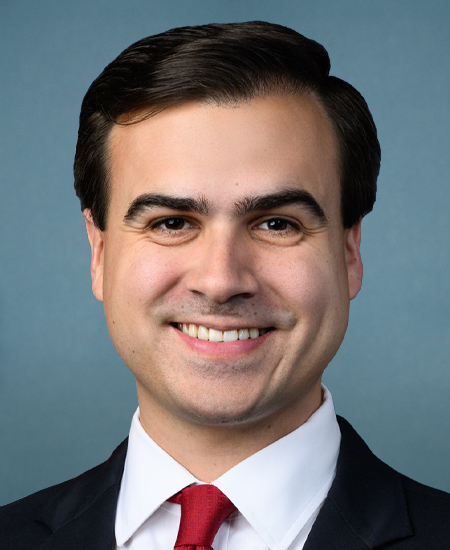
Clay Fuller
Clay Fuller House · District 14
R
Strong +
87% 46
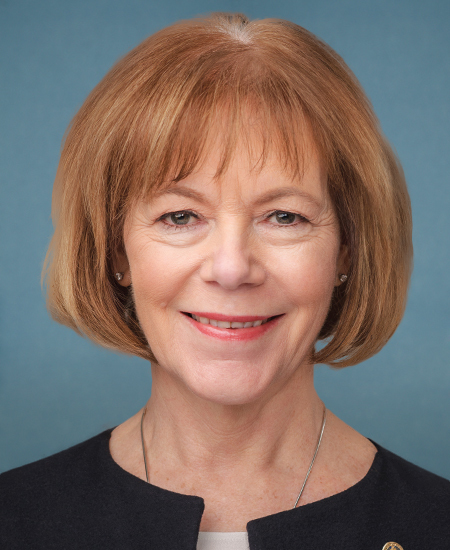
Tina Smith
Tina Smith Senate
D
Strong +
83% 77
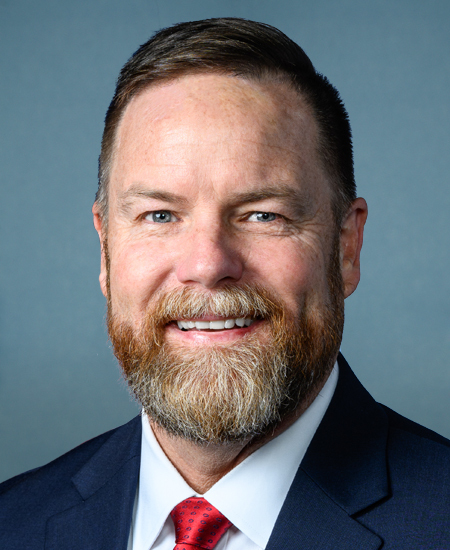
Andrew Ogles
Andrew Ogles House · District 5
R
Strong +
83% 65
Aaron Bean
Aaron Bean House · District 4
R
Strong +
83% 69
Ben Cline
Ben Cline House · District 6
R
Strong +
83% 69
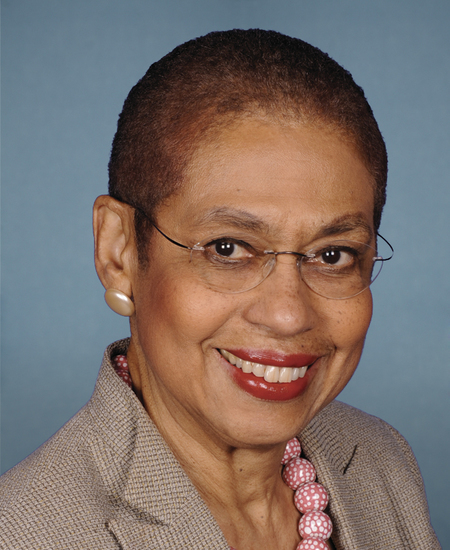
Eleanor Holmes Norton
Eleanor Holmes Norton House · District At-Large
D
Strong −
0% 26
Pablo José Hernández
Pablo José Hernández House · District At-Large
D
Strong −
7% 28
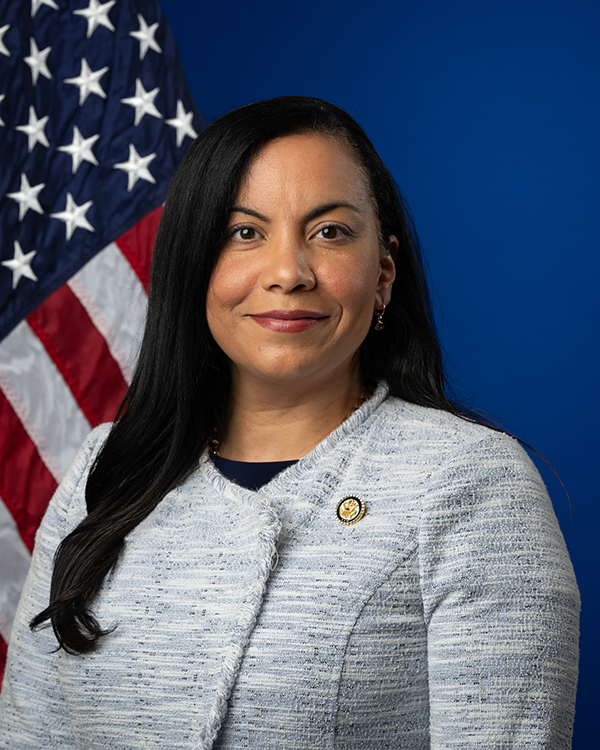
Analilia Mejia
Analilia Mejia House · District 11
D
Strong −
13% 45
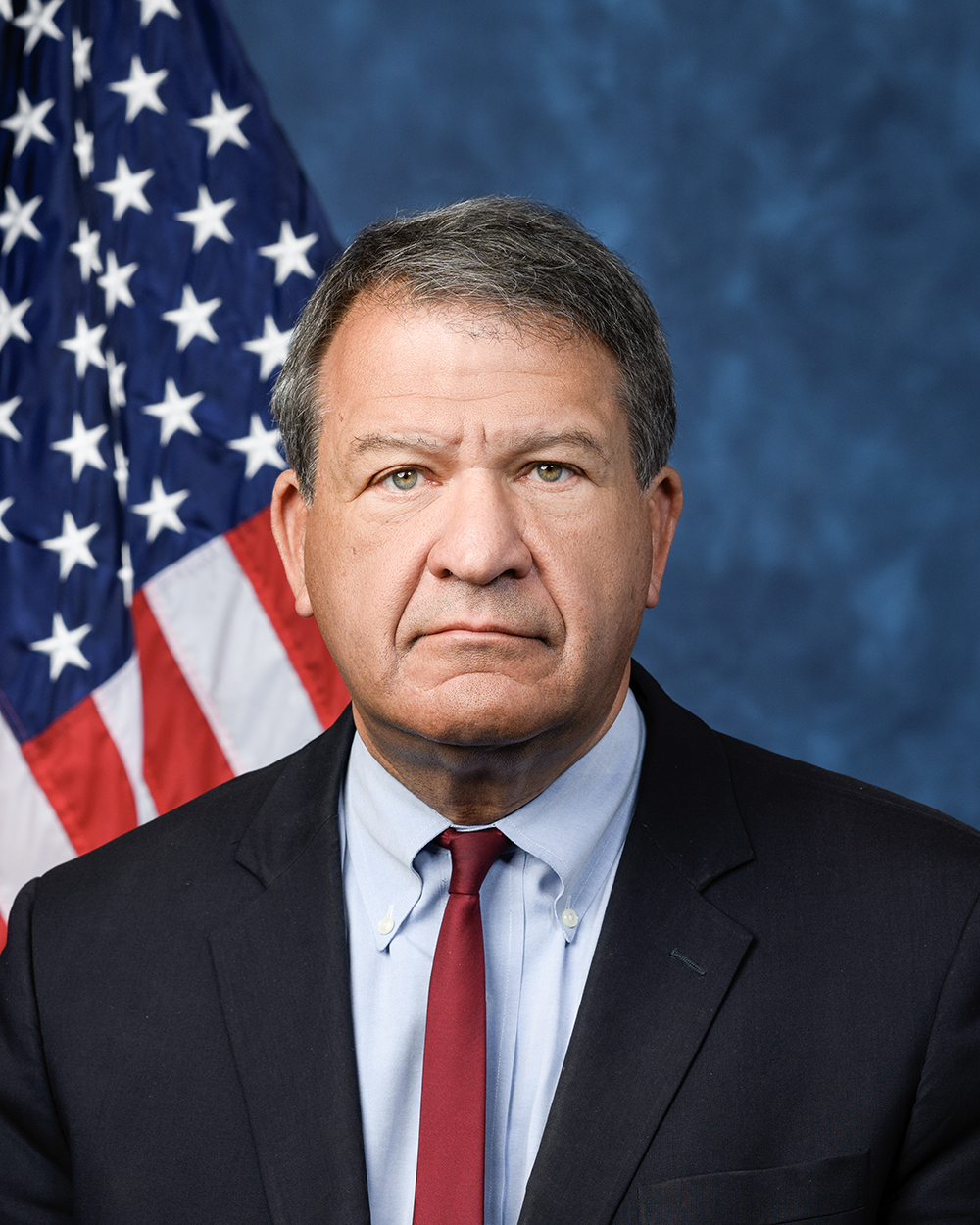
George Latimer
George Latimer House · District 16
D
Strong −
13% 67
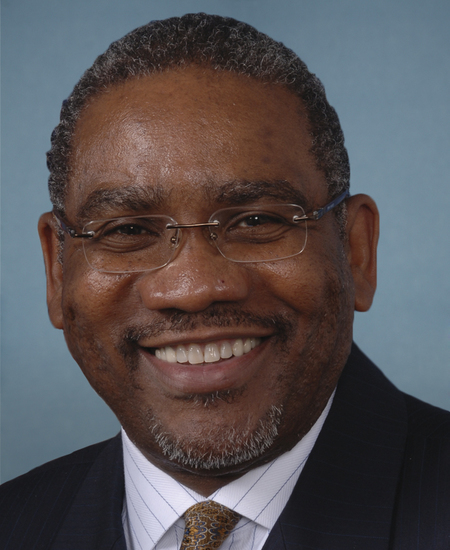
Gregory W. Meeks
Gregory W. Meeks House · District 5
D
Strong −
14% 66
Showing 251–260 of 310 bills

All budget & taxes bills

in committee · United States · Senate Sep 4, 2025

S 2716: You Earned It, You Keep It Act

The You Earned It, You Keep It Act changes Social Security tax treatment by setting a $250,000 threshold for earnings subject to Social Security taxes. It modifies how income above this threshold is treated for Social Security purposes and adjusts benefit calculations to include earnings above $250,000. The bill would directly affect high-wage earners making over $250,000 annually, changing how their Social Security taxes are calculated. The bill also includes provisions to ensure Social Security trust funds are not negatively impacted by these changes. These changes would apply to wages paid in calendar years after 2025 and to taxable years beginning after December 31, 2025.
Sub-Topics Income Tax
in committee · United States · House Jan 9, 2025

HR 310: Restoring Energy Market Freedom Act

This bill repeals multiple tax credits for renewable energy projects, including solar, wind, and clean transportation fuels, which currently provide financial incentives to businesses. It directly affects companies that claim these credits, such as renewable energy developers and manufacturers, by eliminating their eligibility for these tax benefits starting in 2025. Key provisions remove specific sections of the tax code (like Sections 45, 45Q, and 48) and adjust related references to reflect the repeal. The changes apply to taxable years beginning after December 31, 2024, with no new provisions added - only the removal of existing credits.
in committee · United States · Senate Sep 29, 2025

S 2930: Smarter Approaches to Nuclear Expenditures Act

This bill, S 2930, directly affects U.S. nuclear spending by imposing specific caps and prohibitions on weapons programs to reduce costs. It limits deployed strategic warheads to 1,000 (aligned with New START Treaty levels), caps submarine purchases at eight Columbia-class vessels, restricts ICBMs to 150, and bans funding for new systems like the LGM-35 Sentinel ICBM, F-35 nuclear capability, low-yield warheads, and the Uranium Processing Facility. The bill requires annual reports to Congress on implementation and cost savings, aiming to cut projected nuclear modernization costs by billions over the next decade. These changes apply to the Department of Defense and Energy budgets starting in fiscal year 2026.
Sub-Topics Government Spending
in committee · United States · House Mar 14, 2025

HR 2133: Lakes Before Turbines Act

HR 2133, the "Lakes Before Turbines Act," blocks tax credits for offshore wind energy projects in the Great Lakes by amending the federal tax code. It prohibits the Investment Tax Credit (ITC) for offshore wind facilities located in the Great Lakes after 2022, directly affecting developers planning such projects. The key provision inserts "other than any of the Great Lakes" into the tax code language that previously allowed credits for wind projects in U.S. inland waters. This policy change takes effect for taxable years beginning after December 31, 2022.
Sub-Topics Tax Credits Wind
in committee · United States · House Jun 24, 2025

HR 4118: Stop the Subsidized Green Energy Scam Act

HR 4118 ends federal tax credits for new wind, solar, and battery energy storage projects starting construction after the bill's enactment. It directly affects developers and companies building these facilities by eliminating financial incentives for projects beginning after the law takes effect. The bill amends key tax code provisions (Sections 48, 45Y, and 48E) to exclude such new projects from eligibility, while leaving existing credits intact. This change applies only to projects with construction start dates after the bill's effective date, targeting future developments rather than current operations.
in committee · United States · Senate Sep 11, 2025

S 2773: WAGER Act

This bill (S 2773, the WAGER Act) removes an excise tax on sports betting wagers that comply with state laws or tribal gaming compacts. It directly affects sports betting operators and bettors in states where sports betting is legal, as well as tribal gaming operations with approved compacts. The key provision exempts wagers placed on sporting events from the tax, provided they are not prohibited under state law or tribal agreements. The change applies to wagers placed after the bill becomes law.
Sub-Topics Sales Tax
in committee · United States · Senate Jan 22, 2025

S 187: ALIGN Act

S 187, the ALIGN Act, permanently allows businesses to immediately deduct the full cost of qualified property (like machinery or equipment) instead of depreciating it over time. This directly affects businesses that purchase qualifying property after September 27, 2017, by eliminating the previous requirement to spread deductions across multiple years. The key provision changes the tax code to set the "applicable percentage" for such property at 100% permanently. This simplifies tax treatment for eligible investments without altering other tax rules. The bill does not change tax rates or affect individual taxpayers.
in committee · United States · House Apr 14, 2025

HR 2918: Family Business Legacy Act of 2025

HR 2918, the "Family Business Legacy Act of 2025," would create a new estate tax deduction for bequests to specific nonprofit organizations. It allows estates to deduct the full value of transfers to organizations exempt under IRS sections 501(c)(4), (5), or (6), reducing the taxable value of an estate. This applies to estates of people who die after December 31, 2025, and directly affects individuals leaving assets to qualifying nonprofits like community foundations or social welfare groups. The bill does not change tax rates or directly support family-owned businesses, as the title suggests, but rather modifies how certain charitable bequests are treated for estate tax purposes.
in committee · United States · House Jan 23, 2025

HR 652: Small Business Investor Tax Parity Act of 2025

This bill expands the tax deduction for qualified business income to include interest dividends from certain business development companies (BDCs), aligning them with the existing treatment for real estate investment trust (REIT) dividends. It specifically adds "qualified BDC interest dividends" to the list of eligible income under Section 199A of the tax code, allowing investors in qualifying BDCs to deduct 20% of these dividends. The change applies to taxable years beginning after December 31, 2026, and directly affects investors in BDCs that meet specific criteria as regulated investment companies. This policy modifies tax eligibility without altering the deduction rate or creating new tax obligations.
in committee · United States · House Mar 3, 2025

HRES 178: Put Your Money Where Your Mouth Is Resolution

HRES 178, titled "Put Your Money Where Your Mouth Is Resolution," would reduce each House member's annual representational allowance (funding for district office operations and constituent services) by $100,000 for fiscal years 2026 and 2027 compared to the 2025 level. This applies to all current and future House members, directly affecting their annual budget for local office expenses. The key provision sets the 2026 and 2027 allowance equal to the 2025 amount minus $100,000, creating a uniform reduction. As a procedural resolution, it would require the House Administration Committee to implement this change in the budget.
Showing 251 to 260 of 310 bills
Previous 1 … 25 26 27 … 31 Next