Issue · Budget & Taxes

Budget & Taxes (Government Spending)

Every budget & taxes bill, vote, and legislator stance in United States, automatically classified by Maddy, our AI policy reader.

Total bills
56
119th Congress
Top supporter
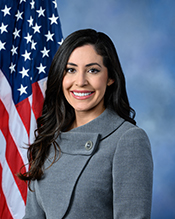
Anna Paulina Luna
100% support rate
Top opponent
Henry Cuellar
0% support rate
Ranked legislators
10
5 support · 5 oppose
Key legislators

Who's moving government spending in United States

Legislators moving government spending in United States
Legislator Party Stance Support rate Votes
Anna Paulina Luna
Anna Paulina Luna House · District 13
R
Strong +
100% 5
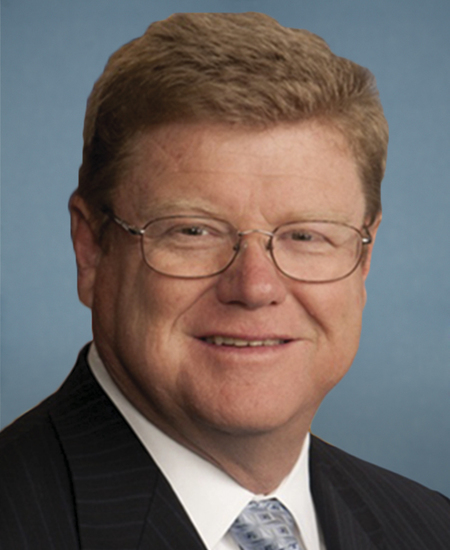
Mark E. Amodei
Mark E. Amodei House · District 2
R
Strong +
100% 5
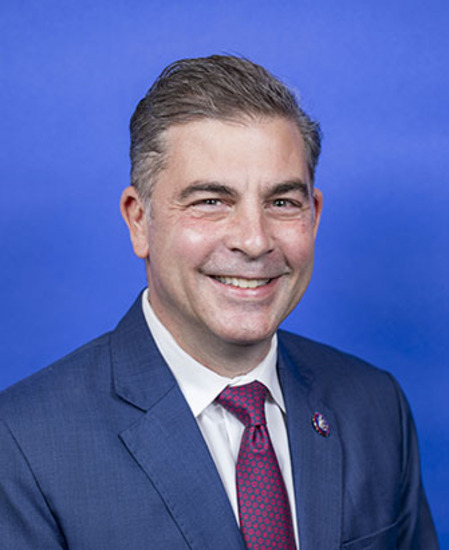
Mike Carey
Mike Carey House · District 15
R
Strong +
100% 5
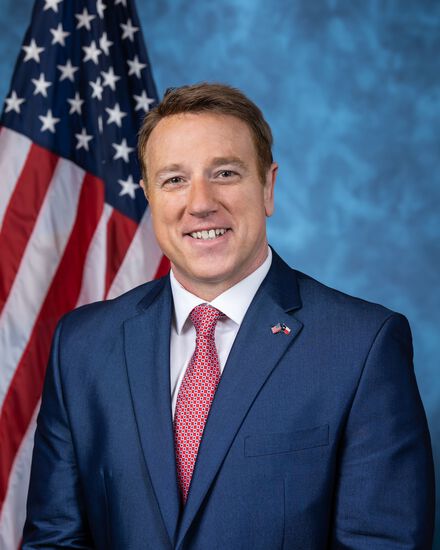
Pat Fallon
Pat Fallon House · District 4
R
Strong +
100% 5
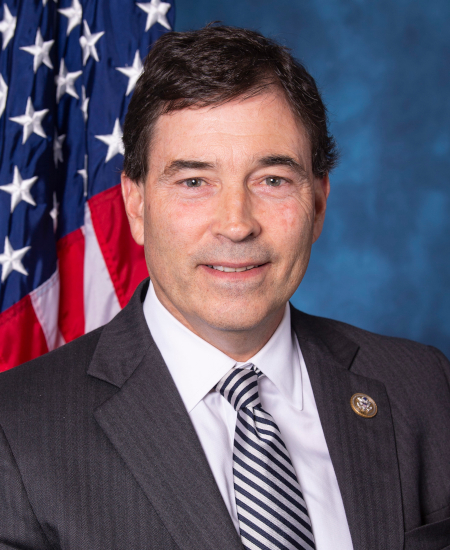
Troy Balderson
Troy Balderson House · District 12
R
Strong +
100% 5
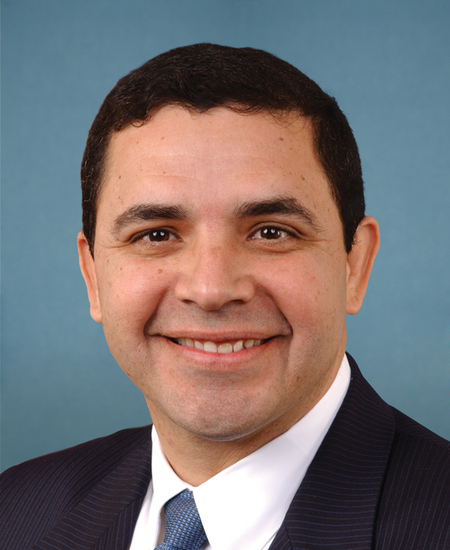
Henry Cuellar
Henry Cuellar House · District 28
D
Strong −
0% 6
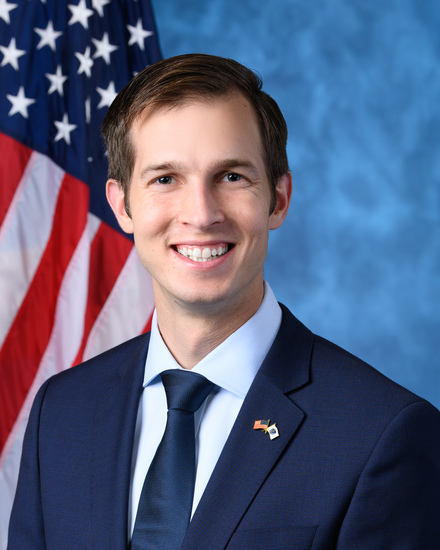
Jake Auchincloss
Jake Auchincloss House · District 4
D
Strong −
0% 5
Kim Schrier
Kim Schrier House · District 8
D
Strong −
0% 5
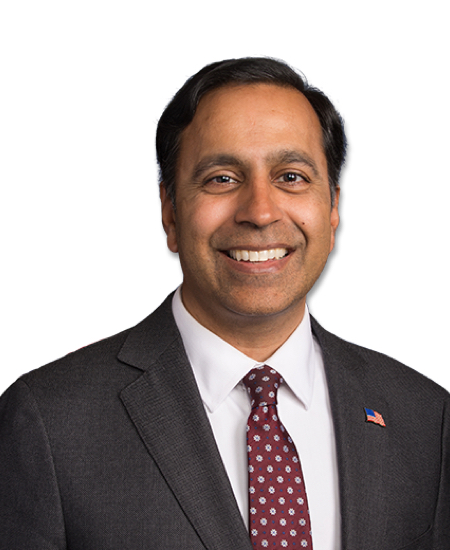
Raja Krishnamoorthi
Raja Krishnamoorthi House · District 8
D
Strong −
0% 5
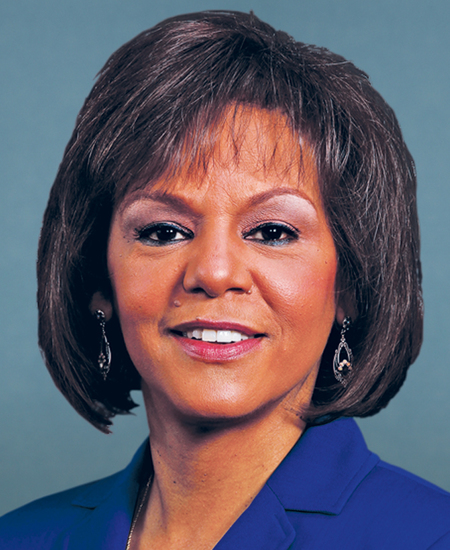
Robin L. Kelly
Robin L. Kelly House · District 2
D
Strong −
0% 5
Showing 11–20 of 56 bills

All budget & taxes bills

in committee · United States · Senate Mar 20, 2026

SRES 654: A resolution expressing the sense of the Senate that the United States should reduce and maintain the Federal unified budget deficit at or below 3 percent of gross domestic product.

This resolution expresses the sense of the Senate that (1) Congress should adopt a fiscal target to reduce the federal budget deficit to 3% of gross domestic product or less as soon as possible and no later than the end of FY2030; and (2) after the target is achieved, Congress should continue to pursue further deficit reduction with the goal of achieving a balanced federal budget.
in committee · United States · Senate Feb 26, 2026

S 3951: Balanced Budget Responsibility Act of 2026

This bill, titled the Balanced Budget Responsibility Act of 2026, would give the President the authority to reduce government spending to eliminate a projected budget deficit. It allows the President to decline to spend certain discretionary funds, excluding Medicare and Social Security benefits, if a deficit is anticipated for a fiscal year. The decision to withhold these funds would be made in consultation with the Treasury Secretary and the Office of Management and Budget. This provision would operate outside the usual rules governing how the President handles unspent government funds.
in committee · United States · Senate Mar 18, 2026

S 4059: End-of-Year Fiscal Responsibility Act

This bill, titled the End-of-Year Fiscal Responsibility Act, would limit how much money federal executive agencies can spend near the end of each fiscal year. It directly affects federal agencies that receive discretionary funding, restricting their spending in the two months before a fiscal year ends to no more than their average monthly spending over the previous 10 months. The law requires agencies to submit detailed reports to Congress and publish them online within 60 days after each fiscal year concludes. Certain spending for national security and disaster relief would be exempt from these limits.
in committee · United States · House Feb 27, 2025

HR 1654: CUTS Act

HR 1654, the CUTS Act, redirects unobligated pandemic relief and infrastructure funds to other federal spending priorities. It rescinds leftover money from COVID-19 relief acts (including the CARES Act and American Rescue Plan) and specific infrastructure programs like the Education Stabilization Fund and transportation initiatives. The rescinded funds are limited to the total amount allocated for Israel, Ukraine, and Indo-Pacific security supplements. This bill reallocates existing unspent federal funds without creating new programs or affecting current beneficiaries.
in committee · United States · House Dec 2, 2025

HR 143: Unauthorized Spending Accountability Act

Unauthorized Spending Accountability Act This bill reduces budgetary levels for certain federal programs that are funded through the annual appropriations process and do not have an authorization of appropriations. Under the bill, budgetary levels are spending allocations provided to the congressional appropriations committees by a congressional budget resolution or a deeming resolution. The allocations are provided under the Congressional Budget Act of 1974 and are often referred to as 302(a) allocations. The bill applies to programs included in the Congressional Budget Office's (CBO's) annual report listing programs that are funded through the appropriations process and have an authorization of appropriations that has either expired or will expire during the year.  If a program is listed in the CBO report, the bill requires specified reductions to be implemented over a three-year period and terminates the unauthorized programs at the end of the third unauthorized year.
passed · United States · House Jun 9, 2026

HR 428: Bonuses for Cost-Cutters and Fraud Preventers Act of 2026

The Bonuses for Cost-Cutters Act of 2025 allows federal employees to receive cash awards of up to $20,000 for identifying spending their agency's Chief Financial Officer determines is not required for its intended purpose. Employees report potential wasteful expenses to their agency's Chief Financial Officer, who verifies if the spending qualifies under the new definition (funds not needed for their original purpose). If approved, the agency head can award the employee, and agencies must publicly report on these disclosures and awards. The Office of Personnel Management will monitor compliance, and the Comptroller General will report on the program's operation every three years.
in committee · United States · House Jan 31, 2025

HR 869: Keep Our PACT Act

HR 869, the Keep Our PACT Act, mandates specific annual funding levels for two key education programs: Title I of the Elementary and Secondary Education Act (ESEA) and the Individuals with Disabilities Education Act (IDEA). For Title I, it requires funding in fiscal years 2026-2035 that equals the difference between the 2025 funding level and set annual dollar targets (e.g., $20.5 billion for 2026). For IDEA, it sets mandatory annual funding levels that gradually increase to reach 40% of the national average per-pupil expenditure for students with disabilities by 2035. The bill directly affects public school districts and students, particularly those with disabilities, by guaranteeing these funding levels rather than relying on annual appropriations.
in committee · United States · House Jan 28, 2025

HR 824: GORAC Act of 2025

The GORAC Act of 2025 requires the government's watchdog office (Comptroller General) to conduct a comprehensive evaluation of federal agencies and programs every 10 years, starting within one year of the bill's enactment. A non-Federal auditor will identify duplicative, wasteful, or outdated programs - recommending consolidation of agencies with identical functions or elimination of those that wasted funds, completed their purpose, or failed to meet goals. Any savings from these changes must be used to reduce the national debt, and affected federal employees must be offered relocation assistance within government positions. The bill applies broadly to most federal agencies and programs (excluding military installations and pure entitlement programs), with Congress required to consider implementation bills based on the auditor's recommendations within 15 days of submission.
in committee · United States · House Jan 28, 2025

HR 757: SWAG Act

The SWAG Act prohibits federal agencies from using taxpayer funds to purchase or distribute promotional items ("swag"), such as free hats, keychains, or candy, unless the spending directly supports the agency's mission with a measurable positive return on investment, aids military or federal job recruitment, or is used by the Census Bureau. It also bans agencies from using costumed characters (mascots) to promote programs, except for mascots declared U.S. property, used in military recruitment, or for military academy sports teams. Agencies must report their public relations and advertising spending - including estimated return on investment - to Congress annually as part of their budget requests. The bill aims to eliminate wasteful government spending on non-essential promotional materials by requiring justification for such expenditures.
Sub-Topics Government Spending
in committee · United States · House Feb 12, 2025

HR 1233: To prohibit the obligation or expenditure of Federal funds for disinformation research grants, and for other purposes.

HR 1233 prohibits federal agencies from using taxpayer money to fund specific research programs. It bans spending on disinformation research grants, Secure and Trustworthy Cyberspace grants, and the National Science Foundation's Track F program focused on "Trust and Authenticity in Communications Systems." This directly affects federal departments and agencies that would otherwise allocate funds for these research areas, as well as researchers or institutions seeking such grants. The bill makes a concrete change by blocking federal funding for these particular research initiatives, without altering broader disinformation policies or creating new regulations.
Showing 11 to 20 of 56 bills
Previous 1 2 3 6 Next