Issue · Budget & Taxes

Budget & Taxes

Every budget & taxes bill, vote, and legislator stance in United States, automatically classified by Maddy, our AI policy reader.

Total bills
2,101
119th Congress
Top supporter
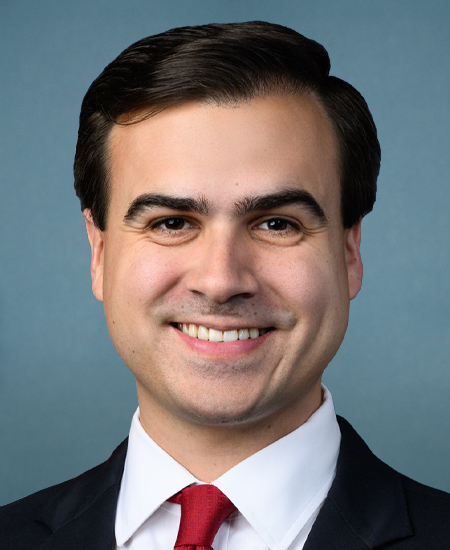
Clay Fuller
87% support rate
Top opponent
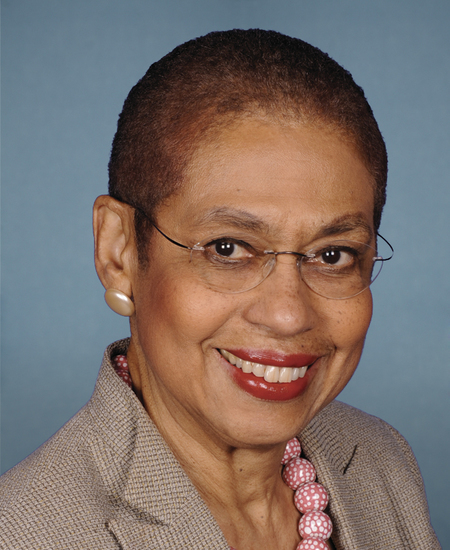
Eleanor Holmes Norton
0% support rate
Ranked legislators
10
5 support · 5 oppose
Key legislators

Who's moving budget & taxes in United States

Legislators moving budget & taxes in United States
Legislator Party Stance Support rate Decisive votes
Clay Fuller
Clay Fuller House · District 14
R
Strong +
87% 46
Tina Smith
Tina Smith Senate
D
Strong +
83% 77
Andrew Ogles
Andrew Ogles House · District 5
R
Strong +
83% 65
Aaron Bean
Aaron Bean House · District 4
R
Strong +
83% 69
Ben Cline
Ben Cline House · District 6
R
Strong +
83% 69
Eleanor Holmes Norton
Eleanor Holmes Norton House · District At-Large
D
Strong −
0% 26
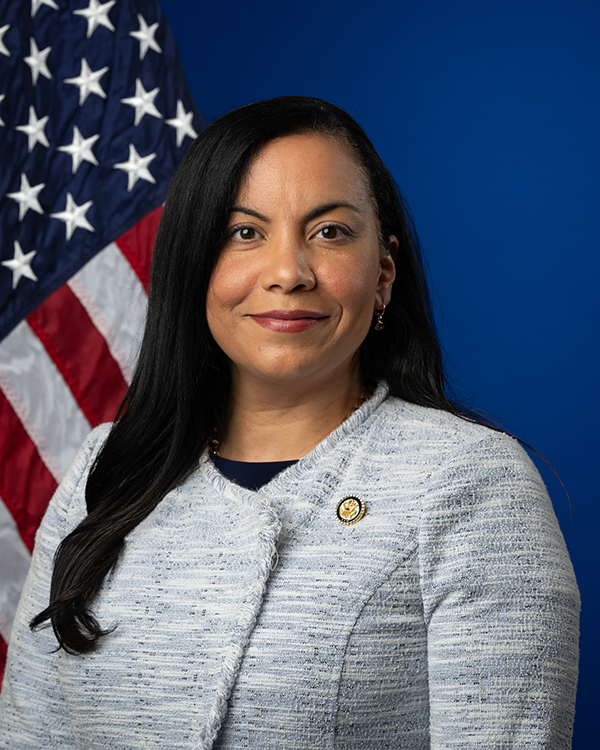
Pablo José Hernández
Pablo José Hernández House · District At-Large
D
Strong −
7% 28
Analilia Mejia
Analilia Mejia House · District 11
D
Strong −
13% 45
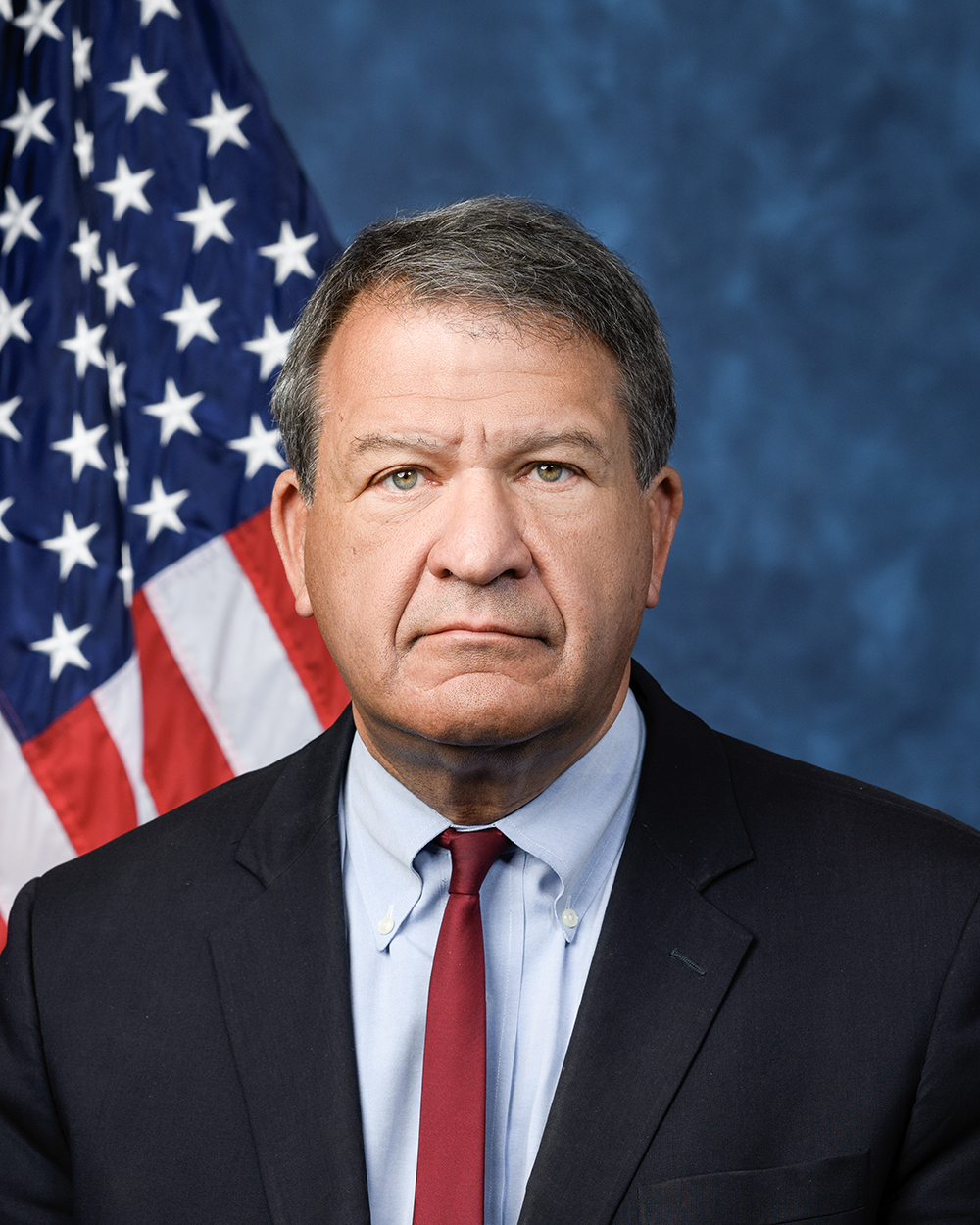
George Latimer
George Latimer House · District 16
D
Strong −
13% 67
Gregory W. Meeks
Gregory W. Meeks House · District 5
D
Strong −
14% 66
Showing 1,711–1,720 of 2,101 bills

All budget & taxes bills

in committee · United States · House Feb 21, 2025

HR 1447: No Deductions for Marijuana Businesses Act

This bill prohibits marijuana businesses from deducting ordinary business expenses on their federal tax returns. It amends federal tax law to deny deductions or credits for any costs related to selling marijuana (which remains illegal under federal law), directly affecting state-legal marijuana businesses operating under state law but subject to federal prohibition. The key provision requires these businesses to pay taxes on their full gross income without subtracting standard business costs like rent or supplies. The rule applies to tax years beginning after the bill's enactment date.
in committee · United States · House Mar 31, 2025

HR 2507: Helping to Encourage Real Opportunities (HERO) for Youth Act of 2025

HR 2507 (HERO for Youth Act of 2025) expands a federal tax credit for employers hiring youth. It allows the credit for year-round employment (not just summer) for young workers attending school 20+ hours weekly between September 16 and April 30. The bill also creates a new credit for employers hiring "disconnected youth" - defined as individuals aged 16-25 not enrolled in school or employed for six months, or foster youth aged 16-21. The credit amount is increased, and related tax code provisions are updated to reflect these changes.
in committee · United States · Senate Jun 9, 2025

S 1998: Small Business Tax Fairness and Compliance Simplification Act

This bill extends a tax credit for employer social security taxes related to tips earned by employees in beauty service businesses (including barbering, nail care, esthetics, and spa treatments). It requires that tips from these services exceed 15% of the business's gross receipts to qualify for the credit. The bill also creates a "tip reporting safe harbor" for beauty service employers who implement training programs, monthly tip reporting by employees, and maintain records for four years, shielding them from IRS tip examinations unless an employee complaint arises. Additionally, it mandates that landlords renting space to two or more beauty service businesses (with $600+ in annual rent) must report rental income details to the IRS. These provisions apply to taxable years beginning after 2024 or 2025, depending on the section.
Sub-Topics Business Taxes Tax Credits Tags Small Business
in committee · United States · Senate Dec 4, 2025

S 3372: Protect Innocent Victims of Taxation After Fire Extension Act

This bill (S 3372) adds a new tax provision to exclude certain wildfire relief payments from individuals' gross income. It applies to payments received for losses like property damage, additional living expenses, or lost wages (not covered by insurance) resulting from federally declared wildfires after December 2014. The exclusion prevents double tax benefits by disallowing deductions for expenses already covered by these payments. The provision takes effect for payments received after December 31, 2025, and directly affects wildfire victims receiving such compensation.
in committee · United States · Senate Jan 14, 2026

S 2100: Modernizing Agricultural and Manufacturing Bonds Act

This bill modifies tax rules for bonds used to fund agricultural and manufacturing facilities. It expands what counts as a "manufacturing facility" to include production of intangible property (like software) and related on-site facilities, while raising the dollar limit for qualified small issue bonds from $10 million to $30 million (with annual inflation adjustments). It also increases the annual bond limit for first-time farmers from $450,000 to $1 million and changes how farmland size is measured for eligibility. The changes apply to bonds issued after the bill's enactment date for manufacturing and after December 31, 2025, for farm-related bonds. These adjustments primarily affect agricultural businesses and manufacturers seeking tax-exempt financing for facility projects.
Tags Agriculture
in committee · United States · Senate Feb 12, 2026

S 3877: Investing in Tomorrow's Workforce Act of 2026

The Investing in Tomorrow's Workforce Act of 2026 provides federal grants to support training programs for workers at risk of losing jobs due to automation, with priority given to women, people of color, and lower-wage workers (those earning less than $40,000 annually). The bill authorizes funding for eligible partnerships to develop demonstration projects that help dislocated workers transition into in-demand technology sectors through skills training, job placement assistance, and employer partnerships. It expands existing workforce training programs under the Workforce Innovation and Opportunity Act to specifically address automation-related job displacement and requires grantees to report on outcomes including job placements, earnings data, and demographic breakdowns. The legislation is authorized for fiscal years 2026 through 2030 with funding for both new demonstration projects and expanded existing training services.
in committee · United States · Senate Sep 11, 2025

S 2771: Indian Programs Advance Appropriations Act of 2025

This bill requires advance funding for key tribal programs starting in fiscal year 2026. It mandates that new budget authority for specific accounts - like operations, education, health services, and construction at the Bureau of Indian Affairs, Bureau of Indian Education, and Indian Health Service - must be approved in advance for the following year, not just the current year. The bill also requires annual reports by July 31 detailing resource sufficiency, workload estimates, and future funding needs, with tribes consulted on budget planning. This directly affects tribal programs and services funded through these agencies, aiming to prevent annual funding delays.
Sub-Topics Appropriations Tags Tribal Nations
in committee · United States · Senate Sep 10, 2025

S 2758: Freight RAILCAR Act of 2025

S 2758 creates a 10% federal tax credit for businesses that modernize or replace qualified freight railcars, directly affecting railroad operators and freight railcar owners. The credit covers expenses for new railcars meeting specific performance standards (8% capacity increase or AAR/HM-251 safety standards) or modernizing existing cars, with a limit of 1,000 qualifying railcars per taxpayer annually. To qualify, railcars must replace two scrapped cars from the previous 48 months and be built in approved facilities. The credit applies only to railcars placed in service after December 2024, expiring three years after enactment, and requires annual reporting on credit usage and railcar replacement impacts.
Sub-Topics Tax Credits Freight Rail
in committee · United States · Senate Sep 3, 2025

S 2693: Biobased Market Expansion Act of 2025

The Biobased Market Expansion Act of 2025 amends federal procurement rules to increase government purchases of biobased products. It requires federal agencies to annually raise their biobased product procurement targets, promote domestically produced biobased items, and establish price preferences for these products. Agencies must also provide staff training, update procurement catalogs to clearly identify eligible biobased products, and report compliance details. The bill directly affects federal procurement offices and biobased product manufacturers, with a Comptroller General review mandated within two years to assess implementation and recommend improvements.
in committee · United States · House Jan 7, 2026

HR 6965: IMPROVE Safety for Schools Act

The IMPROVE Safety for Schools Act requires schools receiving federal funding to provide parents with information about gun safety devices and their purchase. It creates a tax credit of up to $300 for purchasing firearm safety devices (secure gun storage), with income limitations that reduce the credit for higher earners. The bill also prohibits disclosure of tax return information related to this credit to federal agencies. Additionally, it includes provisions for de-escalation training for school staff and school safety specialist positions at schools. This bill directly affects local educational agencies, parents of schoolchildren, and taxpayers who purchase firearm safety devices.
Showing 1,711 to 1,720 of 2,101 bills