Maddy summaryThis bill waives a 60-day notice requirement to allow for the posthumous promotion of Captain Cody Khork of the United States Army to the rank of major. The legislation directly affects the Army's personnel procedures by removing a standard administrative delay in this specific case. It does not change broader military promotion rules but creates an exception for Captain Khork's recognition. The bill is a procedural measure that facilitates an honorary rank adjustment without altering existing laws for other service members.
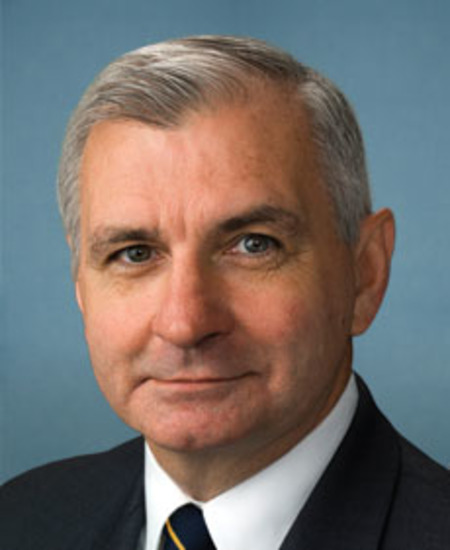
Sen. Jack Reed
Sponsored bills
Maddy summaryS 2287, the Palliative Care and Hospice Education and Training Act, establishes federal funding to expand training for health professionals in palliative and hospice care. The bill creates multiple programs including grants for education programs, fellowships for faculty to gain specialized training, and career incentive awards for students pursuing palliative care specialties. It prioritizes training in rural and underserved areas, for pediatric populations, and for racial and ethnic minorities. The bill authorizes $15 million annually through 2030 to build a more skilled palliative care workforce for patients with serious or life-threatening illnesses.
Maddy summaryThis bill (S 1677, Ensuring Lasting Smiles Act) requires health insurance plans to cover medically necessary treatments for congenital anomalies or birth defects affecting the eyes, ears, teeth, mouth, or jaw. It mandates coverage for reconstructive services, dental/orthodontic care, and related treatments during the course of medical treatment, while excluding purely cosmetic procedures not medically necessary. Plans may apply cost-sharing requirements similar to those for other medical services but must provide notice about these coverage requirements to participants by January 1, 2026. The bill also directs a study on provider network adequacy and cost impacts related to these coverage requirements, to be completed by December 2027.
Maddy summaryThis bill provides temporary funding to ensure Transportation Security Administration employees receive their regular pay, benefits, and allowances during a potential government funding gap in fiscal year 2026. It allows the agency to use Treasury funds to cover salaries and benefits starting February 14, 2026, until a full-year budget is passed or the fiscal year ends on September 30, 2026. The legislation prevents employees from receiving duplicate payments by restricting these funds to periods when no other pay sources are available and requires any costs to be transferred to the permanent budget once enacted. The bill takes effect retroactively as if it were passed on February 13, 2026, to cover the initial days of the potential funding lapse.
Maddy summaryThis bill establishes a collaborative research initiative to study health conditions affecting descendants of veterans exposed to toxic substances during military service. Within 180 days, it requires an interagency task force (including the Agency for Toxic Substances and Disease Registry) to research diagnosis and treatment options for these health conditions. The task force must maintain a public website sharing research findings and evidence reviews on links between specific toxic exposures and health outcomes. It also mandates annual reports on research progress and strategic plan implementation for five years. The bill directly affects descendants of veterans with toxic exposure histories, focusing on evidence-based research rather than immediate healthcare benefits.
Maddy summaryThis bill proposes a new windfall profits tax on crude oil producers and importers, targeting companies that extract or import more than 300,000 barrels of oil per day. The tax rate would be 50% of the amount by which current crude oil prices exceed a baseline set at the 2025 average, with adjustments for inflation in subsequent years. Revenue collected from this tax would be placed in a dedicated fund and then rebated directly to individual taxpayers as a credit against their income taxes. The rebate amount would be calculated quarterly based on the total tax revenue collected and distributed to eligible individuals, with higher amounts for joint filers and income-based phase-outs. The bill applies to oil extracted or imported after December 31, 2025, and includes provisions for territories with mirror tax systems to receive equivalent benefits.
Maddy summaryThis bill provides temporary funding to ensure Transportation Security Administration (TSA) employees continue receiving standard pay and benefits during a potential government funding gap between February 14, 2026, and when regular fiscal year 2026 appropriations are enacted. It directly affects TSA employees who might otherwise face pay interruptions if Congress fails to pass a full-year budget by that date. The bill authorizes using Treasury funds for standard pay, allowances, and benefits during this interim period, with these costs later charged to the appropriate future appropriations. The funding expires automatically on September 30, 2026, or when regular appropriations are passed, whichever occurs first.
Maddy summaryThis bill, titled the Tariff Refunds for Working Families Act, would create a new tax credit for eligible individuals in 2026, providing $600 per adult and $600 per qualifying child. The credit is limited to taxpayers with adjusted gross income below $180,000 for joint filers, $120,000 for heads of household, and $90,000 for other filers. The legislation states that the revenue for these rebates would come from tariffs described as unlawful, including those imposed under the International Emergency Economic Powers Act. Payments would be issued rapidly after enactment, with no interest allowed on the refunds, and the bill includes provisions for coordinating payments with U.S. territories.
Maddy summaryThis bill reorganizes AmeriCorps by converting it from a government corporation into a new executive department called the AmeriCorps Administration. It creates an advisory board with seven members appointed by various officials, including the President and congressional leaders, to guide policy and program oversight. The legislation increases financial benefits for participants, doubling educational awards to twice the average in-state tuition and raising living allowances to 175-210 percent of the federal minimum wage. It also establishes a new National Service Foundation to accept private donations and gifts for the program, and sets a goal of serving one million participants annually by 2036.
Maddy summaryThis bill, the PrEP Access and Coverage Act of 2026, requires most health insurance plans to cover HIV prevention medication without charging patients any cost-sharing fees. It directly affects people enrolled in private insurance, Medicare, Medicaid, and other government health programs by mandating that these plans cover the medication, related lab tests, and follow-up care without requiring prior approval. The law also prohibits insurance companies from denying life, disability, or long-term care insurance to individuals taking HIV prevention medication and requires a public education campaign to increase awareness about the medication.