Maddy summaryHR 3570, the USA CAR Act, would create a new tax deduction for interest paid on auto loans for vehicles assembled in the U.S. It directly affects individual taxpayers who finance qualifying vehicles after January 1, 2025. The bill adds a new "qualified automobile interest" category to the tax code, allowing taxpayers to deduct interest on loans used to buy cars made by manufacturers with final assembly occurring in the United States. This deduction applies only to loans taken out on or after the bill's enactment date for vehicles meeting specific U.S. assembly requirements.
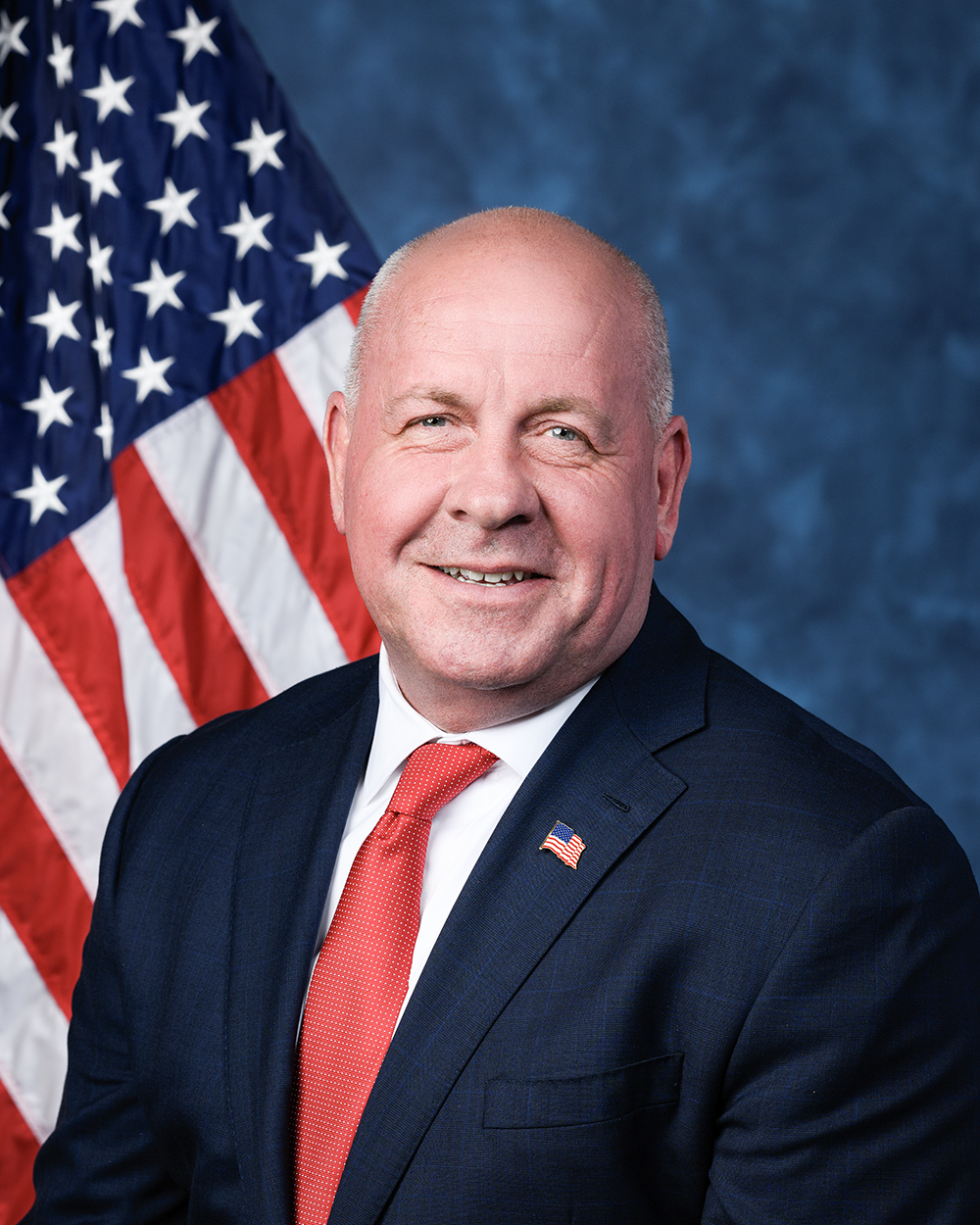
Rep. David J. Taylor
Sponsored bills
Maddy summaryHR 3270, the Air Traffic Control Workforce Development Act of 2025, aims to strengthen the pipeline of air traffic controllers by improving training programs and retention. It provides $20 million annually (2026-2031) for colleges to develop specialized curricula and equipment through the Enhanced-Collegiate Training Initiative program, allowing graduates to be hired noncompetitively as controllers. The bill also establishes a committee to modernize training curricula and the Air Traffic Skills Assessment exam, while creating retention bonuses for certified controllers and mental health training for medical examiners. These changes directly affect colleges offering air traffic control programs, prospective controllers, and current FAA air traffic controllers.
Maddy summaryHR 3313, the Protecting American Farmland Act, prohibits federal agencies from using taxpayer funds to support solar energy projects that convert prime farmland. It also excludes solar installations on prime farmland from multiple federal tax credits, including the residential clean energy credit, production tax credits, and investment tax credits. The bill defines "prime farmland" using existing standards from the Farmland Protection Policy Act, directly affecting solar developers seeking federal funding or tax incentives for projects on such land. These provisions aim to prevent agricultural land conversion for solar energy development by restricting financial incentives.
Maddy summaryHR 3228, the Constitutional Hearing Protection Act, reclassifies firearm silencers as firearms under federal tax law and eliminates their separate registration under the National Firearms Act. It requires the Attorney General to destroy all existing federal silencer registration records within one year and preempts state laws that impose taxes, registration, or recordkeeping requirements on silencers. The bill defines "firearm silencer" and specifies that manufacturers must mark silencers on a "keystone part" with a serial number. This directly affects silencer owners, manufacturers, and state governments by standardizing federal regulation and removing state-level restrictions.
Maddy summaryHR 976, the "1071 Repeal to Protect Small Business Lending Act," would repeal data collection and reporting requirements for small business loans under Section 704B of the Equal Credit Opportunity Act. This specifically removes the mandate for financial institutions - especially community banks and credit unions - to track and submit loan data by business characteristics like race or gender. The bill aims to reduce compliance costs for lenders, which its findings argue limit small business access to credit. The repeal would eliminate these reporting obligations and remove references to the requirement from related federal laws.
Maddy summaryHR 3125, the Rural Broadband Assistance Act, creates a new USDA grant program to help rural communities access broadband internet. It provides funding for private, nonprofit, or public organizations to offer technical assistance and training directly to eligible entities like tribes, state/local governments, schools, nonprofits, and rural cooperatives. Key provisions include helping these groups prepare grant applications, identify funding sources, conduct feasibility studies, collect infrastructure data, and improve broadband facility management. The program prioritizes organizations with proven experience in rural technical assistance and allows national or multi-state applications for community support.
Maddy summaryHR 2981, the USA CAR Act, creates a new federal tax deduction for interest paid on loans used to purchase certain U.S.-assembled vehicles. It directly affects taxpayers who finance new cars meeting specific criteria: the vehicle must be manufactured with final assembly occurring within the United States (as defined by the Automobile Information Disclosure Act). The bill adds a new "qualified automobile interest" category to the tax code, allowing deductions for interest on loans taken out on or after January 1, 2025, for these qualifying vehicles. The deduction applies only to loans secured by the automobile and acquired after the specified date.
Maddy summaryHRES 339 is a non-binding House resolution supporting the Second Amendment and criticizing the Biden administration's firearm-related policies. It does not create new laws or directly affect anyone; instead, it formally disapproves of specific Biden-era actions by the Bureau of Alcohol, Tobacco, Firearms, and Explosives (ATF) and Bureau of Industry and Security (BIS) that the resolution claims restricted constitutional rights. Key provisions include condemning ATF rules limiting firearm access, BIS policies restricting firearm exports, and the Biden administration's "gun control agenda," while commending former President Trump for seeking to reverse these policies. The resolution reaffirms the constitutional right to bear arms but has no legal effect, as it is a symbolic statement of legislative opinion.
Maddy summaryHRES 337 is a symbolic House resolution honoring linemen for their critical role in maintaining power infrastructure and responding to emergencies. It recognizes them as first responders who work in dangerous conditions 24/7 to keep electricity flowing, supporting schools and businesses during storms. The resolution formally supports designating April 18, 2025, as "National Lineman Appreciation Day" to publicly acknowledge their contributions. As a non-binding resolution, it has no direct policy impact or effect on affected individuals.
Maddy summaryThe Fight Fentanyl Act increases annual funding for fentanyl-related law enforcement efforts to $333 million from 2025 through 2030. It requires the Office of National Drug Control Policy to report annually on how HIDTA (High Intensity Drug Trafficking Area) funds target fentanyl trafficking, including seizure data and threat assessments. The bill also mandates the Attorney General to prioritize fentanyl prosecutions by temporarily reassigning U.S. attorneys to these cases. These provisions directly affect federal, state, local, and tribal law enforcement agencies working on fentanyl interdiction and prosecution.