

Maddy summaryHR 6152, the Foreign Robocall Elimination Act, establishes an interagency task force to address foreign robocalls entering the United States. The task force, composed of the FCC, FTC, DOJ, and private sector representatives, will study the origins, impacts, and potential solutions to foreign robocalls and must submit a report to Congress within 360 days. The bill also modifies existing law to require FCC notices about robocall mitigation every three years instead of annually, and introduces a bond requirement for providers using the Robocall Mitigation Database. This legislation affects telecommunications providers, federal agencies, and all U.S. telephone users who receive unwanted calls. The bill aims to improve coordination between U.S. agencies and foreign countries in combating illegal robocalls through concrete policy changes.
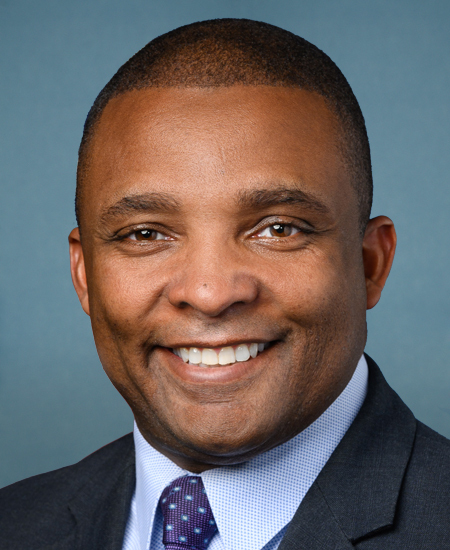
Rep. Donald G. Davis
Sponsored bills
Maddy summaryThis bill would require Medicare to cover early detection screening tests for Alzheimer's disease and related dementias starting January 1, 2028. It defines eligible tests as FDA-cleared genomic blood tests, blood product analyses, or equivalent medical imaging methods (like protein expression or whole genome sequencing) that detect pre-symptomatic or early-stage conditions. Medicare beneficiaries would receive this coverage without cost-sharing for these specific screenings. The bill amends Medicare coverage rules to explicitly include these tests under Section 1861(nnn) of the Social Security Act.
Maddy summaryThe TRAPS Act establishes a federal Task Force on Payment Scams, chaired by the Treasury Secretary, to coordinate efforts across agencies like the FTC, Federal Reserve, and consumer groups. The Task Force will study current scam tactics (such as fake text messages or fraudulent payment platforms), evaluate prevention strategies, and develop recommendations to help consumers avoid and report scams. It must submit an initial report within one year and annual updates, focusing on improving federal-state coordination and education programs. This bill directly affects government agencies and stakeholders participating in the Task Force, with the goal of protecting consumers from evolving payment scams.
Maddy summaryThis bill requires federal agencies to provide small business contractors with interim partial payments of at least 50% of estimated costs when contract terms change without the business's agreement. It directly affects small businesses awarded federal construction contracts and their subcontractors, ensuring they receive upfront funds to cover increased costs from mandated changes. The key mechanism mandates that agencies issue these payments promptly upon valid requests, with small businesses required to pass the funds to relevant subcontractors. The law also specifies that these interim payments do not finalize the adjustment request, preserving the agency's right to review the full claim later.
Maddy summaryHR 1266, the Combating Illicit Xylazine Act, adds xylazine - a veterinary sedative increasingly found in illicit drug mixtures - to Schedule III of the Controlled Substances Act, regulating its use and trafficking. It directly affects veterinarians, animal owners, and manufacturers by allowing xylazine to be legally dispensed for animal use under specific veterinary prescriptions, while prohibiting non-veterinary human use. The bill includes transition periods (60 days for practitioners, 1 year for labeling) to ease compliance for manufacturers and practitioners, and requires the DEA and FDA to expedite necessary applications. It also mandates two congressional reports on xylazine's illicit use and trafficking patterns, and directs the Sentencing Commission to review penalties for offenses involving xylazine.
Maddy summaryThis bill requires all new passenger vehicles manufactured for sale in the U.S. to include AM radio as standard equipment (not an optional add-on) by 2027-2028, depending on manufacturer size. It mandates that AM radio receivers must be easily accessible to drivers and allows compliance through digital AM broadcast technology. During a transition period, manufacturers must clearly label vehicles without AM radio but cannot charge extra for this feature. The bill also mandates a GAO study on AM radio's role in emergency alerts and includes a 10-year sunset provision for the rule. It preempts state laws regarding AM radio access in vehicles.
Maddy summaryThis bill authorizes the Secretary of the Army to transfer approximately 20 acres of land at Fort Bragg in North Carolina to the state government without charge. The property is intended for the construction of a veterans' home under the jurisdiction of the North Carolina Department of Military and Veterans Affairs. The state is required to pay all costs associated with the transfer, including environmental reviews and administrative fees, with any excess prepayments refunded by the federal government. If the land is no longer used for the designated veterans' facility, ownership may revert to the United States at the Secretary's discretion.
Maddy summary# Summary of Digital Commodities and Blockchain Technology Regulatory Framework This comprehensive legislation establishes a new regulatory framework specifically for digital commodities and blockchain technology, creating a balanced approach that protects investors while fostering innovation. ## Key Components 1. **New Regulatory Structure**: - Creates new categories for digital commodity exchanges, brokers, and dealers under the Commodity Futures Trading Commission (CFTC) - Establishes "qualified digital asset custodians" as a new regulatory category - Defines "mature blockchain systems" with special regulatory treatment 2. **Core Requirements**: - Mandates segregation of customer assets and strict custody requirements - Requires robust risk management systems - Sets capital requirements for digital commodity brokers and dealers - Establishes new disclosure and reporting obligations - Defines "blockchain control persons" with special restrictions on selling digital commodities 3. **Innovation-Focused Provisions**: - Creates a "Strategic Hub for Innovation and Financial Technology" (FinHub) at the SEC - Establishes "LabCFTC" as a dedicated innovation lab within the CFTC - Provides exemptions for SEC-registered entities from certain CFTC requirements - Includes provisions for expedited hiring of digital commodities experts 4. **Studies and Research**: - Mandates studies on decentralized finance (DeFi) - Requires a study on non-fungible tokens (NFTs) - Directs a study on financial literacy among digital commodity holders - Requires a study on tokenized securities and derivatives 5. **Exclusions**: - Excludes decentralized finance activities from regulation - Excludes certain blockchain-related activities from regulatory requirements The legislation aims to create a functional regulatory framework that acknowledges the unique benefits and risks of digital commodities while ensuring investor protection, preventing market manipulation, and promoting the responsible development of this emerging technology within the United States. It seeks to prevent the shift of digital commodity development to less regulated countries by establishing a clear, balanced regulatory path.
National Law Enforcement Officers Remembrance, Support and Community Outreach Act. [ sic ] This bill temporarily directs the Department of the Interior to award a grant to the National Law Enforcement Officers Memorial Fund for the expenses associated with operating and enhancing the community outreach, public education, and officer safety and wellness programs of the National Law Enforcement Museum.
Maddy summaryThis House resolution designates September 14 through 20, 2026, as Interscholastic Athletic Administrators' Week to honor the contributions of secondary school athletic leaders. The bill highlights how these administrators support student development in areas such as physical health, academic performance, and emotional well-being. It specifically commends the National Interscholastic Athletic Administrators Association for its role in training professionals who guide over eight million student athletes across the United States.