

Maddy summaryHR 7522, the Improving Access to Nutrition Act of 2026, removes work requirements from the Supplemental Nutrition Assistance Program (SNAP). It directly affects approximately 6.1 million SNAP recipients currently subject to these requirements, including people with health issues, Black Americans disproportionately impacted by such rules, families with children, and individuals experiencing homelessness. The bill amends the Food and Nutrition Act of 2008 by striking subsection (o) and related provisions that mandate work requirements for SNAP eligibility. This change would eliminate a barrier that studies show reduces participation without reducing poverty and increases administrative burdens. The bill does not create new benefits but removes an existing eligibility requirement affecting vulnerable populations.
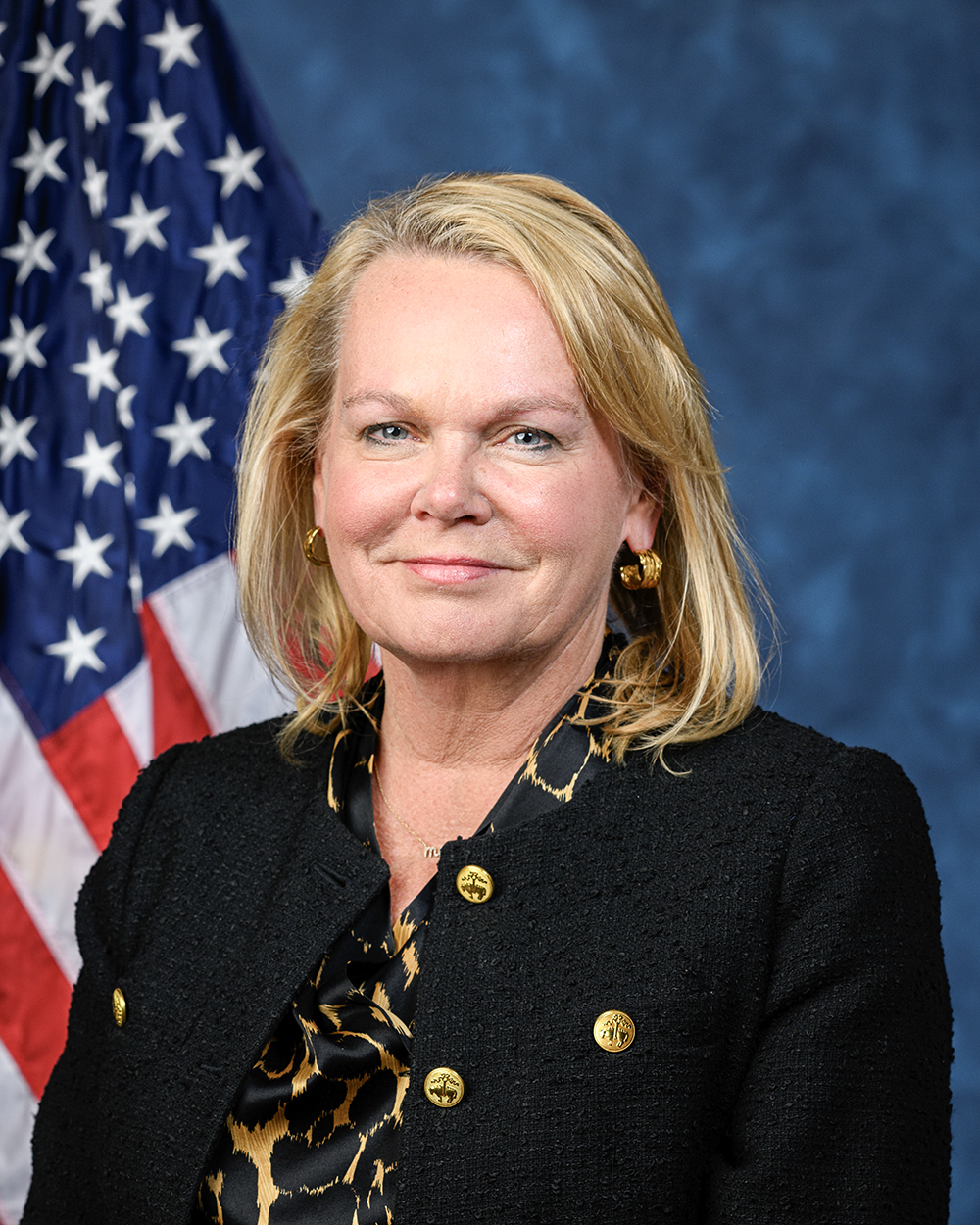
Rep. April McClain Delaney
Sponsored bills
Maddy summaryThis bill establishes a new Office of the Chief Economist within the Commodity Futures Trading Commission (CFTC). The Chief Economist will serve as the agency's primary economic advisor, conducting analysis on regulatory impacts, market structures, and financial data. The bill also grants the CFTC special hiring authority to appoint economists and market specialists to this office without requiring competitive service appointments. This change updates existing CFTC procedures to require coordination with the new office when reviewing market regulations.
Maddy summaryThis resolution recognizes the Islamic holy month of Ramadan and extends well wishes to Muslims in the United States and globally for Eid al-Fitr. It formally acknowledges the significance of Ramadan as a period of fasting, spiritual renewal, and reflection for over 2 billion Muslims worldwide. The document highlights the contributions of American Muslims to society, including their roles in the military, government, and various professional fields. This is a symbolic gesture of respect and solidarity rather than a law that changes policy or requires funding.
Maddy summaryThis resolution supports designating March 21, 2026, as National Women in Agriculture Day to recognize the contributions of women in the agricultural sector. It highlights that over 1.2 million women in the U.S. are agricultural producers, representing more than one-third of all producers, and notes their significant economic impact through farm sales and roles in research, education, and agribusiness. The measure encourages citizens to acknowledge and celebrate women working in agriculture during National Ag Week, aligning with the 2026 International Year of the Woman Farmer.
Maddy summaryThe Energy Bills Relief Act aims to lower household energy costs and accelerate the development of low-cost, clean energy by modifying federal tax credits, expanding weatherization programs, and streamlining permitting processes. Key provisions include restoring tax incentives for renewable energy projects, increasing funding for low-income heating assistance, and requiring federal agencies to treat wind, solar, and storage projects with the same procedural fairness as oil and gas projects. The bill also establishes new incentives for upgrading the electricity grid, such as tax credits for transmission lines and grants for wildfire prevention measures, while creating mechanisms to ensure utilities serve public interests and protect consumers from price volatility.
Maddy summaryThe Feeding Families Not Fear Act of 2026 reverses specific provisions from the One Big Beautiful Bill Act of 2025 by restoring funding and benefits that were previously cut. It directly affects low-income families and individuals who rely on the Supplemental Nutrition Assistance Program (SNAP) by reinstating benefits that were reduced under earlier legislation. The bill achieves this by repealing two sections that increased funding for immigration and customs enforcement and another section that modified SNAP benefits under the Food and Nutrition Act of 2008. By removing these changes, the legislation returns SNAP provisions to their previous state as if the 2025 law had not been enacted.
Maddy summaryThis bill requires the Department of Veterans Affairs (VA) to cover abortion care, counseling, and related medication as part of standard hospital and medical services for eligible veterans and certain dependents. It amends VA healthcare law to explicitly include these services under existing coverage for veterans qualifying under section 1703 and dependents eligible under section 1781(a). The policy directly affects veterans and their dependents enrolled in VA healthcare programs by expanding covered benefits to include abortion-related care. This is a concrete policy change to VA healthcare benefits, not a broader abortion law.
Maddy summaryThe MAWS Act of 2026 establishes a 3-year pilot program (2027-2029) to purchase invasive blue catfish from watermen and seafood processors within the Chesapeake Bay Watershed. It authorizes $2 million annually to fund covered entities - manufacturers of pet food, animal feed, or aquaculture feed - to buy blue catfish caught in the watershed, requiring certification of origin and setting minimum prices based on market factors. The program mandates detailed reporting on environmental impacts, economic effects on watermen, and market responses to inform future policy. This directly supports watermen and processors by creating a market for invasive blue catfish while collecting data for potential expansion to other watersheds.
Governing Unaccredited Representatives Defrauding VA Benefits Act or the GUARD VA Benefits Act This bill imposes fines on individuals for soliciting, contracting for, charging, or receiving any unauthorized fee or compensation with respect to the preparation, presentation, or prosecution of any claim for Department of Veterans Affairs benefits. The attempted commission of such offenses is also punishable by fine.
Maddy summaryThis bill exempts H-1B visa holders working in healthcare from a presidential restriction that requires a $100,000 payment for entry into the United States. It directly affects foreign medical professionals and healthcare workers who hold H-1B nonimmigrant visas. The legislation removes the additional fee requirement for these workers while limiting any fees that may be charged to the standard amount already established under immigration law. The bill defines healthcare workers using the existing definition from the Affordable Care Act and was introduced in the 119th Congress in March 2026.