Maddy summaryThis concurrent resolution formally recognizes the persistent wage gap between Black women and white, non-Hispanic men in the United States. It highlights data showing that Black women earn significantly less than their male counterparts and reaffirms Congress's support for existing laws that prohibit pay discrimination based on sex or race. The document does not create new laws or change policy but serves as a symbolic statement to raise awareness about the economic disparities faced by Black women.
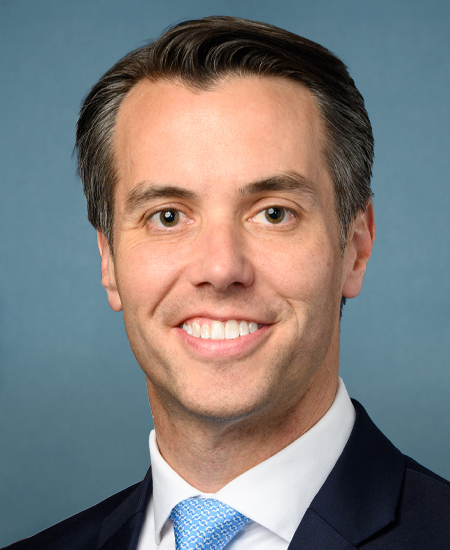
Rep. Morgan McGarvey
Sponsored bills
Maddy summaryThe Justice for Incarcerated Moms Act aims to improve maternal health outcomes for pregnant and postpartum individuals in the criminal justice system by restricting financial incentives for states that use restraints on pregnant inmates. Under the bill, states receiving federal justice grants would face a 25 percent funding penalty if they fail to implement laws limiting the use of shackles on pregnant individuals, with those withheld funds redirected to compliant states. The legislation also directs the Bureau of Prisons and the Department of Justice to create and fund programs in at least six federal facilities and across various state and local prisons that provide specialized prenatal care, mental health support, and reentry assistance. These programs are designed to address specific health disparities, particularly for racial and ethnic minority groups, by offering culturally competent care, nutrition counseling, and opportunities to maintain contact with newborn children. Additionally, the act requires an independent oversight organization to monitor program implementation and mandates a Government Accountability Office report to analyze maternal and infant health data within the correctional system.
Maddy summaryThis bill requires Medicare Advantage plans to implement electronic pre-approval systems for medical services by 2028 and meet transparency reporting standards starting in 2027. Plans must publicly report data on approval/denial rates, appeal outcomes, response times, and technology use for pre-approval requests, including details on how denials relate to clinical criteria. It establishes a 24-hour response timeframe for certain requests and mandates annual reviews of pre-approval requirements based on data and input from seniors and providers. The law directly affects Medicare Advantage plans, seniors enrolled in these plans, and healthcare providers who submit pre-approval requests. These changes aim to make the pre-approval process faster, more transparent, and more accountable for seniors seeking covered medical services.
Maddy summaryThis resolution expresses support for designating July 10th as Journeyman Lineworkers Recognition Day to honor the workers who maintain the nation's electrical grid. The bill specifically recognizes the dangerous conditions these employees face, such as working at heights near live power lines and responding to disasters like hurricanes and wildfires. It also commemorates Henry Miller, the first president of the International Brotherhood of Electrical Workers, who died on July 10, 1896, while performing his duties. Ultimately, the measure encourages the public to observe this day with reflection on the contributions of lineworkers.
Maddy summaryHR 915, the Small Business Technological Act of 2025, expands the use of Small Business Administration (SBA) Section 7(a) loans to cover business software, cloud computing services, and AI-powered tools that handle payroll, HR, sales, billing, accounting, and inventory management. It directly affects small businesses seeking loans for operational technology upgrades, allowing them to use SBA funds for these specific tech services without changing existing loan purposes. The bill amends the Small Business Act to explicitly permit these uses under Section 7(a), clarifying that existing loans for similar purposes before the law's enactment remain valid. It does not expand loan use for research, development, or working capital beyond current definitions.
Maddy summaryThe Sunshine for Our Kids Act of 2026 makes standard time permanent across the United States by repealing the requirement to observe daylight saving time. It allows individual states to choose whether to adopt standard time year-round or to continue observing daylight saving time, provided the entire state observes the same time. This change would eliminate the biannual clock shifts that currently occur in spring and fall.
Maddy summaryThe Jewish American Security Act aims to combat antisemitism by strengthening protections for Jewish students, securing Jewish communities, and increasing transparency regarding online hate speech. For educational institutions receiving federal funds, the bill mandates the creation of specific coordinators to handle discrimination complaints, requires annual training on handling antisemitism, and establishes a new federal clearinghouse to share best practices for campus safety. To support physical security, the legislation expands grant funding for nonprofit organizations and directs the Attorney General to provide resources for law enforcement agencies protecting houses of worship. Additionally, the act requires major online platforms with over 50 million monthly users to submit detailed reports to the Federal Trade Commission on how they detect, remove, and moderate antisemitic content.
Maddy summaryThe Support Our Miners Act updates the monthly disability payments for coal miners suffering from black lung disease to better reflect current living costs. It establishes a new base payment of $1,252.50 per month starting in 2026, which will then increase annually based on inflation data published by the Bureau of Labor Statistics. This legislation directly affects thousands of miners and their families who rely on these benefits for healthcare and financial support, aiming to close the gap between the original 1969 benefit amount and today's economic reality.
Maddy summaryThis bill establishes a National Task Force on Caregiving Youth of Veterans to address the needs of individuals under 26 who provide unpaid care to veterans or active-duty service members with disabilities or illnesses. The task force will include representatives from federal agencies such as the Department of Veterans Affairs, Health and Human Services, Education, and Defense, along with nonprofit advocates. Its primary duties involve conducting a national study on the prevalence and impacts of caregiving, consulting with stakeholders, and developing policy recommendations to improve access to education, mental health support, and financial assistance. Additionally, the group aims to create a standardized database to track these youths and coordinate better support across federal, state, and local resources before the task force concludes its work five years after enactment.
Maddy summaryThis bill directs the Department of Veterans Affairs to raise disability compensation and survivor benefits starting December 1, 2026. The increases will match the percentage adjustment applied to Social Security benefits for that same period. Specifically, the law covers payments for wartime disabilities, clothing allowances, and financial support for surviving spouses and children. The Department must publish the new dollar amounts in the Federal Register once the Social Security adjustments are finalized.