Maddy summaryHRES 855 is a non-binding House resolution expressing support for National Adoption Day (November 22, 2025) and National Adoption Month (November). It promotes awareness about children in foster care awaiting adoption - highlighting that 49,994 U.S. children were waiting for adoptive families in 2023 - and encourages the public to consider adoption. The resolution recognizes that every child deserves a permanent, loving family and urges Americans to support this goal throughout November and the year. As a symbolic gesture, it does not create new laws or policies.
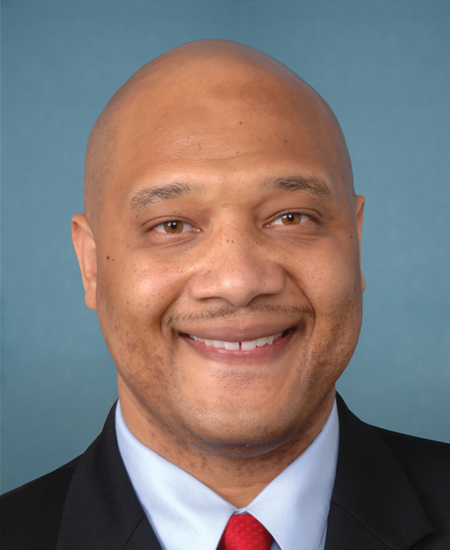
Rep. André Carson
Sponsored bills
Maddy summaryThis joint resolution designates October 2025 as Head Start Awareness Month to symbolically recognize the program's 60-year impact. It highlights Head Start's service to over 40 million children and families nationwide, emphasizing its role in early childhood development, health screenings, and educational support. The resolution serves as a ceremonial acknowledgment of the program's legacy and achievements, not as a policy change or funding measure. It was introduced by multiple representatives to honor Head Start's contributions to child well-being and educational outcomes.
Maddy summaryHRES 846 is a symbolic resolution designating October 2025 as National Domestic Violence Awareness Month. It expresses the House's support for raising awareness about domestic violence and its impacts, and calls for continued congressional attention to ending domestic violence through existing programs. The resolution does not create new laws, allocate funding, or directly affect any specific groups - it is purely a statement of support. It references statistics on domestic violence prevalence but focuses on awareness rather than policy changes.
Maddy summaryThis non-binding resolution (HRES 844) expresses the U.S. House of Representatives' support for designating October 2025 as "Crime Prevention Month." It encourages federal agencies to fund evidence-based crime prevention programs - like youth mentorship, mental health services, and neighborhood safety initiatives - and urges state/local governments to adopt strategies such as Crime Prevention Through Environmental Design. The resolution also commends community workers and calls on all citizens to participate in public safety activities during October. It has no legal effect but aims to raise awareness and foster collaboration across communities, government, and private sectors to reduce crime.
Maddy summaryHRES 843 is a symbolic resolution supporting the designation of October 30 as an "International Day of Political Prisoners" in the United States. It expresses the House's solidarity with global political prisoners - estimated at 1 million - including journalists, activists, and dissidents detained for political reasons without credible charges. The resolution urges the U.S. government to continue efforts to condemn political imprisonment, secure releases through diplomacy, and raise international awareness. It does not create new laws or directly affect specific individuals, as it is a non-binding expression of support for an existing international observance.
Maddy summaryHRES 850 is a symbolic congressional resolution designating November 8, 2025, as "National First-Generation College Celebration Day." It does not create new laws or policies but urges all Americans to recognize and celebrate first-generation college students (those whose parents did not earn bachelor's degrees) and the Higher Education Act of 1965, which established key support programs like TRIO and Pell Grants. The resolution acknowledges these students' unique challenges and contributions to the workforce without imposing any requirements or funding changes. It serves as a formal expression of support for existing initiatives, not a concrete policy action.
Maddy summaryHR 5876, the Keep America Building Act, prevents federal agencies from using funds to halt construction work under government contracts during budget gaps. It directly affects federal contractors and agencies managing construction projects by requiring them to continue work without interruption if a government funding lapse occurs. The key provision bans the use of federal money to suspend, delay, or stop any part of a project covered by a contract during an appropriations lapse. This ensures continuity for ongoing construction projects without requiring new funding approvals during temporary budget shortfalls.
Maddy summaryHouse Resolution 838 recognizes Día de los Muertos (Day of the Dead) as an annual celebration honoring deceased loved ones, particularly within Mexican-American, Latino, and Indigenous communities. The resolution acknowledges the holiday's cultural significance, including its historical roots and role in fostering family bonds, and expresses solidarity with families who have lost loved ones, especially those who died in immigration custody. It urges federal agencies to ensure humane treatment of individuals in immigration custody during cultural observances but does not create new legal requirements or policy changes. As a commemorative resolution, it serves only to symbolically affirm the holiday's importance without altering laws or funding.
Maddy summaryHR 5843, the "Shutdown Student Loans for Feds Act," would pause federal student loan payments for eligible federal employees and certain contractors during any government shutdown lasting 14+ days. It prevents interest from accruing on these loans during the pause and counts the paused months toward loan forgiveness eligibility under existing programs. The bill also requires credit agencies to treat paused payments as if they were made on time. This applies to shutdowns occurring in fiscal year 2026 or later, with retroactive effect covering shutdowns starting September 30, 2025, and potential refunds for payments made during those periods.
Maddy summaryHR 5849, the USCP Act, ensures Capitol Police officers continue receiving pay during government shutdowns. It directs funds from the Treasury to cover Capitol Police salaries and expenses if discretionary funding lapses after the bill's enactment. This directly affects U.S. Capitol Police employees, guaranteeing they are paid even when the federal government is partially closed. The bill provides a specific funding mechanism to prevent pay interruptions during shutdowns. It does not alter Capitol Police duties or create new requirements.