

Maddy summaryThe Pray Safe Act of 2025 establishes a federal Clearinghouse within the Department of Homeland Security to provide houses of worship, faith-based organizations, and nonprofit groups at risk of threats with evidence-based safety resources. The Clearinghouse will publish online best practices for security planning, facility safety, and incident response, while listing existing federal and state grant programs to help these organizations implement these measures. It requires annual updates based on user feedback and includes a centralized resource section for contacts like Protective Security Advisors and Fusion Centers. The program expires four years after enactment and does not create new funding but coordinates existing federal and state safety resources.
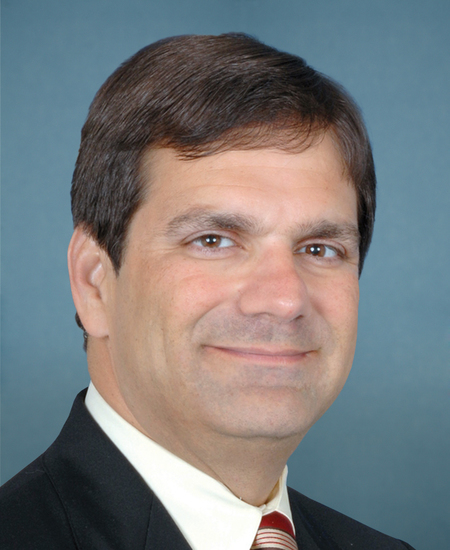
Rep. Gus M. Bilirakis
Sponsored bills
Maddy summaryThe Priority for Pediatric Cures Act permanently extends the authority to award priority review vouchers for drugs and biologics that treat rare pediatric diseases. By amending the Federal Food, Drug, and Cosmetic Act, the bill removes a specific expiration provision that would otherwise limit this incentive program. This change ensures that pharmaceutical companies can continue to receive expedited FDA review in exchange for developing treatments for children with rare conditions.
Maddy summaryThis bill modifies tax rules to provide relief for individuals affected by major disasters. It allows taxpayers to deduct disaster-related losses (like damaged homes or personal property) more easily by creating a new "disaster loss deduction" that combines certain casualty losses and adjusts for income limits. It also excludes wildfire relief payments (such as compensation for lost wages or home damage not covered by insurance) from taxable income for people in federally declared wildfire areas, effective 2026 through 2030. These changes apply to losses incurred in taxable years starting after 2024, specifically for disasters declared between 2025 and 2027.
Maddy summaryThe SAFE for Manatees Act directs the Secretary of the Interior to conduct a study identifying potential new habitats for manatees in Florida as industrial sites are decommissioned and water temperatures change. This study must evaluate natural warm-water locations and explore methods for building artificial warm-water refuges in cooperation with the Army Corps of Engineers and Florida wildlife officials. The bill requires the Interior Department to publish a report on these findings within 180 days of enactment to inform future conservation efforts.
Maddy summaryThis bill, titled the Restore Florida Water Independence Act of 2026, aims to streamline environmental permitting for the State of Florida by recognizing a specific federal biological opinion as fully compliant with the Endangered Species Act. By deeming this existing document sufficient, the legislation eliminates the need for additional federal consultations regarding dredge and fill projects under the Clean Water Act. The primary effect is to allow the Environmental Protection Agency to approve Florida's request to manage its own state-level permitting program without further federal oversight on these specific environmental matters.
Maddy summaryThis bill designates a 34-mile segment of the Myakka River in Sarasota County, Florida, as part of the National Wild and Scenic Rivers System. It classifies specific river segments as "wild" (11.2 miles), "scenic" (multiple segments totaling 22.9 miles), or "recreational" (1.5 miles), based on their natural character. The bill establishes cooperative management through the existing Myakka River Management Coordinating Council and prohibits the Secretary of the Interior from administering the river as a National Park System unit or using land condemnation. It requires the Secretary to work with Florida and local entities to implement a management plan already developed under state law, without altering current land ownership or management authority.
This resolution states that the House of Representatives condemns and denounces socialism in all its forms, including the Democratic Socialists of America, and opposes the implementation of socialist policies in the United States; reaffirms its support for free, fair, and secure elections and calls for enactment of the SAVE America Act; reiterates that American elections are for American citizens only; and recommits itself to upholding the U.S. Constitution.
Maddy summaryThe GUARD Act of 2026 requires U.S. national security agencies to evaluate whether humanoid or quadruped robots made by foreign entities pose a risk to national security. If a robot is determined to be unsafe or comes from a country of concern, the Federal Communications Commission will add it to a banned list, preventing its use in U.S. communications networks. The law mandates that agencies report their findings to Congress within specific timeframes, ensuring transparency about these security assessments. Importantly, the rule does not apply to allies such as NATO members or designated Major Non-NATO Allies.
Maddy summaryThe RESET Act prohibits social media platforms from allowing users under 16 to create or maintain accounts. Platforms must identify existing minor accounts within 60 days of enactment, notify users within 180 days, and terminate accounts within 30 days of notification. Upon termination, platforms must delete all personal data collected from minors and provide a readable, portable copy of that data for 90 days after termination. Enforcement is handled by the Federal Trade Commission and allows states to pursue legal action for violations.
Maddy summaryThe Part D Premium Protection Act of 2026 would establish a temporary premium credit for Medicare Part D prescription drug plan enrollees in 2027. This credit is designed to match the average premium reduction observed during the Part D Premium Stabilization Demonstration program between January 1, 2025, and the end of 2026. Under the bill's provisions, insurance sponsors would charge enrollees their standard premiums minus this specific credit amount, with the floor set at zero dollars. The Secretary of Health and Human Services would then reimburse the sponsors for the difference between the charged premium and the full applicable rate.