

Maddy summarySB 11 creates a legal defense for individuals prosecuted for crimes they committed while being trafficked or subjected to compelling prostitution. It applies specifically to people who engaged in criminal conduct (like selling drugs or theft) because they were forced, defrauded, or coerced by traffickers - meeting four strict conditions, such as proving the coercion was unavoidable and the crime wouldn't have occurred without it. The defense does not apply to certain serious offenses listed in law or to cases where the victim had other options. This change only affects prosecutions for crimes committed on or after the bill’s effective date (September 17, 2025), not past cases. It aims to prevent trafficked victims from facing punishment for acts they were compelled to commit.
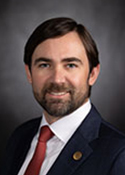
Rep. Stan Gerdes
Sponsored bills
Maddy summaryHB 4 establishes new congressional district boundaries for Texas' U.S. House elections, effective September 5, 2025. It directly affects Texas voters by determining which geographic areas elect their U.S. representatives in the next election cycle. The bill implements the redistricting plan approved by the Texas Legislature, replacing the previous district map used for congressional elections. This is a procedural change to voting district lines, not a substantive policy.
Maddy summarySB 1, the Heaven's 27 Camp Safety Act, requires youth camps (for minors on a day care or boarding basis) to comply with new safety standards. It prohibits issuing or renewing licenses for youth camps operating cabins within floodplains, except when cabins are near still water bodies like lakes or ponds that aren't connected to streams or rivers. The law also mandates annual license renewals for camps that alter boundaries, build new cabins, or renovate existing cabins affecting bed counts or access. Additionally, it creates an online registry of all licensed youth camps for public transparency. These provisions directly affect youth camp operators and the Texas Department of Health and Safety.
Maddy summaryHB 1, the Youth CAMPER Act, requires youth camp operators to submit updated plans when altering camp boundaries, building new cabins, or renovating existing cabins that change bed counts or access points. It also mandates the state health department to establish minimum staff-to-camper ratios for overnight stays at youth camps. The bill authorizes penalties for noncompliance but does not specify penalty amounts in the provided text. This law directly affects licensed youth camps operating on a boarding or overnight basis in Texas, focusing on physical safety planning and staffing standards.
Maddy summaryHR 128 amends Texas House rules to impose specific penalties on members who absent themselves without permission to disrupt legislative proceedings. It directly affects House members who deliberately skip sessions to hinder the House's work. Key provisions include a daily fine of $1,500 (three times the standard $500 per diem), reimbursement for sergeant-at-arms costs to secure attendance, loss of committee leadership roles, and potential seniority recalculation for repeated absences. Penalties apply only when absence is proven to impede House business, and members retain constitutional rights to representation.
Maddy summaryHB 27 requires the Texas Water Development Board to study groundwater sustainability in the Neches and Trinity Valleys Groundwater Conservation District. The study must determine the maximum annual groundwater production without harming the aquifer's modeled available water and assess impacts on local water flows. The bill imposes a temporary moratorium on new permits or permit amendments for groundwater transfer out of the district until the study report is submitted by January 12, 2027. This moratorium applies only to the Neches and Trinity Valleys District and expires on September 1, 2027. The bill directly affects groundwater permit applicants and the district's permitting authority.
Maddy summaryHB 265 strengthens Texas youth camp oversight by requiring the health department to review camp safety rules by April 2026, in consultation with a newly structured advisory committee. The committee must include nine members representing emergency management, law enforcement, pediatric care, child psychology, abuse prevention, camp operators, parents, and geographic diversity. The bill mandates camp operators to provide safe facilities and conduct annual criminal background checks on staff, including sex offender database verification. These provisions directly affect youth camp operators, staff, and campers by establishing clearer safety standards and oversight mechanisms.
Maddy summaryHB 295 changes Texas election rules for voters who move within their county but haven't updated their registration. It allows voters to cast ballots in their current precinct immediately after submitting a statement verifying their new address and meeting residency requirements, instead of waiting 30 days for registration changes to take effect. The bill requires voters to provide the same information needed for initial registration, including their current address and a statement confirming they reside in the precinct. This applies only to address change notices submitted after the bill's effective date. The law affects voters who relocate within their county but haven't updated their registration records.
Maddy summaryHB 3 establishes the Texas Interoperability Council to coordinate statewide emergency communication systems, ensuring police, fire, and medical responders can communicate during crises. The bill creates a grant program administered by the council to help local governments (cities, counties, and emergency districts) purchase interoperable radio equipment and build compatible infrastructure. Key provisions require the council to develop a strategic plan for emergency communications and prioritize funding for equipment that works across different agencies. This directly affects local public safety agencies by mandating new communication standards and providing financial support for system upgrades.
Maddy summarySB 2 allows justices of the peace in counties without medical examiners to skip autopsies for deaths caused by natural disasters (like hurricanes or floods), provided they confirm: 1) the death resulted from disaster injuries, 2) no unlawful act caused it, and 3) no family member is seeking an autopsy. It requires the state to create a training program for these justices on managing mass fatality events, including autopsy decisions, body documentation, and coordinating with agencies. The law expires April 1, 2027, and directly affects local officials handling disaster-related deaths in rural counties. The bill does not impose licensing or fees, as implied in its title but not reflected in the actual text.