

Issue · Transportation
Transportation
Every transportation bill, vote, and legislator stance in Texas, automatically classified by Maddy, our AI policy reader.
Total bills
108
119th Congress
Top supporter
Greg Casar
70% support rate
Top opponent
John Cornyn
33% support rate
Ranked legislators
10
5 support · 5 oppose
Key legislators
Who's moving transportation in Texas
| Legislator | Party | Stance | Support rate | Votes |
|---|---|---|---|---|

Greg Casar
House · District 35
|
D |
Support
|
70% | 105 |
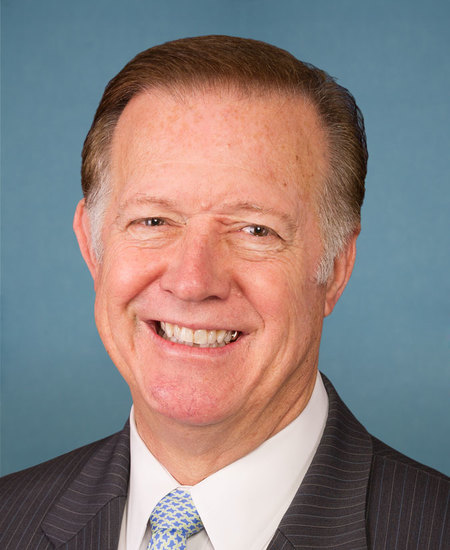
Randy K. Weber, Sr.
House · District 14
|
R |
Support
|
69% | 118 |

Dan Crenshaw
House · District 2
|
R |
Support
|
64% | 113 |

Monica De La Cruz
House · District 15
|
R |
Support
|
64% | 114 |

Brian Babin
House · District 36
|
R |
Support
|
60% | 123 |
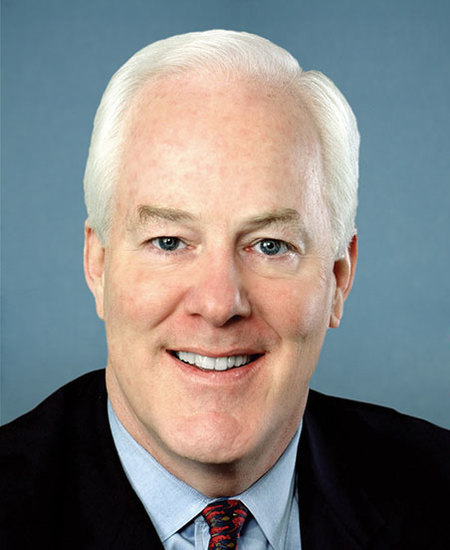
John Cornyn
Senate
|
R |
Oppose
|
33% | 153 |

Chip Roy
House · District 21
|
R |
Oppose
|
36% | 118 |
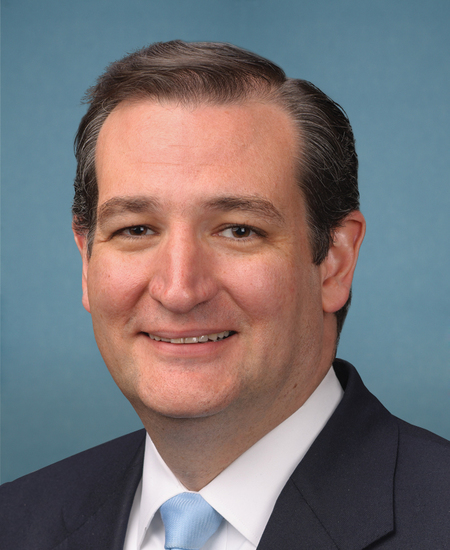
Ted Cruz
Senate
|
R |
Oppose
|
36% | 148 |

Wesley Hunt
House · District 38
|
R |
Oppose
|
38% | 80 |

Michael T. McCaul
House · District 10
|
R |
Mixed −
|
45% | 112 |
Showing 1–10 of 108
bills
All transportation bills
HR 10050: Uniform Vehicle Safety Standards Act of 2026
HRES 1425: Original Resolution Honoring Transportation Security Officers for their Sacrifice and Dedication to Public Service During Federal Government Shutdowns
HR 9911: Shipbuilding Investment and Workforce Act
Topics
✓ Budget & TaxesSupports Budget & TaxesBill creates tax incentives and designates opportunity zones to encourage investment in maritime industries, advancing fiscal goals through targeted economic development.
✓ TransportationSupports TransportationBill creates tax incentives for maritime industries, including shipyards and ports, which are critical components of transportation infrastructure.
HR 9898: Transportation for Reentry Act
Topics
✓ Criminal JusticeSupports Criminal JusticeBill mandates free transit for released prisoners to aid reintegration and reduce recidivism, a core criminal justice reform goal.
✓ TransportationSupports TransportationBill mandates free public transit for released prisoners, expanding access and strengthening public transportation services.
HR 9320: All in For Attendance Act
Topics
✓ EducationSupports EducationBill aims to reduce absenteeism and improve student access through support strategies and community partnerships.
✓ TransportationSupports TransportationBill requires schools to partner with community organizations to remove barriers like transportation, indicating support for addressing transportation access issues.
HR 9250: Great American Outdoors Act 250
Topics
✓ Budget & TaxesSupports Budget & TaxesBill establishes a dedicated funding mechanism for federal land maintenance using recreation fees and energy income, directly strengthening fiscal management for public services.
✓ EnvironmentSupports EnvironmentBill funds infrastructure repair on federal lands, directly supporting conservation and environmental protection.
✓ TransportationSupports TransportationBill funds repair of critical infrastructure including roads and trails managed by federal agencies, directly advancing transportation maintenance.
HR 9338: Pipeline Safety Authorization Act of 2026
Topics
✓ EnergySupports EnergyBill strengthens pipeline safety oversight and infrastructure protection, reducing risks to energy systems.
✗ EnvironmentOpposes EnvironmentBill strengthens pipeline safety regulations and increases penalties, which generally supports environmental protection by reducing leak risks, though it also clarifies exemptions for rural systems.
✓ TransportationSupports TransportationBill strengthens pipeline safety oversight and establishes a confidential data-sharing system to enhance transportation safety standards.
Sub-Topics
Pipeline Infrastructure
HR 9037: To direct the Administrator of the Federal Aviation Administration to improve and expand electronic filing capabilities for Federal Aviation Administration Form 337, and for other purposes.
Topics
✓ TechnologySupports TechnologyBill modernizes FAA filing by enabling digital submission and third-party software integration, directly advancing technology adoption.
✓ TransportationSupports TransportationBill modernizes FAA Form 337 filing, enhancing aviation safety and operational efficiency through digital upgrades.
HR 9036: American High-Speed Rail Act
Topics
✓ Budget & TaxesSupports Budget & TaxesBill explicitly authorizes billions in federal grants to fund high-speed rail projects, directly advancing the budget topic through increased government spending.
✓ EnvironmentSupports EnvironmentHigh-speed rail reduces reliance on fossil-fuel-powered cars and trucks, lowering greenhouse gas emissions and promoting sustainable transportation.
✓ TransportationSupports TransportationBill explicitly expands federal funding and streamlines regulations for high-speed rail projects, directly advancing transportation infrastructure.
Sub-Topics
Rail