Issue · Energy

Energy

Every energy bill, vote, and legislator stance in Texas, automatically classified by Maddy, our AI policy reader.

Total bills
80
119th Congress
Top supporter
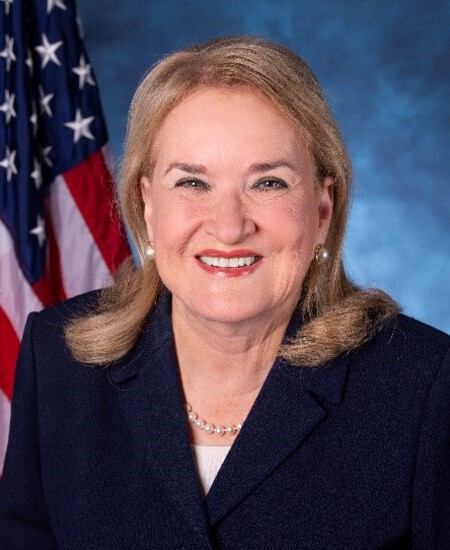
Sylvia R. Garcia
72% support rate
Top opponent
Chip Roy
27% support rate
Ranked legislators
10
5 support · 5 oppose
Key legislators

Who's moving energy in Texas

Legislators moving energy in Texas
Legislator Party Stance Support rate Votes
Sylvia R. Garcia
Sylvia R. Garcia House · District 29
D
Support
72% 243
Joaquin Castro
Joaquin Castro House · District 20
D
Support
69% 255
Al Green
Al Green House · District 9
D
Support
69% 260
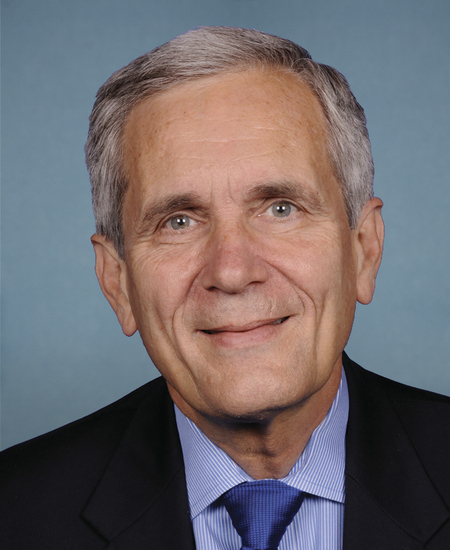
Lloyd Doggett
Lloyd Doggett House · District 37
D
Support
69% 258
Jasmine Crockett
Jasmine Crockett House · District 30
D
Support
68% 246
Chip Roy
Chip Roy House · District 21
R
Oppose
27% 251
Craig A. Goldman
Craig A. Goldman House · District 12
R
Oppose
30% 259
Brandon Gill
Brandon Gill House · District 26
R
Oppose
30% 257
Morgan Luttrell
Morgan Luttrell House · District 8
R
Oppose
30% 260
Pat Fallon
Pat Fallon House · District 4
R
Oppose
30% 256
Showing 1–10 of 80 bills

All energy bills

in committee · United States · House Aug 24, 2026

HR 10139: Ratepayer Bill of Rights Act of 2026

The Ratepayer Bill of Rights Act of 2026 requires large data centers to disclose their electricity and water usage while ensuring they pay for all infrastructure costs without shifting expenses to households, farms, or small businesses. The bill establishes ten specific rights for ratepayers, including protections against cost-shifting, guarantees of reliable water and power during emergencies, and requirements for independent assessments before new facilities are approved. It mandates that data centers post financial security and sign binding agreements to cover project-driven costs, with refunds required if any improper charges are passed on to the public. Enforcement is shared between federal agencies like the Federal Energy Regulatory Commission and the Environmental Protection Agency, while state and local governments retain authority over utility rates and land use.
Sub-Topics Utility Regulation
in committee · United States · House Sep 3, 2026

HR 10262: 21st Century SPR Act

The 21st Century Strategic Petroleum Reserve Act requires the Secretary of Energy to request that the National Petroleum Council submit a report to Congress within one year. This report must analyze opportunities to modernize the physical infrastructure and operations of the Strategic Petroleum Reserve to better handle supply shocks. Key areas for analysis include expanding geographic distribution, storing refined petroleum products, eliminating mandated sales, and increasing storage capacity and pipeline flow capability. The legislation also mandates an evaluation of the Life Extension II project and requires that the final report be made publicly available.
in committee · United States · House Aug 6, 2026

HR 10063: Green New Deal for Public Housing Act

The Green New Deal for Public Housing Act directs the Department of Housing and Urban Development to provide grants to public housing agencies and tribal entities for the comprehensive rehabilitation, energy upgrades, and modernization of public housing stock. These funds are intended to transform properties into zero-carbon homes by installing renewable energy systems, electrifying appliances, and repairing infrastructure, while also establishing workforce development programs that offer training, apprenticeships, and stipends to residents and local low-income workers. The bill mandates strict labor standards, including prevailing wages and the use of U.S.-made materials, and requires agencies to maintain or increase the total number of public housing units while prioritizing resident participation through elected councils and community engagement processes.
in committee · United States · House Jul 22, 2026

HR 9838: National Security Interstate Pipeline Act

This bill, titled the National Security Interstate Pipeline Act, allows the President to designate specific oil and natural gas pipelines as critical to national security, thereby placing them under exclusive federal control for siting and permitting. Once designated, the Federal Energy Regulatory Commission becomes the sole lead agency responsible for approving these projects, bypassing state and local regulations that could delay construction. The legislation also grants pipeline companies the right to use eminent domain to acquire necessary land after a good-faith negotiation attempt and permits the President to waive certain environmental laws if delays threaten national defense. Additionally, the bill sets strict timelines for federal and state agencies to complete reviews, deeming requirements satisfied if actions are not taken within specified periods, while requiring the President to report these designations and waivers to Congress.
in committee · United States · House Jul 22, 2026

HR 9827: Wildfire Reduction Market Expansion Act of 2026

The Wildfire Reduction Market Expansion Act of 2026 updates the Clean Air Act to broaden the definition of renewable biomass eligible for carbon credits. It specifically allows materials from forest management, such as slash, storm debris, and wood residuals, to be counted as renewable fuel if they come from sustainably managed lands or public forests designated for fuel reduction. The bill also includes vegetation cleared from defensible space around buildings and from wildfire risk reduction projects in the wildland-urban interface. By clarifying these categories and establishing certification requirements, the legislation aims to increase the supply of biomass available for generating renewable energy credits.
in committee · United States · Senate Jun 24, 2026

S 4944: American Energy and Mineral Infrastructure Act of 2026

The American Energy and Mineral Infrastructure Act of 2026 streamlines the permitting process for natural gas pipelines and other energy projects by designating the Federal Energy Regulatory Commission as the sole lead agency for environmental reviews and establishing strict deadlines for federal and state agencies to complete their portions of the review. The bill also modifies water quality laws to reduce the number of required certifications for discharges into navigable waters, extends the validity of certain nationwide permits for dredged or fill material from five to ten years, and creates a new fund to address abandoned hardrock mines. Additionally, the legislation updates the National Environmental Policy Act to limit the scope of environmental reviews to effects directly caused by a project, impose specific timelines for agency decisions, and restrict the ability of courts to issue injunctions that would halt construction while legal challenges are pending.
in committee · United States · Senate Jun 18, 2026

S 4827: POWER ON Act of 2026

The POWER ON Act of 2026 extends the funding authorization for the Department of Energy's Grid Resilience and Innovation Partnerships program. Originally set to expire in 2026, the bill updates the timeline so that this funding will now run through 2031. This legislative change directly affects the Department of Energy and the private sector partners that receive grants to improve the reliability of the electric grid. By reauthorizing these specific provisions, the bill ensures continued financial support for projects aimed at strengthening the nation's power infrastructure without altering the program's existing scope or requirements.
in committee · United States · House Jun 18, 2026

HR 9337: Hydropower Licensing Affordability Act

The Hydropower Licensing Affordability Act amends the Federal Power Act to modify how federal licenses for hydropower projects are issued. Specifically, it requires that license conditions include measures to reasonably mitigate direct adverse effects on federal reservations and fish populations within applicable river systems. These changes aim to ensure that new or existing hydropower projects address environmental impacts on protected lands and aquatic species before a license is granted. The bill directly affects hydropower project developers and federal agencies responsible for licensing and environmental oversight.
Sub-Topics Hydroelectric Tags Licensing
in committee · United States · House Jun 9, 2026

HR 9219: National Defense Infrastructure Protection Act of 2026

The National Defense Infrastructure Protection Act of 2026 empowers the Secretary of Defense to designate specific energy and logistics facilities as "certified infrastructure" essential for military fuel supply and readiness. Once certified, these facilities receive legal protections that make it significantly harder for states, local governments, or private parties to stop or delay their construction or operation through lawsuits. The bill mandates that any legal challenge to certified infrastructure be moved to federal courts, requires a high standard of proof to halt operations, and ensures expedited court timelines to prevent delays. Additionally, the law allows operators to recover attorney fees if they win a legal battle against interference and establishes a rebuttable presumption that previously certified facilities continue to meet defense needs.
in committee · United States · House Jul 21, 2026

HR 9335: Advanced Transmission Technology to Reduce Rates Act

The Advanced Transmission Technology to Reduce Rates Act directs the Department of Energy to create a public clearinghouse that lists projects, funding options, and analyses regarding advanced transmission technologies. This resource is designed to assist electric utilities, transmission organizations, and state regulators in planning deployments and understanding the potential impacts on grid efficiency and costs. Additionally, the bill allows certain funding actions for these technologies to be exempt from standard environmental review requirements and requires the Department to establish best practices for reducing wildfire risks from power lines. Crucially, the legislation explicitly states that these measures are informational and do not grant the government authority to force utilities to adopt specific technologies or follow the new wildfire safety guidelines.
Showing 1 to 10 of 80 bills
1 2 3 8 Next