Issue · Criminal Justice

Criminal Justice

Every criminal justice bill, vote, and legislator stance in Texas, automatically classified by Maddy, our AI policy reader.

Total bills
262
119th Congress
Top supporter
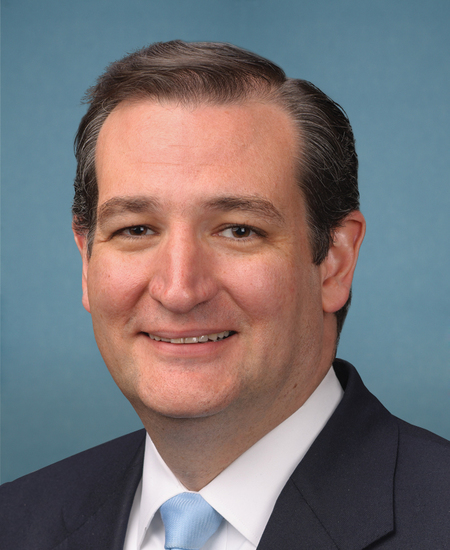
Ted Cruz
77% support rate
Top opponent
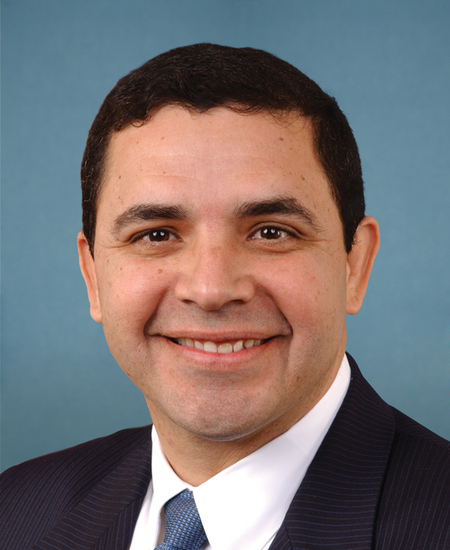
Henry Cuellar
30% support rate
Ranked legislators
10
5 support · 5 oppose
Key legislators

Who's moving criminal justice in Texas

Legislators moving criminal justice in Texas
Legislator Party Stance Support rate Votes
Ted Cruz
Ted Cruz Senate
R
Support
77% 158
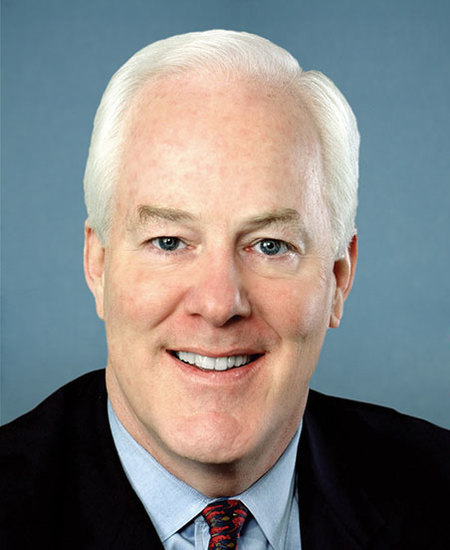
John Cornyn
John Cornyn Senate
R
Support
74% 170
Jasmine Crockett
Jasmine Crockett House · District 30
D
Support
64% 148
Lizzie Fletcher
Lizzie Fletcher House · District 7
D
Support
63% 154
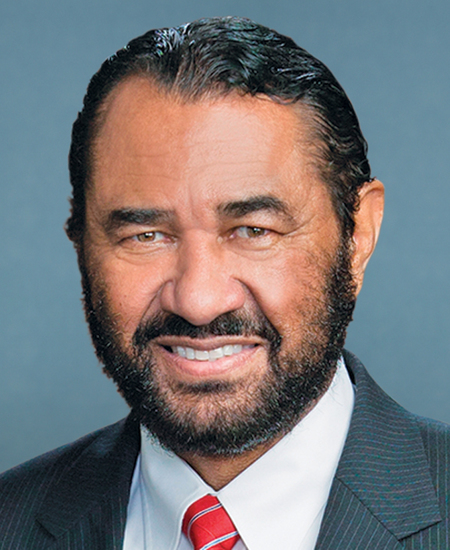
Al Green
Al Green House · District 9
D
Support
63% 153
Henry Cuellar
Henry Cuellar House · District 28
D
Oppose
30% 152
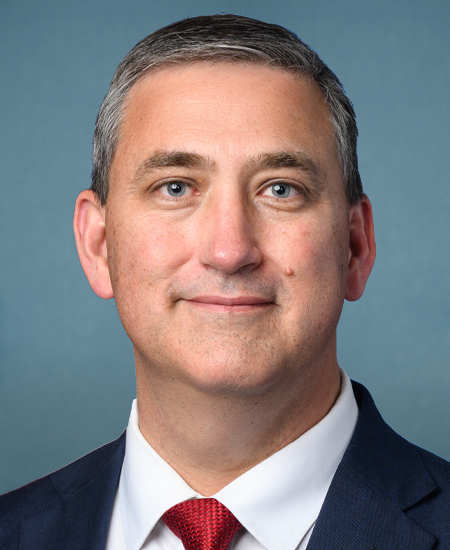
Jodey C. Arrington
Jodey C. Arrington House · District 19
R
Oppose
32% 151
Brandon Gill
Brandon Gill House · District 26
R
Oppose
32% 149
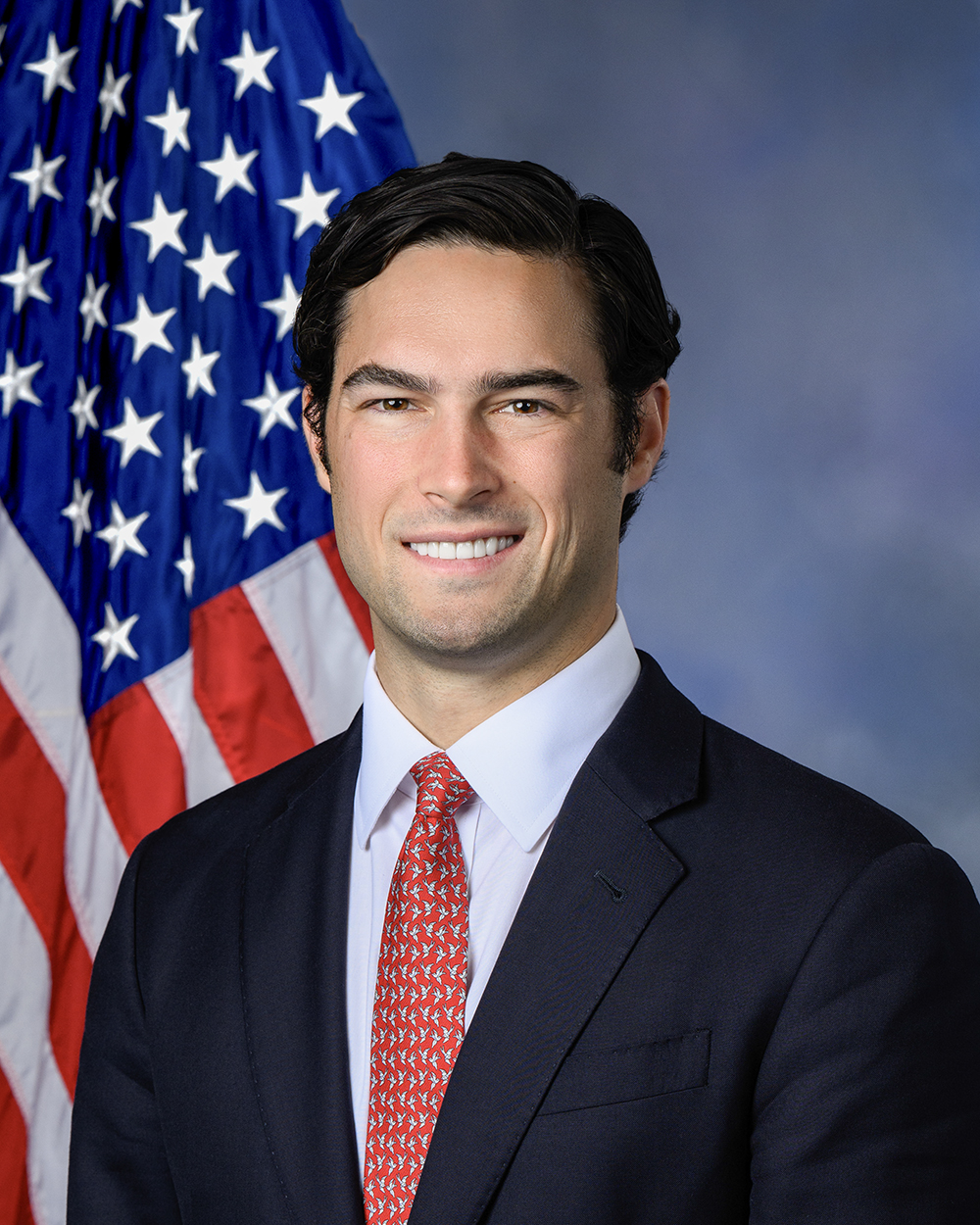
Nathaniel Moran
Nathaniel Moran House · District 1
R
Oppose
36% 149
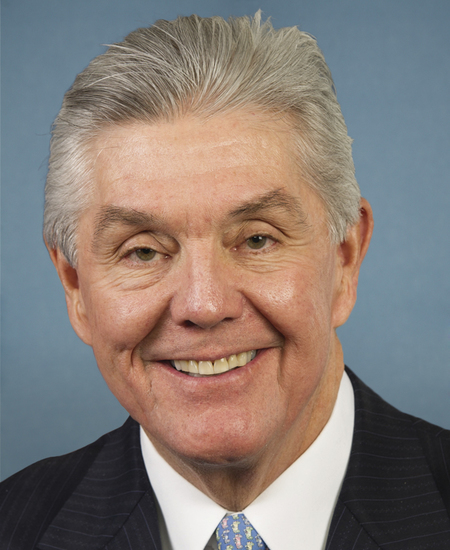
Roger Williams
Roger Williams House · District 25
R
Oppose
36% 148
Showing 1–10 of 262 bills

All criminal justice bills

in committee · United States · House Sep 8, 2026

HR 10317: Inventory Act of 2026

The Digital Asset Inventory and Audit Act of 2026 requires all federal agencies to scan seized electronic devices and data for cryptocurrency private keys and other digital assets within 180 days of enactment. The bill mandates that these assets be securely stored, with the Attorney General responsible for developing technical standards and training programs for law enforcement and forensic examiners. Federal agencies must conduct annual audits to verify secure custody and report their findings to Congress, while the Government Accountability Office will perform broader compliance reviews every three years. Funding for the necessary digital forensic tools is authorized through amendments to existing federal forfeiture funds.
Sub-Topics Law Enforcement
in committee · United States · House Sep 3, 2026

HR 10272: End Gas Station Heroin Act

The End Gas Station Heroin Act amends the Controlled Substances Act to place 7-hydroxymitragynine and mitragynine pseudoindoxyl in Schedule I, while exempting naturally occurring kratom products that meet specific low-concentration limits. The bill also creates a new enforcement mechanism for emerging synthetic opioids by treating them as Schedule I controlled substances when they are manufactured or distributed commercially. This provision applies to synthetic opioids that are more potent than morphine and not approved for medical use, but it explicitly prohibits criminal or civil penalties for simple possession or personal use.
Sub-Topics Drug Policy
in committee · United States · House Jul 21, 2026

HR 9817: Justice for Incarcerated Moms Act

The Justice for Incarcerated Moms Act aims to improve maternal health outcomes for pregnant and postpartum individuals in the criminal justice system by restricting financial incentives for states that use restraints on pregnant inmates. Under the bill, states receiving federal justice grants would face a 25 percent funding penalty if they fail to implement laws limiting the use of shackles on pregnant individuals, with those withheld funds redirected to compliant states. The legislation also directs the Bureau of Prisons and the Department of Justice to create and fund programs in at least six federal facilities and across various state and local prisons that provide specialized prenatal care, mental health support, and reentry assistance. These programs are designed to address specific health disparities, particularly for racial and ethnic minority groups, by offering culturally competent care, nutrition counseling, and opportunities to maintain contact with newborn children. Additionally, the act requires an independent oversight organization to monitor program implementation and mandates a Government Accountability Office report to analyze maternal and infant health data within the correctional system.
in committee · United States · House Jul 23, 2026

HR 9898: Transportation for Reentry Act

The Transportation for Reentry Act requires transit agencies receiving federal funding to offer free public transportation to individuals released from prison after serving at least one year. Under this bill, these agencies must provide the service for one year starting from the person's release date and cover costs related to program setup, staff training, and outreach. To receive federal grants, transit recipients must establish enrollment systems, track usage data, and ensure compliance with the program's duration requirements. The legislation authorizes $40 million annually from 2027 to 2031 to support these efforts and mandates a final report on the program's impact five years after enactment.
in committee · United States · House Jun 30, 2026

HR 9567: Preserving Our Constitution Act of 2026

The Preserving Our Constitution Act of 2026 prohibits federal courts and government agencies from recognizing or enforcing foreign laws, religious codes, or customs that conflict with the U.S. Constitution. Specifically, it bars the application of rules that discriminate based on race, religion, or gender; restrict freedom of speech or religion; permit forced or underage marriages; or allow cruel punishments and human sacrifice. The bill also prevents U.S. courts from enforcing contracts that choose to apply such incompatible foreign laws or from honoring judgments made by foreign tribunals using those laws. While the legislation establishes these strict prohibitions, it does not create a new private right for individuals to sue for damages if the rules are violated.
in committee · United States · House Jul 6, 2026

HR 9591: Extreme Temperatures Injustice in Prisons Act of 2026

The Extreme Temperatures Injustice in Prisons Act of 2026 requires the Bureau of Prisons to upgrade heating, ventilation, and air conditioning systems in all correctional facilities and install temperature monitoring devices in every occupied space. The bill mandates the creation of written standards to prevent heat and cold stress, provides free cooling and heating supplies to inmates during dangerous weather, and establishes specific protective rules for medically vulnerable populations. Additionally, the legislation requires regular reports to Congress on system costs and temperature-related illnesses, while authorizing funding through fiscal year 2031 to support these safety improvements.
Sub-Topics Corrections
in committee · United States · House Jul 22, 2026

HR 9873: Inclusive Democracy Act of 2026

The Inclusive Democracy Act of 2026 mandates that individuals with criminal convictions retain their right to vote in federal elections and requires prisons, jails, and probation offices to notify incarcerated or supervised individuals of this right. The bill establishes specific procedures for voter registration and absentee voting within carceral settings, including expedited transmission of forms and the ability to use either a prison address or a last known address for registration. It also prohibits states from rejecting ballots or registration applications based on late mailing dates or electronic submission methods and ensures that election materials and nonpartisan voter registration services can be distributed inside correctional facilities.
Sub-Topics Corrections Probation & Parole Tags Elections
in committee · United States · House Jul 3, 2026

HR 9579: Department of Homeland Security Office for Civil Rights and Civil Liberties Authorization Act

This bill establishes a new Office for Civil Rights and Civil Liberties within the Department of Homeland Security, led by an Officer who reports directly to the department head. The Office is tasked with overseeing compliance with civil rights laws, reviewing potential abuses or profiling by employees, and integrating these protections into all department policies and programs. It grants the Officer authority to investigate complaints, issue public reports on findings, and coordinate with other officials to ensure diverse communities are engaged effectively. Additionally, the legislation requires each major department unit to have its own civil rights officer and mandates annual reporting to Congress on the Office's activities and progress.
Sub-Topics Civil Rights Tags Civil Liberties
in committee · United States · Senate Jul 16, 2026

S 5024: Stop PRC Economic Espionage Act of 2026

The Stop PRC Economic Espionage Act of 2026 expands the definition of a foreign instrumentality under U.S. law to include entities domiciled in covered nations, in addition to those substantially owned by foreign governments. This change directly affects investigations into economic espionage by broadening the scope of organizations that can be legally classified as foreign agents for the purpose of criminal prosecution. By amending the United States Code, the bill ensures that companies based in specific foreign countries are treated with the same scrutiny as those owned by foreign governments when accused of stealing trade secrets. The provision relies on existing definitions of covered nations found in the National Defense Authorization Act to determine which countries are included in this expanded category.
in committee · United States · House Jul 21, 2026

HR 9800: Protection Against Mass Surveillance Act

The Protection Against Mass Surveillance Act prohibits federal agencies from buying, using, or contracting for automated surveillance systems that rely on license plate recognition, facial recognition, biometric identification, or other technologies designed for mass tracking. It also prevents state, local, and tribal governments from using federal funds to acquire or operate these same surveillance tools. If federal agencies obtain data in violation of these rules, the law requires them to delete the information within 30 days and bars its use as evidence in any court or administrative proceeding.
Showing 1 to 10 of 262 bills
1 2 3 27 Next