Maddy summaryThe Problem Solvers MAPS Act requires states to draw congressional districts that are contiguous, compact in shape, and nearly equal in population. It prohibits mapmakers from creating boundaries intended to advantage or disadvantage specific candidates, incumbents, or political parties. Additionally, the law mandates that state officials consider preserving existing political subdivisions like counties, cities, and tribal land boundaries when establishing new districts. These rules apply to any congressional district created on or after the date the act is signed into law.
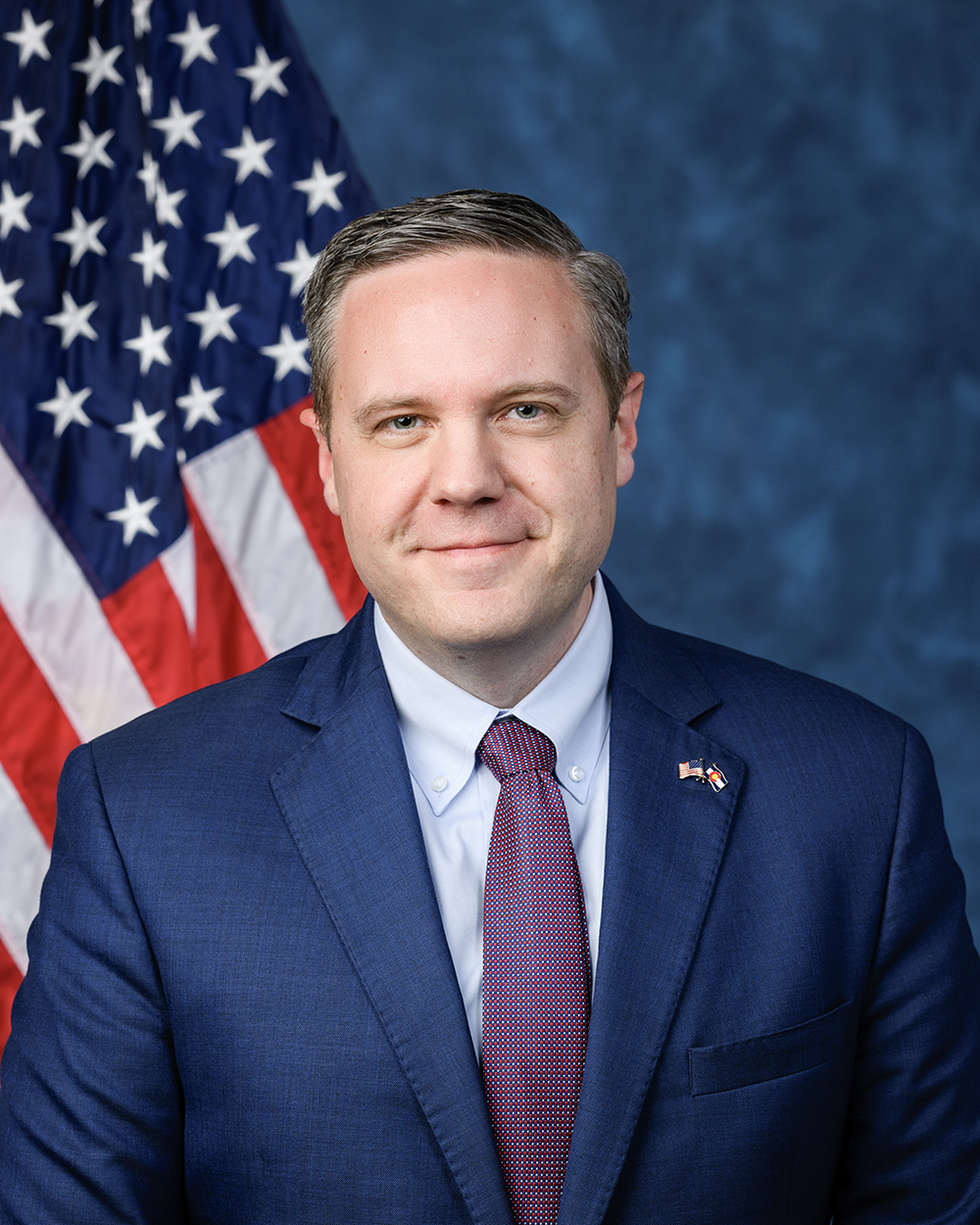
Rep. Jeff Hurd
Sponsored bills
Maddy summaryThe Problem Solvers TRUST Act would prohibit states from changing their U.S. House of Representatives district maps during the ten-year period following a census, unless a court orders new lines to comply with federal or state constitutional requirements. If such a court order is issued, the state must make changes that result in the smallest possible alteration to the existing map. The bill also sets a one-year deadline for filing legal challenges against a redistricting plan after it becomes law. These rules would apply to congressional redistricting occurring after the November 2032 federal elections and would not affect how states draw districts for local or state offices.
Maddy summaryThe Indian Health Service Emergency Claims Parity Act amends existing federal law to change how quickly the Indian Health Service must be notified about emergency medical care. Specifically, it requires that the time limit for reporting such treatment or hospital admission be at least 15 days, provided the care is received from a non-government provider or in a non-government facility. This change applies to Native Americans who receive emergency medical services outside the standard Indian Health Service system. The bill aims to ensure a consistent reporting timeline for these emergency situations, removing the previous distinction that treated elderly or disabled individuals differently in this context.
Maddy summaryThis bill establishes a framework for the Department of the Interior to work with Indian Tribes and Tribal organizations to restore and manage buffalo populations on Indian lands. It authorizes the Secretary of the Interior to provide contracts, grants, and technical assistance to support tribal buffalo restoration programs, commercial buffalo activities, and mobile meat processing facilities. The legislation also requires ongoing consultation between the Department and tribes on buffalo management initiatives and ensures that culturally sensitive tribal information remains confidential. Additionally, the bill allows for the transfer of surplus buffalo from federal lands to Indian lands and explicitly preserves existing treaty rights of Indian Tribes, with all provisions set to expire seven years after enactment.
Maddy summaryThe Advancing Water Research and Collaboration Act of 2025 amends the Water Resources Research Act of 1984 to update research priorities and funding allocations for water resources research institutes. The bill adds artificial intelligence to the list of research areas alongside private industry and increases federal funding authorization to $16 million annually for fiscal years 2026 through 2029. It requires 20 percent of these funds to support research addressing interstate water problems and allows grants for projects focusing on regional or multi-state water issues. The legislation also expands the types of research institutes eligible for funding to include those working on problems identified by Congress as having interstate significance.
National Law Enforcement Officers Remembrance, Support and Community Outreach Act. [ sic ] This bill temporarily directs the Department of the Interior to award a grant to the National Law Enforcement Officers Memorial Fund for the expenses associated with operating and enhancing the community outreach, public education, and officer safety and wellness programs of the National Law Enforcement Museum.
Maddy summaryThis House resolution commemorates the one-year anniversary of a shooting at Evergreen High School in Colorado that occurred on September 10, 2025. It formally condemns the act of violence and honors the victims, survivors, and first responders who acted during the crisis. The measure also extends condolences to the affected families and recognizes the broader impact on the local community and school staff.
Maddy summaryHR 5267, the American Franchise Act, clarifies when franchisors can be considered joint employers of franchisee employees under federal labor laws. It defines "substantial direct and immediate control" over essential employment terms like wages, benefits, hours, hiring, and discipline - requiring franchisors to actively set these terms to be deemed joint employers. The bill explicitly excludes routine brand standards, training, or minimal safety requirements from constituting such control. This directly affects franchisors and franchisees by limiting joint employer liability to cases where franchisors exert significant, ongoing influence over core employment decisions. The law applies prospectively to new cases after enactment, not past disputes.
Maddy summaryThis House resolution marks the 25th anniversary of the September 11, 2001 terrorist attacks by formally honoring the memory of the nearly 3,000 victims and recognizing the sacrifices made by first responders, military personnel, and the passengers of United Airlines Flight 93. The bill acknowledges the ongoing health challenges faced by survivors and responders, highlighting the role of the World Trade Center Health Program in providing long-term medical support. It also credits charitable organizations and community groups that have continued to assist victims' families and veterans over the past two decades. Finally, the resolution urges the American public to observe the anniversary with ceremonies and reaffirms Congress's commitment to remembering the events and lessons of that day.
Maddy summaryHR 7008, the Stop Insider Trading Act, restricts Members of Congress, their spouses, and dependent children from purchasing certain investments like stocks in publicly traded companies. It requires 7-14 days' advance public notice before selling any such investment, including the sale date, description, and number of shares. Exceptions apply for work-related transactions (e.g., employer compensation) and reinvesting dividends. Violations trigger a fee of $2,000 or 10% of the investment’s value (whichever is greater), plus any net gain, paid from personal funds - not congressional allowances or campaign donations. The bill aims to prevent conflicts of interest by increasing transparency around congressional financial dealings.