Maddy summaryHB 1295, known as the "STOP ELON Act," creates a new criminal offense for intentionally blocking someone from receiving government financial aid (like loans or grants they're eligible for) with the intent to deny them the funds. It treats this interference as theft under existing law, with penalties including criminal charges and combined value calculations for multiple offenses. Victims can also file civil lawsuits to recover funds they lost due to the interference. The bill directly affects individuals or organizations denied federal, state, or local aid and those who obstruct such aid, with provisions taking effect July 1, 2025.
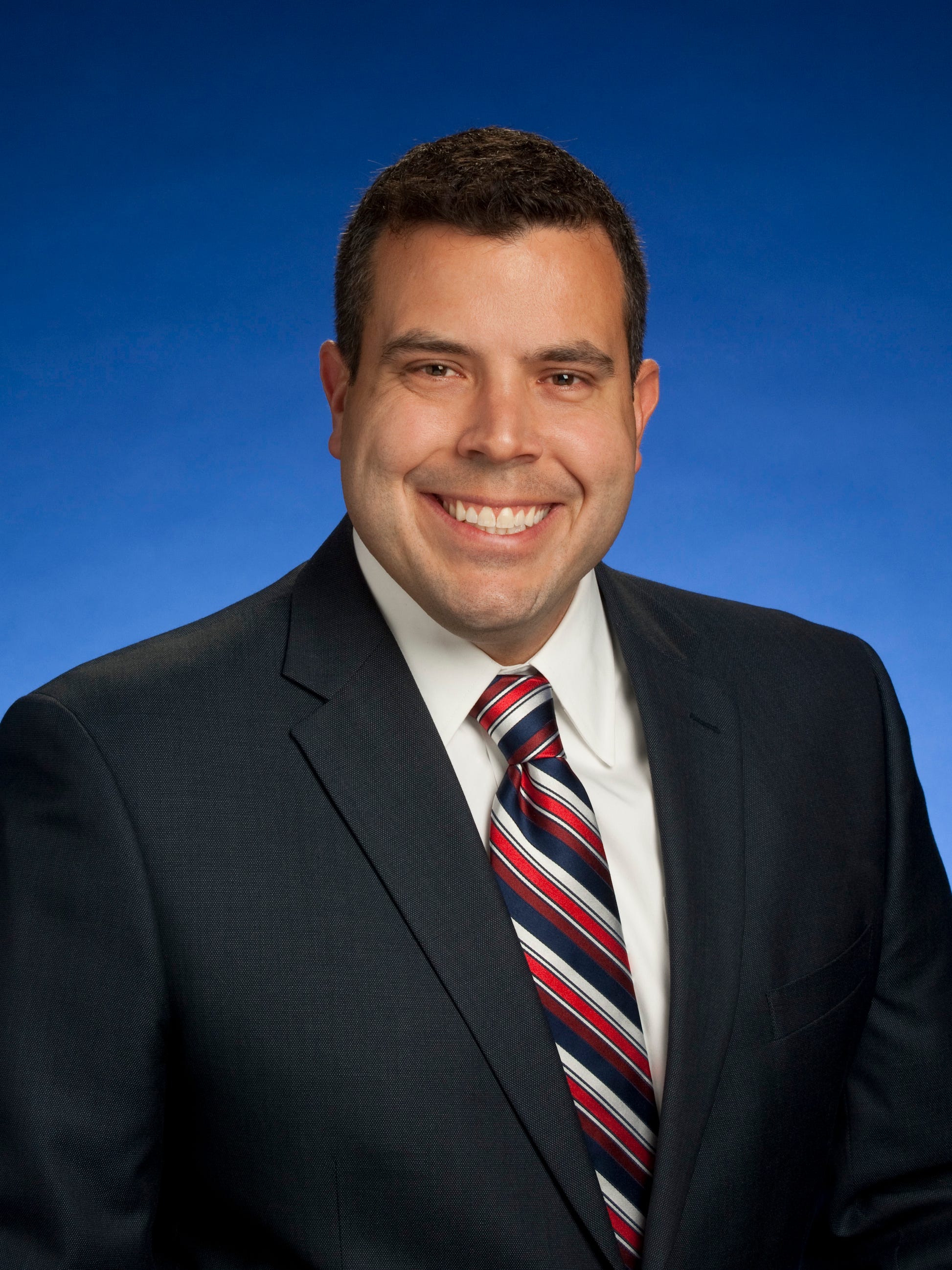
Rep. Jason Powell
Sponsored bills
Maddy summaryHB 2002 would have required the Tennessee Department of Environment and Conservation to install specific safety signage on all new or renovated state trails and jogging trails after July 1, 2026. It mandated emergency reporting markers at trail access points, mile markers or emergency location signs for trails under one mile, and regular vegetation clearing to maintain visibility of signs. The bill applied to both standard trails (managed by the department) and jogging trails (managed by relevant agencies). The bill was filed in early 2026 but withdrawn on February 2, 2026, and is no longer active.
Maddy summaryHJR 672 is a symbolic resolution recognizing the inaugural Broadway Block Party women's college volleyball tournament in Nashville. It honors the event scheduled for August 31, 2025, at Bridgestone Arena, featuring SEC vs. Big 10 matchups including Nebraska vs. Kentucky and Tennessee vs. Purdue. The resolution expresses support for the tournament becoming an annual event but contains no binding policy changes or financial obligations. As a ceremonial resolution, it does not directly affect any individuals or entities beyond acknowledging the sporting event.
Maddy summaryHB 1292 expands Tennessee law enforcement agencies' authority to petition courts for permission to destroy or recycle confiscated firearms. Previously, this applied only to firearms deemed inoperable or unsafe; the bill now allows destruction for *any* confiscated firearm declared contraband by a court. The bill also updates evidence retention rules, requiring agencies to sell, destroy, or recycle such firearms at least 60 days after the final legal proceeding involving the weapon. This directly affects law enforcement agencies handling seized firearms and individuals whose weapons are declared contraband.
Maddy summaryHB 1296 adjusts retirement benefits for Tennessee pension recipients by linking increases to the Consumer Price Index (CPI) when state tax revenue exceeds budgeted amounts. If CPI rises by at least 0.5% in a fiscal year, beneficiaries receive a cost-of-living adjustment equal to that percentage (rounded up to 1% if between 0.5% and 1%), replacing the current 3% cap. The bill requires the state commissioner to verify tax revenue overcollections by November 1 each year and report to the pension board, which then implements the increase starting July 1. It does not apply to certain public employers unless they formally adopt the cost, and retroactive payments are prohibited.
Maddy summaryHB 1291 requires Tennessee health insurance carriers to cover mental health services at the same level as coverage for alcoholism and drug dependence. This means insurance plans must provide equal benefits, coverage, and reimbursement rates for mental health treatment compared to substance use disorder treatment. The bill also mandates that insurers include clear explanations of this equal coverage in plan materials. It applies to all health insurance plans issued or renewed on or after July 1, 2025.
Maddy summaryHB 1290, known as the "Hollyssee Act," directs Tennessee's Department of Economic and Community Development to establish a world-class megasite for arts, entertainment, and media. The bill requires the department to identify a location, develop a master plan with community input, build facilities like film soundstages and performance venues, and create workforce training programs in partnership with schools. It also mandates offering tax incentives to businesses, providing grants for projects, and creating a governing authority (the Tennessee Arts, Entertainment, and Media Megasite Authority) to oversee the site. The legislation requests $250 million in state funding for initial development, primarily affecting the state agency, local communities, and the arts/entertainment industry.
Maddy summaryHJR 211 is a ceremonial resolution honoring the Valor College Prep Wildcats girls' volleyball team for winning the 2024 TSSAA Class AA state championship. It recognizes their historic achievement as the school's first girls' state title and the first such title for a public charter school in Tennessee. The resolution formally congratulates the team on their perfect season record, tournament dominance, and exemplary sportsmanship. As a non-binding memorial resolution, it has no policy impact or direct effect on any individuals or entities beyond this symbolic recognition.
Maddy summaryHB 1297 changes Tennessee's landlord-tenant law by extending the notice period for lease termination from **three calendar days to three business days** when a tenant or occupant commits certain violations. It applies to situations involving violent acts, immediate threats to health/safety, hazardous conditions, or unauthorized occupancy. The bill amends multiple sections of Tennessee law (including Title 66) to implement this change, giving landlords a more realistic timeframe to address violations without counting weekends or holidays. This directly affects landlords and tenants in Tennessee rental properties where lease violations occur.
Maddy summaryHB 1298, known as the "Speak UP, Tennessee Scholarship Act," creates a new scholarship program for Tennessee students in grade 12 and those enrolled at public colleges or universities who demonstrate artistic excellence in spoken word poetry. The Tennessee Student Assistance Corporation (TSAC) must establish this program through rules, using a competitive, performance-based selection process to award scholarships. Funding will come from state appropriations, grants, or private donations, and the program will begin for the 2025-2026 school year to support students pursuing further development of literary and performance skills.