

Issue · Criminal Justice
Criminal Justice (Violent Crime)
Every criminal justice bill, vote, and legislator stance in Tennessee, automatically classified by Maddy, our AI policy reader.
Total bills
38
114th Regular Session (2025-2026)
Top supporter
Aftyn Behn
100% support rate
Top opponent
Fred Atchley
0% support rate
Ranked legislators
10
5 support · 5 oppose
Key legislators
Who's moving violent crime in Tennessee
| Legislator | Party | Stance | Support rate | Decisive votes |
|---|---|---|---|---|

Aftyn Behn
House · District 51
|
D |
Strong +
|
100% | 3 |
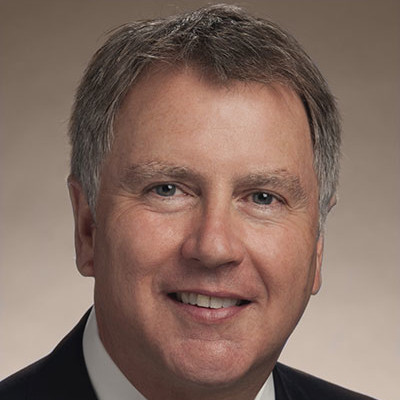
Kerry Roberts
Senate · District 23
|
R |
Support
|
67% | 3 |

London Lamar
Senate · District 33
|
D |
Support
|
67% | 3 |

Michele Reneau
House · District 27
|
R |
Support
|
67% | 3 |

Sara Kyle
Senate · District 30
|
D |
Support
|
67% | 3 |
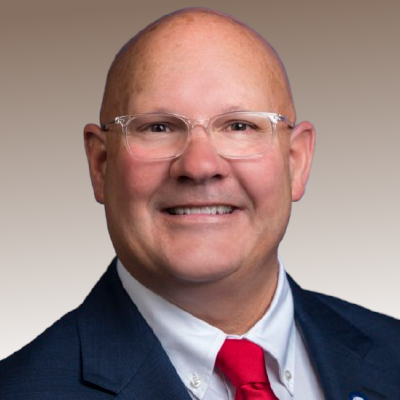
Fred Atchley
House · District 12
|
R |
Strong −
|
0% | 4 |

Lowell Russell
House · District 21
|
R |
Strong −
|
0% | 4 |

Dan Howell
House · District 22
|
R |
Strong −
|
0% | 3 |
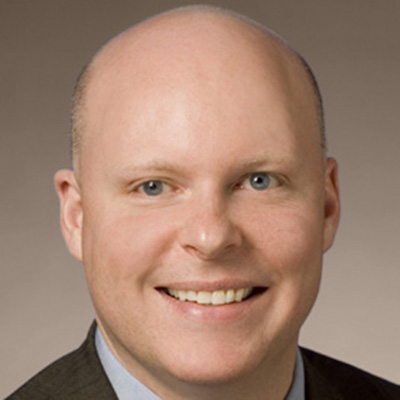
David Hawk
House · District 5
|
R |
Strong −
|
0% | 3 |

Jake McCalmon
House · District 63
|
R |
Strong −
|
0% | 3 |
Showing 21–30 of 38
bills
All criminal justice bills
SB 1493: Computers and Electronic Processing - As enacted, requires TACIR to study artificial intelligence and submit a report to the governor and both speakers by January 31, 2027. - Amends TCA Title 29; Title 33; Title 39 and Title 47.
Topics
✗ Criminal JusticeOpposes Criminal JusticeCreates Class A felony for AI training encouraging suicide/homicide, expanding criminalization of AI development per bill's explicit offense definitions.
✓ HealthcareSupports HealthcareBill prohibits AI from encouraging suicide (mental health crisis) and acting as unlicensed mental health professionals, directly protecting patient safety and mental health services.
✗ TechnologyOpposes TechnologyBill explicitly criminalizes AI training for harmful behaviors like encouraging suicide/homicide or simulating human relationships, directly restricting AI development capabilities.
HB 1455: Computers and Electronic Processing - As enacted, requires TACIR to study artificial intelligence and submit a report to the governor and both speakers by January 31, 2027. - Amends TCA Title 29; Title 33; Title 39 and Title 47.
Topics
✗ Criminal JusticeOpposes Criminal JusticeCreates new Class A felony for AI developers, expanding criminalization of AI interactions per bill's explicit language.
✗ TechnologyOpposes TechnologyRestricts AI development by criminalizing training systems that encourage suicide or simulate emotional relationships, targeting specific dangerous applications while excluding standard tech.
HB 721: Criminal Offenses - As introduced, makes assault against school employees a Class E felony offense under certain circumstances. - Amends TCA Title 39 and Title 49, Chapter 6.
Topics
✗ Criminal JusticeOpposes Criminal JusticeClassifies assault on school employees as Class E felony, increasing mandatory sentencing and criminalization per bill's penalty elevation for specific offenses.
✓ EducationSupports EducationProtects K-12 school employees by increasing penalties for assault during official duties, enhancing safety for educators in educational settings.
✓ Labor & EmploymentSupports Labor & EmploymentProtects school employees' workplace safety by elevating assault penalties during duties, advancing labor safety standards for K-12 staff across Tennessee.
HB 190: Criminal Offenses - As enacted, decreases from 0.20 to 0.15 percent the minimum weight of alcohol concentration in a defendant's blood or breath as an element of the offense of aggravated vehicular assault and in a defendant's blood as an element of the offense of aggravated vehicular homicide. - Amends TCA Title 39, Chapter 13.
Sub-Topics
Violent Crime
SB 1411: Criminal Offenses - As introduced, makes assault against school employees a Class E felony offense under certain circumstances. - Amends TCA Title 39 and Title 49, Chapter 6.
Topics
✗ Criminal JusticeOpposes Criminal JusticeReclassifies assaults on school employees as felony, increasing penalties - expands criminalization, opposing reform trends
✓ EducationSupports EducationReclassifies assaults on school employees as felonies, directly enhancing protection for K-12 educators and staff, aligning with 'protect' in support indicators.
✓ Labor & EmploymentSupports Labor & EmploymentStrengthens workplace safety protections for school employees by elevating assault charges to felony, directly advancing worker safety standards.
HB 359: Criminal Offenses - As enacted, defines "seriously bodily injury" for the purposes of the present law offense of vehicular assault, which occurs when a person who, as the proximate result of the person's intoxication, recklessly causes serious bodily injury to another person by the operation of a motor vehicle or vessel subject to registration; makes related changes. - Amends TCA Title 39 and Title 55.
Topics
✗ Criminal JusticeOpposes Criminal JusticeIncreases penalties for driving without license, expanding criminalization of minor traffic violations, aligning with 'oppose' indicators.
✓ TransportationSupports TransportationIncreases penalties for unlicensed driving, enhancing road safety standards under vehicle regulations within transportation policy.
SB 375: Criminal Offenses - As enacted, defines "seriously bodily injury" for the purposes of the present law offense of vehicular assault, which occurs when a person who, as the proximate result of the person's intoxication, recklessly causes serious bodily injury to another person by the operation of a motor vehicle or vessel subject to registration; makes related changes. - Amends TCA Title 39 and Title 55.
Topics
✗ Criminal JusticeOpposes Criminal JusticeIncreases penalties for license violation by raising misdemeanor classifications, expanding criminalization and opposing reform-focused criminal justice policies.
✓ TransportationSupports TransportationIncreases penalties for unlicensed driving, enhancing road safety as a vehicle regulation measure under Transportation policy.