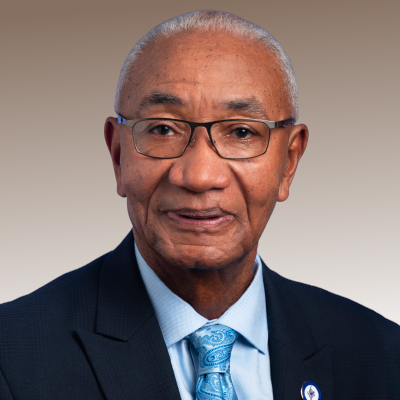
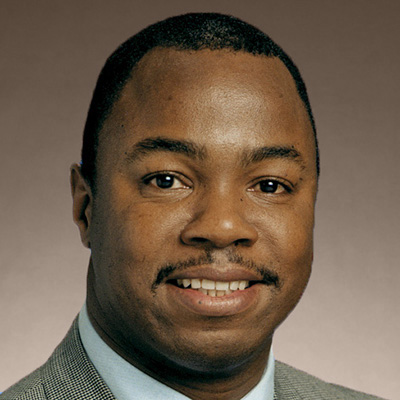
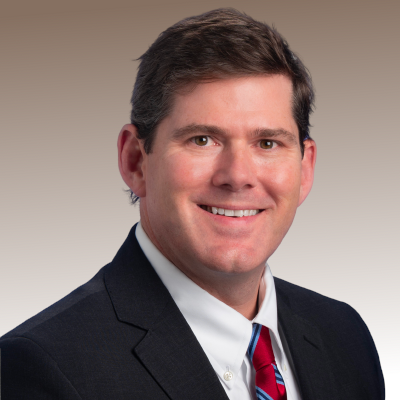
Key legislators
Who's moving criminal justice in Tennessee
Showing 41–43 of 43
bills
All criminal justice bills
SB 335, the "Voyeurism Victims Act," amends Tennessee law to specifically address unauthorized photography (voyeurism) by defining "unlawful photography" and expanding legal protections for victims. It adds new provisions to criminalize hidden-camera photography, multiple-victim cases, and extends the statute of limitations for prosecution by tolling it during the defendant's concealment of the crime. The bill also integrates "unlawful photography" into existing domestic violence, stalking, and human trafficking protections, allowing victims to seek relief through related legal pathways. This law directly affects individuals who experience unauthorized photography, providing clearer legal recourse and updated penalties. It takes effect July 1, 2025, after being signed by the Governor on March 25, 2025.
HB 1095 requires Tennessee's Peace Officer Standards and Training Commission to issue a certification to private special deputies appointed on or after January 1, 2026, if they meet police officer qualifications and complete an approved recruit training program. To maintain this certification, special deputies must also complete annual in-service training sessions relevant to their duties. The bill directly affects private special deputies employed by entities like private security firms or businesses with law enforcement authority. It updates existing training requirements in Tennessee law (Titles 4, 8, 38, and 49) to standardize certification for this specific role, effective March 28, 2025.
SB 337 allows Tennessee counties with populations over 900,000 (per the 2020 census) to temporarily increase their local sales tax rate from 2.75% to 3.75% for up to eight years. The additional revenue must be used exclusively for constructing a new county jail or paying off debt related to such construction. If the jail debt is paid off early, the tax rate reverts to 2.75% immediately. After the temporary period, counties must allocate revenue from the 2.75% tax rate to fund sheriff's department operations (in addition to existing funding), not for other purposes.