

Maddy summaryThe Fairness for Crime Victims Act of 2025 requires that the Crime Victims Fund - used to support victims of crime, particularly child abuse, sexual assault, and domestic violence - be maintained at or above a three-year average funding level in annual appropriations bills. It adds a procedural rule in both the Senate and House to block any provision that would reduce the fund below this average, unless the reduction is under $2 billion. This rule aims to prevent Congress from withholding funds collected from convicted criminals (which have historically been underdisbursed, with over $10 billion withheld since 2000) and ensures consistent funding for victim services. The bill does not alter the fund’s purpose but enforces existing law by requiring full disbursement of collected funds.
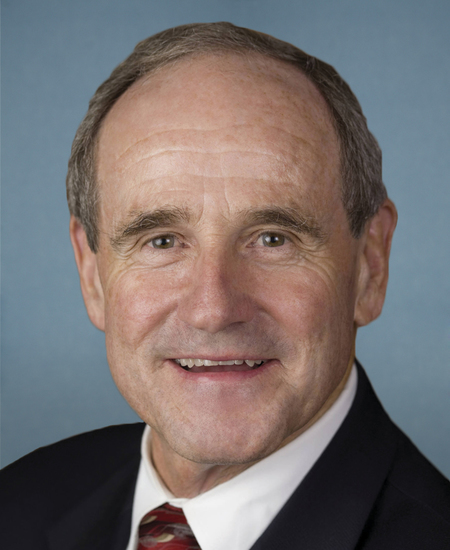
Sen. James E. Risch
Sponsored bills
Maddy summaryThis concurrent resolution expresses Congress's sense that tax-exempt fraternal benefit societies - organizations providing life, health, and accident benefits to members - have historically and continue to deliver significant community benefits through charitable programs, volunteer efforts, and mutual aid. It highlights their role in addressing unmet community needs, supporting financial security for members, and contributing an estimated $3.8 billion annually in social value. The resolution affirms that their tax-exempt status under section 501(c)(8) of the Internal Revenue Code is essential to sustaining these services. As a procedural resolution, it does not create new law but formally recognizes these societies' contributions.
Maddy summaryThis bill requires abortion providers to obtain patient consent for disposal of fetal tissue after an abortion, offering options to take the tissue or have the provider arrange interment or cremation within 7 days. It mandates providers to document consent, report annual abortion statistics and disposal methods to the Health Secretary, and face penalties including up to $50,000 fines or 5 years in prison for violations. The law directly affects abortion providers (clinics and doctors) and patients undergoing abortions, with no change to abortion access itself. Key provisions include standardized consent forms, disposal requirements aligned with state laws for human remains, and annual federal reporting on abortion procedures and tissue disposal.
Maddy summaryS 199 would create special tax rules for "qualified residents of Taiwan" with income from U.S. sources. It would lower tax rates on interest, dividends, and royalties from 30% to 10% (15% for some dividends), provide tax relief for certain wages paid to Taiwan residents working in the U.S., and exempt income from entertainment or athletic activities up to $30,000. The bill establishes specific requirements for entities to qualify for these benefits, including ownership and income criteria. It also creates a process for the U.S. to negotiate a formal tax agreement with Taiwan to further address double taxation concerns.
Protecting Individuals with Down Syndrome Act This bill creates new federal crimes related to the performance of an abortion on an unborn child who has Down syndrome. It subjects a violator to criminal penalties—a fine, a prison term of up to five years, or both. It also authorizes civil remedies, including damages and injunctive relief. A woman who undergoes such an abortion may not be prosecuted or held civilly liable.
Maddy summaryThis bill prohibits federal funding (directly or indirectly) for colleges and universities that host or are affiliated with campus health clinics providing abortion drugs or abortions to students or staff. Institutions must submit annual reports certifying no such services are offered to remain eligible for federal funds. The law also prevents states from penalizing schools for complying with this funding restriction. It specifically defines "abortion drugs" and "school-based service sites" (excluding hospitals) to clarify coverage.
Maddy summaryThis bill allows ranchers with grazing permits or leases to temporarily use vacant public grazing land when their usual land becomes unusable due to disasters like droughts, wildfires, or extreme weather. The Secretary of Agriculture or Interior can make this temporary access available, subject to conditions ensuring it doesn’t alter the rancher’s original grazing rights or future allocations. Key provisions require the Secretary to consider ecological conditions, coordinate across agencies, and establish guidelines within one year to streamline this process. The temporary use is limited to the duration needed for the original land to recover, and it does not affect the rancher’s permanent access or terms to their original allotment.
Maddy summaryS 213, the Main Street Tax Certainty Act, makes the qualified business income deduction permanent for small business owners. It directly affects pass-through business owners (like sole proprietors and small partnerships) who currently benefit from this tax break. The bill removes the temporary expiration of Section 199A of the tax code, providing long-term certainty for these taxpayers by ensuring they can continue deducting up to 20% of their qualified business income.
Maddy summaryThis bill modifies tax code provisions to benefit energy producers. It allows oil and gas companies to deduct intangible drilling and development costs more favorably when calculating taxable income, by disregarding depreciation and depletion expenses already reflected on their financial statements. The change applies to taxable years beginning after December 31, 2025. This directly affects domestic energy producers who incur these specific drilling costs.
Maddy summaryS 227, the PEACE Act of 2025, prohibits the use of federal education funds for curriculum, teaching, or counseling that promotes or compels specific "divisive concepts" related to race. It directly affects schools receiving federal funding under the Elementary and Secondary Education Act by banning the use of those funds for materials teaching ideas like "one race is inherently superior," that "the United States is fundamentally racist," or that individuals bear responsibility for past racial actions based solely on their race. The bill defines prohibited concepts to include race stereotyping (assigning traits to races), race scapegoating (blaming a race for problems), and claims that meritocracy is racist. This amendment to the Elementary and Secondary Education Act would require schools to avoid these specific topics when using federal education funds. The law focuses on restricting the use of federal money for certain instructional content, not on banning all discussions of race or history.