Maddy summaryThe Equal Pay for Equal Work Act establishes a new National Equal Pay Enforcement Task Force composed of representatives from the Equal Employment Opportunity Commission, the Department of Justice, the Department of Labor, and the Office of Personnel Management. The task force is charged with coordinating these agencies to close gaps in enforcement and improve public education regarding equal pay laws. Its specific duties include investigating challenges related to pay inequity, advancing recommendations to address those issues, and creating action plans to implement the proposed solutions.
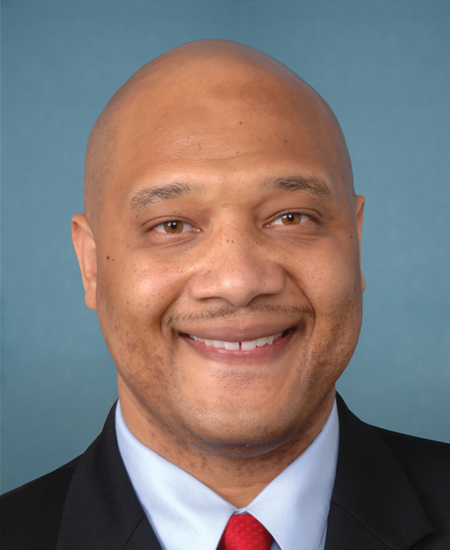
Rep. André Carson
Sponsored bills
Maddy summaryThe AIDA bill aims to support African and Caribbean diaspora communities in the U.S. who send remittances to their countries of origin. It would create tax deductions for remittances used for housing, education, healthcare, or small business support (up to $3,000 annually) and exclude income from certified diaspora investments from taxable income (up to $12,000 annually). The bill also establishes programs through the International Development Finance Corporation to support diaspora-led investments and reduce remittance costs by removing regulatory barriers for diaspora-owned remittance providers. It repeals a remittance excise tax and requires annual reports to measure the impact on development in Africa and the Caribbean.
Maddy summaryThe Hands Off Our Great Lakes Act prohibits the President and federal officials from changing the official names of Lake Superior, Lake Michigan, Lake Huron, Lake Erie, or Lake Ontario. The bill specifically nullifies Executive Order 14422, which had renamed Lake Ontario to Lake America, and bans any further attempts to alter these geographic names through similar executive actions. Additionally, it forbids the use of federal funds to implement or enforce the revoked order or any comparable measures.
Maddy summaryHouse Resolution 1493 declares an unconditional war on racism and invidious discrimination, framing these issues as systemic problems that require decisive legislative action similar to historical efforts against poverty. The resolution directs the House of Representatives to pass legislation creating a new Cabinet-level Department of Reconciliation tasked with developing and coordinating a comprehensive national strategy to eliminate such discrimination. This proposed department would be led by a President-appointed Secretary who reports to Congress twice a year, and it would receive a budget equivalent to at least 10 percent of the Department of Defense's budget.
Maddy summaryThis House resolution formally recognizes August as Chicano/Chicana Heritage Month to celebrate the historical contributions of Mexican Americans to the United States. It highlights specific achievements in science, civil rights, labor, and arts, while acknowledging ongoing challenges such as discrimination and underrepresentation in public and private sectors. The bill encourages the observation of this month through appropriate events and activities but does not create new laws or funding mechanisms.
Maddy summaryThe Green New Deal for Public Housing Act directs the Department of Housing and Urban Development to provide grants to public housing agencies and tribal entities for the comprehensive rehabilitation, energy upgrades, and modernization of public housing stock. These funds are intended to transform properties into zero-carbon homes by installing renewable energy systems, electrifying appliances, and repairing infrastructure, while also establishing workforce development programs that offer training, apprenticeships, and stipends to residents and local low-income workers. The bill mandates strict labor standards, including prevailing wages and the use of U.S.-made materials, and requires agencies to maintain or increase the total number of public housing units while prioritizing resident participation through elected councils and community engagement processes.
Maddy summaryThe Protect American Values Act prohibits the use of federal funds to implement, administer, or enforce a specific Department of Homeland Security rule regarding the "Public Charge" ground of inadmissibility. This legislation directly affects immigrants and mixed-status families by preventing the government from using public benefits as a factor in determining eligibility for lawful permanent resident status. The bill includes a statement of congressional intent arguing that the targeted rule would restrict access to essential services like food, medical care, and housing, while also negatively impacting state and local economies. By cutting off funding for this specific policy, the act aims to maintain current immigration standards and prevent what Congress describes as an unauthorized reversal of long-standing law.
Maddy summaryThis bill, titled the No TSA Data for ICE Act, prohibits the Transportation Security Administration from sharing passenger data with U.S. Customs and Border Protection or U.S. Immigration and Customs Enforcement. It specifically bars these agencies from using TSA information or data from private brokers to perform immigration enforcement functions. Additionally, the legislation prevents the denial, suspension, or early termination of Trusted Traveler programs like PreCheck and Global Entry if an individual's participation in First Amendment-protected activities is the reason. The law defines the restricted data as personally identifiable information about flight passengers obtained from the TSA or private sector entities.
Maddy summaryThis joint resolution expresses the support of the U.S. House of Representatives for designating November 9 of each year as Gold Star Father's Day. The bill honors fathers who have lost a child while serving in the Armed Forces by recognizing their sacrifice and the unique bond between fathers and their children. It does not create new legal requirements or funding but serves as a formal statement of congressional backing for this observance, which has already been adopted by several state legislatures.
Maddy summaryThis resolution expresses support for designating the first week of August as National Community Health Center Week to honor the contributions of these facilities. It encourages all Americans to visit their local health centers during this time to celebrate the partnership between these organizations and the communities they serve. The bill highlights how community health centers provide affordable, comprehensive care to millions of people, particularly in rural and underserved areas, while integrating services like dental care, behavioral health, and pharmacy support. By recognizing these centers, the resolution aims to raise awareness of their role in improving public health outcomes and supporting local economies.