Issue · Labor & Employment

Labor & Employment

Every labor & employment bill, vote, and legislator stance in South Dakota, automatically classified by Maddy, our AI policy reader.

Total bills
2
2026 Regular Session
Top supporter
Mary Fitzgerald
100% support rate
Top opponent
Aaron Aylward
14% support rate
Ranked legislators
10
5 support · 5 oppose
Key legislators

Who's moving labor & employment in South Dakota

Legislators moving labor & employment in South Dakota
Legislator Party Stance Support rate Votes
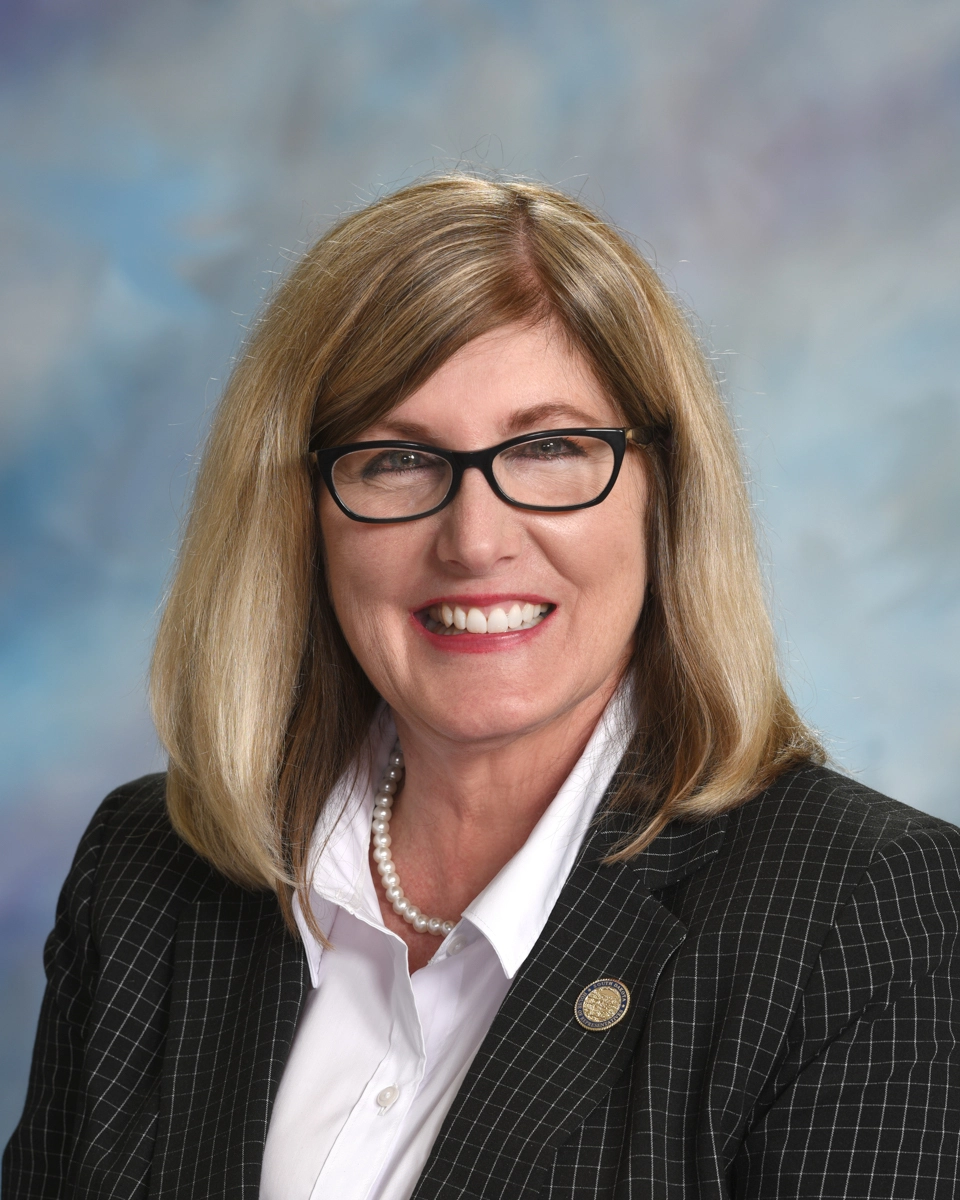
Mary Fitzgerald
Mary Fitzgerald House · District 31
R
Strong +
100% 48
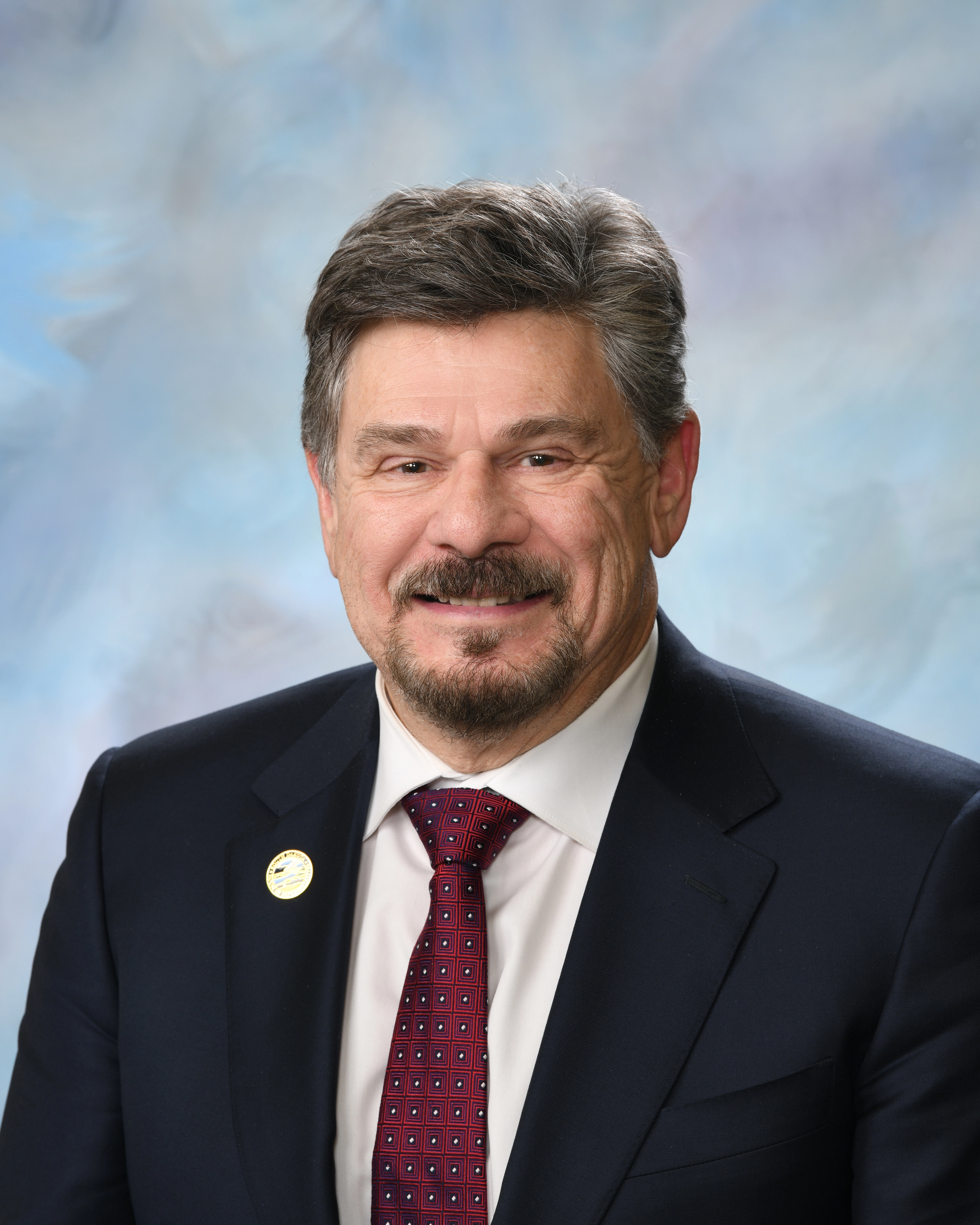
Drew Peterson
Drew Peterson House · District 19
R
Strong +
89% 53
Jessica Bahmuller
Jessica Bahmuller House · District 19
R
Strong +
88% 56
Les Heinemann
Les Heinemann House · District 25
R
Strong +
88% 57
John Hughes
John Hughes House · District 13
R
Strong +
86% 48
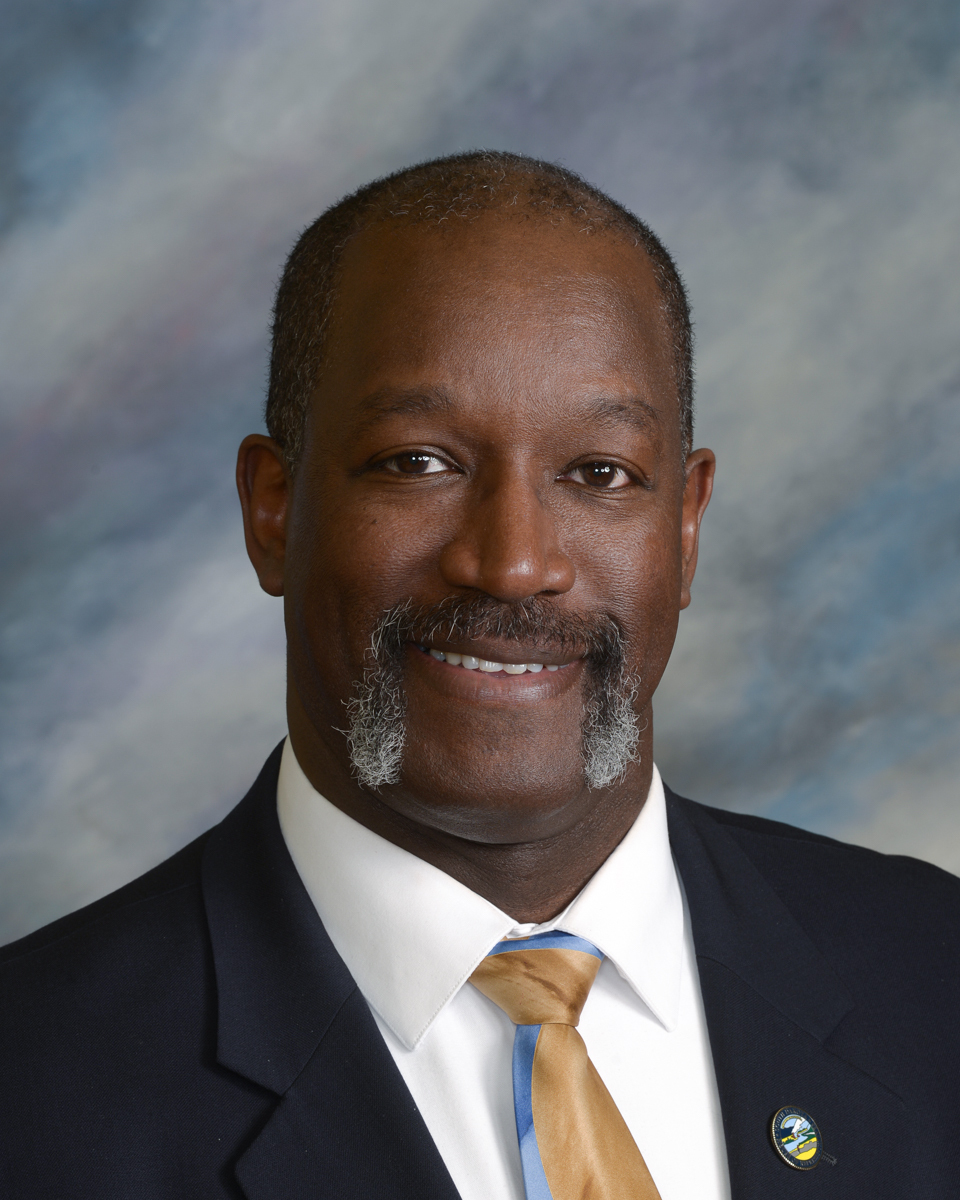
Aaron Aylward
Aaron Aylward House · District 6
R
Strong −
14% 44
Tony Randolph
Tony Randolph House · District 35
R
Strong −
14% 47
Sue Peterson
Sue Peterson Senate · District 13
R
Strong −
20% 34
Joy Hohn
Joy Hohn Senate · District 9
R
Strong −
20% 31
Terri Jorgenson
Terri Jorgenson House · District 29
R
Oppose
29% 49
Showing 2 of 2 bills

All labor & employment bills

passed · South Dakota · Senate Feb 19, 2026

SB 6: reduce the duration of an individual's reemployment benefits.

SB 6 reduces the maximum duration of reemployment benefits for eligible South Dakota workers. The bill amends Section 61-6-8 to shorten the standard benefit period from 26 weeks to a shorter duration (as specified in the amended statute). This directly affects individuals who qualify for state unemployment benefits by limiting how long they can receive payments. The key provision modifies the existing benefit calculation to decrease the total weeks available, without changing the weekly benefit amount. The bill does not address trade readjustment training extensions or base period wage calculations.
in committee · South Dakota · House Feb 18, 2026

HB 1217: limit the use of taxpayer funds and resources by a public education employer to support a labor organization or affiliate and to provide a penalty therefor.

HB 1217 would restrict public education employers in South Dakota, such as school districts and technical colleges, from using taxpayer funds or resources to support labor unions or their activities. The bill specifically prohibits actions like deducting union dues from employee paychecks, sharing employee personal information with unions without consent, using school facilities for union membership drives, or favoring one union over another. It also bans public education employers from contributing public money to unions or providing paid time off for union-related activities. Violations would be subject to penalties, though the exact penalty details are not provided in the bill text. This bill directly affects how public education employers interact with labor organizations and their employees.