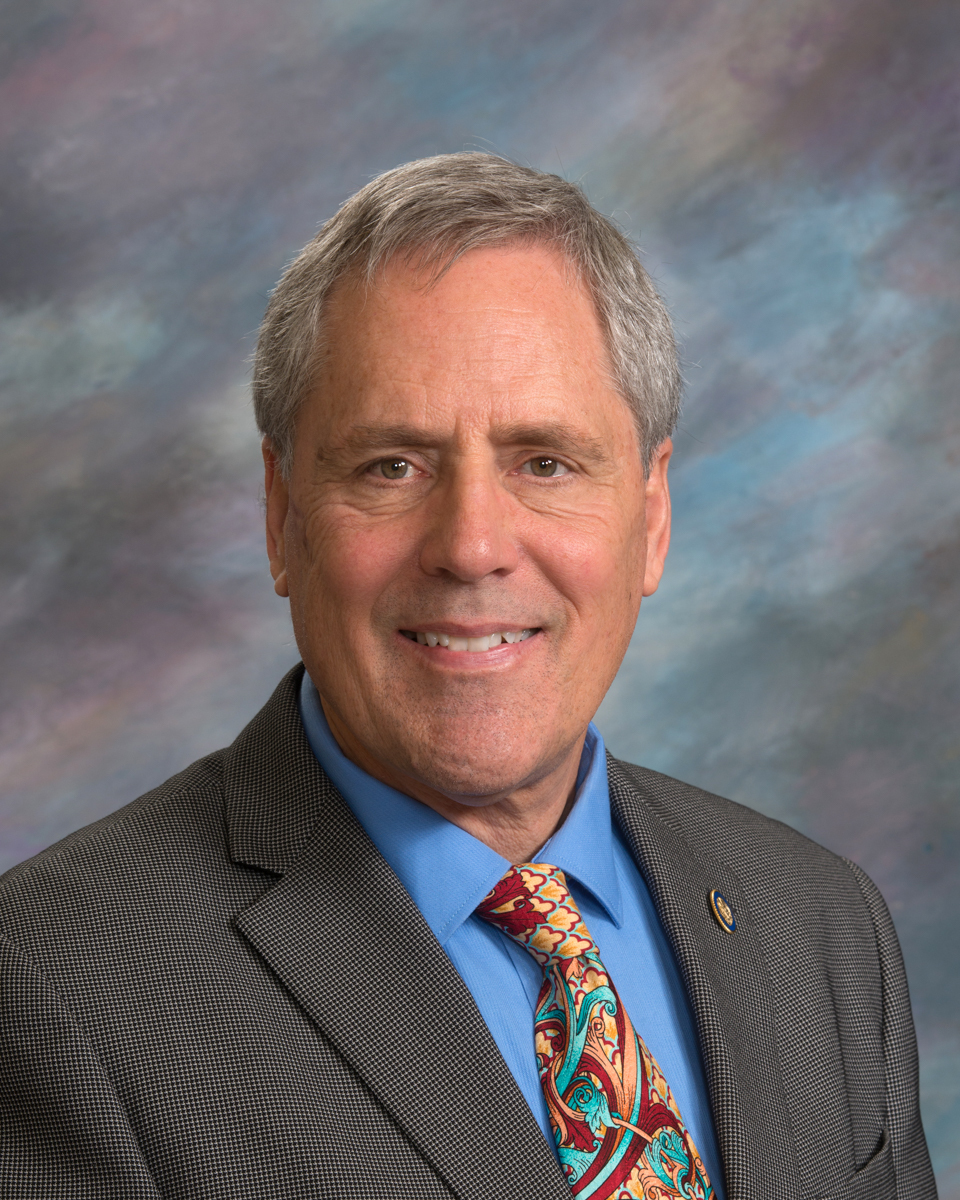
This bill amends South Dakota law (§ 22-19B-4) to upgrade penalties for preventing someone from practicing their religion through threats or violence. Currently a Class 1 misdemeanor, the offense would become a Class 6 felony under this bill. It directly affects individuals who use intimidation or force to stop others from engaging in legally protected religious activities. The key change is reclassifying the penalty level in the statute, increasing the legal consequences for such conduct.
HB 1162 adds 59 specific substances - including synthetic opioids like "W-18" and "butonitazene," as well as compounds such as "methiopropamine" - to South Dakota's Schedule I controlled substances list. This means these substances are now classified as having no medical use and a high potential for abuse under state law. The bill directly affects anyone in South Dakota who possesses, distributes, or uses these listed substances, making such actions illegal without specific exemptions. The key mechanism is the explicit inclusion of these chemical compounds (including isomers and salts) into Schedule I, closing potential legal gaps for enforcement.
HB 1126 revises South Dakota's penalties for repeat driving under the influence (DUI) offenses. It targets individuals with five or more prior DUI convictions within 15 years (down from 25 years), requiring a mandatory minimum six-year prison sentence for a sixth or subsequent offense, with at least one year on parole. The bill mandates specific monitoring tools like ignition interlocks or alcohol bracelets during supervision and extends driver's license revocation periods, with limited exceptions for employment or medical needs after completing treatment. These changes apply directly to repeat DUI offenders meeting the revised conviction thresholds.
SB 220 directs South Dakota's Department of Corrections to conduct a study evaluating juvenile correctional and residential facilities. The study must examine best practices, therapeutic housing models, vocational training combined with mental health services, and staff-to-youth ratios, including inspections at three facilities outside South Dakota. The bill appropriates $50,000 from the general fund to cover study costs and requires a written report to the Legislative Research Council by September 1, 2026. This is a procedural study bill with no direct policy changes or new requirements for facilities, solely aimed at gathering information for future decisions.
HB 1065 would require individuals facing cannabis-related charges to possess a registry identification card to use a legal defense claiming they are permitted to possess cannabis. Currently, South Dakota law does not mandate this card for such defenses, but the bill would amend § 34-20G-53 to make it a requirement. This change would directly affect people charged with cannabis offenses who attempt to rely on this specific defense in court. The bill creates a new condition for accessing this defense, requiring the card as a prerequisite for its use.
HB 1268 would repeal South Dakota's death penalty by removing it as a sentencing option for Class A felonies, including first-degree murder. The bill directly affects individuals convicted of capital offenses, replacing the death penalty with life imprisonment as the maximum sentence. Key provisions amend sections of the criminal code (specifically §§ 22-6-1, 22-16-12, and others) to eliminate the death penalty from Class A felony sentencing and adjust felony classifications accordingly. This change would apply to all future cases, meaning convicted individuals would no longer face execution as a possible penalty for the most serious crimes.
HB 1031 revises South Dakota's rape offense definitions and increases penalties, primarily affecting victims under 13 and perpetrators convicted of sexual crimes against minors. It adds new circumstances to rape definitions (e.g., victim incapacity due to intoxication) and establishes a 15-year minimum sentence for first offenses involving victims under 13. The bill also removes the statute of limitations for rape cases involving victims under 13 or using force/coercion, allowing charges to be filed until the victim turns 25. These changes directly impact criminal sentencing for sexual offenses and extend legal accountability for certain victims.
HB 1124 makes it a felony to enter or remain within 1,000 feet of a place of worship with intent to disrupt services, harass attendees, or intimidate through political means. Violators face a Class 5 felony charge. The bill defines "place of worship" as any building regularly used for religious activities, identifiable by design, signs, or features. This law directly affects individuals who intentionally trespass near religious sites with the prohibited intentions.
South Dakota's HB 1083 creates a new felony charge for stalking public officials, separate from general stalking offenses. It defines "public official" to include elected state/federal leaders, legislators, judges, and law enforcement officers. The bill specifies that intentionally stalking these officials with the intent to cause fear of death or serious harm constitutes a Class 6 felony, carrying the same penalty as existing felony stalking of children. This amendment modifies existing stalking laws (§ 22-19A-1) by adding a specific provision for public officials, without changing penalties for general stalking or stalking children. The law directly affects public officials and those who target them through repeated following, threats, or harassment.