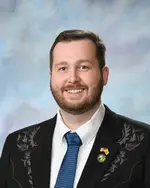
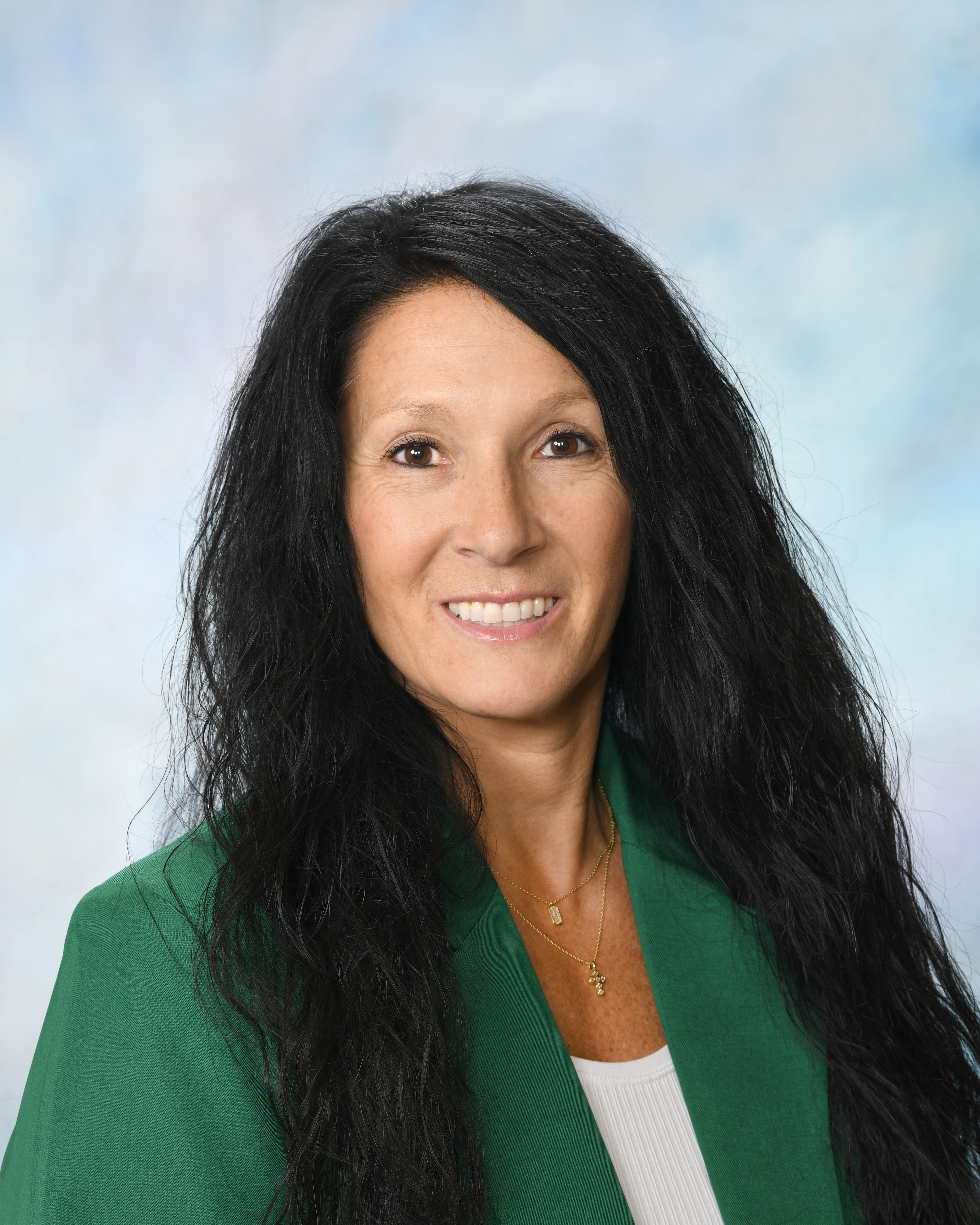
HB 1262 appropriates $2 million from the general fund to construct a juvenile corrections center in Brown County, including necessary infrastructure like utilities and equipment. The bill directs the Department of Corrections to manage the project, with the Bureau of Human Resources overseeing design and construction. It declares an emergency to expedite funding, requiring immediate use of the allocated funds for the facility's completion. The bill does not affect specific individuals but directly provides resources for a state-run juvenile corrections facility in Brown County.
SB 107 amends South Dakota law to explicitly include licensed and registered child care programs within the definition of "community safety zone." This means the 500-foot buffer zone around such facilities - including day care centers, group family day care homes, and registered family day care - will now be covered by the same restrictions on sex offender residence as schools, shelters, and public parks. The bill clarifies that all licensed and registered child care programs are explicitly included under existing definitions without adding new facilities to the list. This change directly affects sex offenders required to register under South Dakota law, as they are barred from residing within these zones without specific exemptions.
HB 1200 appropriates $8 million from South Dakota's general fund to the Department of Public Safety for grants to nonprofit organizations providing specific victim services. It directly supports nonprofits focused on helping children abused or neglected, domestic violence victims, sexual assault victims, or victims of commercial sexual exploitation/trafficking. The bill allows grant funds to cover 24/7 emergency services, counseling, crisis lines, case management, sexual assault nurse examiner training, and child advocacy center services - excluding new programs or legal aid. Nonprofits must apply annually between July 1 and August 31, report on services delivered, and prioritize organizations seeking additional funding. The appropriation becomes effective June 30, 2026.
HB 1140 allows South Dakota courts to require defendants on probation or parole to complete treatment at nonprofit organizations that have received state grants for "alternative care programs," specifically for individuals convicted of repeat DUI/DWI offenses. The bill adds this option as a condition of probation (under § 23A-27-18.3), requiring the defendant’s consent, program availability, and pre-sentencing application approval. It directly affects individuals convicted of third or fourth DUI/DWI offenses who are on probation or parole, offering an alternative to jail time through treatment. The law modifies driver’s license revocation rules (§ 32-23-4 and 32-23-4.6), allowing courts to permit limited driving (e.g., for work or treatment) upon successful completion of such programs. This creates a concrete pathway for court-mandated treatment instead of incarceration for eligible offenders.
SB 179 allows South Dakota courts to commit juveniles adjudicated delinquent for specific weapons offenses to the Department of Corrections, but only under strict conditions. It applies when no other viable alternative exists, corrections is the least restrictive option, and the juvenile was convicted of certain weapons offenses (like those under §22-14-5, 22-14-7, 22-14-20, or 23-7-44). The court must also find the juvenile poses a significant risk of physical harm, has prior adjudications for separate offenses, or meets specific high-risk re-offense criteria. This change modifies existing juvenile disposition options under §26-8C-7, adding a limited pathway to corrections for serious weapons cases. It directly affects juveniles convicted of these specific weapons offenses who meet all the enumerated conditions.
This bill updates South Dakota's search and seizure laws to explicitly include digital currency as "property" covered by existing warrant procedures. It defines digital currency as value recorded on blockchain or similar distributed ledger technology (e.g., Bitcoin). The change ensures law enforcement must follow standard warrant processes when seeking digital currency, aligning it with how physical property is treated under current law. This directly affects law enforcement investigations involving digital assets and individuals holding such currency.
HB 1162 adds 59 specific substances - including synthetic opioids like "W-18" and "butonitazene," as well as compounds such as "methiopropamine" - to South Dakota's Schedule I controlled substances list. This means these substances are now classified as having no medical use and a high potential for abuse under state law. The bill directly affects anyone in South Dakota who possesses, distributes, or uses these listed substances, making such actions illegal without specific exemptions. The key mechanism is the explicit inclusion of these chemical compounds (including isomers and salts) into Schedule I, closing potential legal gaps for enforcement.
SB 220 directs South Dakota's Department of Corrections to conduct a study evaluating juvenile correctional and residential facilities. The study must examine best practices, therapeutic housing models, vocational training combined with mental health services, and staff-to-youth ratios, including inspections at three facilities outside South Dakota. The bill appropriates $50,000 from the general fund to cover study costs and requires a written report to the Legislative Research Council by September 1, 2026. This is a procedural study bill with no direct policy changes or new requirements for facilities, solely aimed at gathering information for future decisions.
This concurrent resolution (HCR 6015) requests the Legislative Research Council's Executive Board to form a committee to study expanding state involvement in the national instant criminal background check system. It specifically directs the committee to examine how to better identify individuals with mental health issues seeking firearms, while addressing due process rights, reporting standards, and training requirements for those handling background check information. The study will also evaluate county mental health boards' roles, existing commitment processes, and how they might interact with background check systems. The resolution does not create new law but asks for a report with findings and recommendations for future legislative action. (Note: The bill title incorrectly references "county boards of mental illness" instead of the actual focus on background checks and mental health in firearm contexts.)
HB 1086 appropriates $2.7 million from the general fund to the South Dakota Department of Corrections for a grant to a nonprofit organization. The nonprofit must provide trauma-informed programming - including leadership development and skills training - to both offenders and correctional staff at three specific state prisons: South Dakota State Penitentiary, Mike Durfee State Prison, and South Dakota Women's Prison. To qualify, the nonprofit must currently operate such programming at a state facility and plan to serve all three prisons, as verified by the Department of Corrections. Unspent funds by June 30, 2031, will revert to the state treasury.