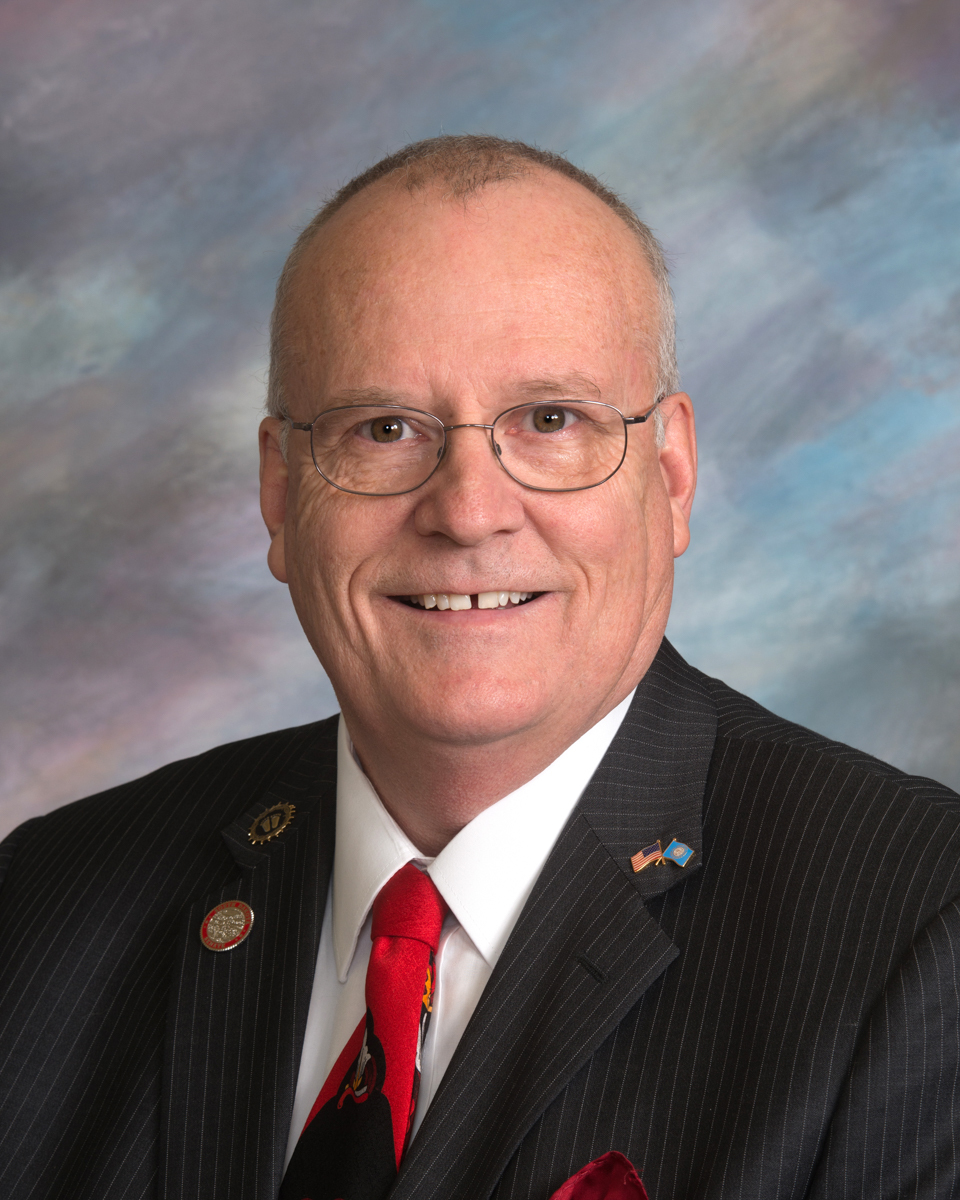
HB 1175 revises South Dakota law to clarify that the Sisseton-Wahpeton Sioux Tribe (and other Indian tribes) can request background checks through the Division of Criminal Investigation for specific tribal positions. It directly affects tribal members seeking roles as tribal council members, judges, conservation officers, educators, child protection workers, and others listed in the bill. The key mechanism requires tribes to submit applicants' fingerprints to the state division, which then forwards them to the FBI for a national check if no state-level disqualifications exist, with tribes or applicants covering processing fees.
This bill updates South Dakota's search and seizure laws to explicitly include digital currency as "property" covered by existing warrant procedures. It defines digital currency as value recorded on blockchain or similar distributed ledger technology (e.g., Bitcoin). The change ensures law enforcement must follow standard warrant processes when seeking digital currency, aligning it with how physical property is treated under current law. This directly affects law enforcement investigations involving digital assets and individuals holding such currency.
SB 81 clarifies South Dakota's law against harming service animals by specifying that it is illegal to maliciously beat, injure, harass, or interfere with a service animal that is controlled by a person with a disability and wearing a harness or control device. The bill directly affects individuals with disabilities who rely on service animals and anyone who might harass or harm such animals. It explicitly defines "service animal" as a dog trained to perform tasks directly related to a person's disability (per federal guidelines), excluding emotional support, comfort, or crime deterrent effects. The law makes it a Class 2 misdemeanor to violate these provisions.
SB 220 directs South Dakota's Department of Corrections to conduct a study evaluating juvenile correctional and residential facilities. The study must examine best practices, therapeutic housing models, vocational training combined with mental health services, and staff-to-youth ratios, including inspections at three facilities outside South Dakota. The bill appropriates $50,000 from the general fund to cover study costs and requires a written report to the Legislative Research Council by September 1, 2026. This is a procedural study bill with no direct policy changes or new requirements for facilities, solely aimed at gathering information for future decisions.
HB 1065 would require individuals facing cannabis-related charges to possess a registry identification card to use a legal defense claiming they are permitted to possess cannabis. Currently, South Dakota law does not mandate this card for such defenses, but the bill would amend § 34-20G-53 to make it a requirement. This change would directly affect people charged with cannabis offenses who attempt to rely on this specific defense in court. The bill creates a new condition for accessing this defense, requiring the card as a prerequisite for its use.
HB 1076 revises restrictions on where sex offenders can live near community safety zones (areas near schools, parks, or shelters). It adds two new exceptions allowing offenders to reside there: if they established their home before July 1, 2024, or if the school/park was built after they moved in. The bill expands existing exceptions for offenders in prison, halfway houses, homeless shelters, or healthcare facilities. Violations remain felonies, with repeat offenses carrying harsher penalties. The bill also declares an emergency to take immediate effect.
HB 1151 bans kratom and kratom products in South Dakota, making it a Class 2 misdemeanor to sell, distribute, purchase, consume, or possess them. It specifically prohibits sales or use by anyone under 21 (except by parents/guardians), and requires strict labeling for products that remain legal, including serving sizes, alkaloid content, and health warnings. The bill also prohibits products containing over 2% 7-hydroxymitragynine, synthetic compounds, or harmful additives. This directly affects consumers, businesses selling kratom, and retailers who must comply with new labeling rules.
HCR 6001 is a non-binding resolution urging the U.S. Department of Homeland Security (DHS) to establish a tribal law enforcement training academy in South Dakota. It directly addresses DHS and aims to benefit law enforcement personnel serving South Dakota’s nine federally recognized tribal nations, including those working in culturally specific contexts. The resolution requests DHS collaborate with tribal leaders and state agencies to design training programs tailored to tribal communities’ unique needs. It does not create new laws or allocate funding but formally asks DHS to consider South Dakota as a location for such an academy. The resolution emphasizes South Dakota’s existing partnerships with tribal nations and the Bureau of Indian Affairs in law enforcement training.