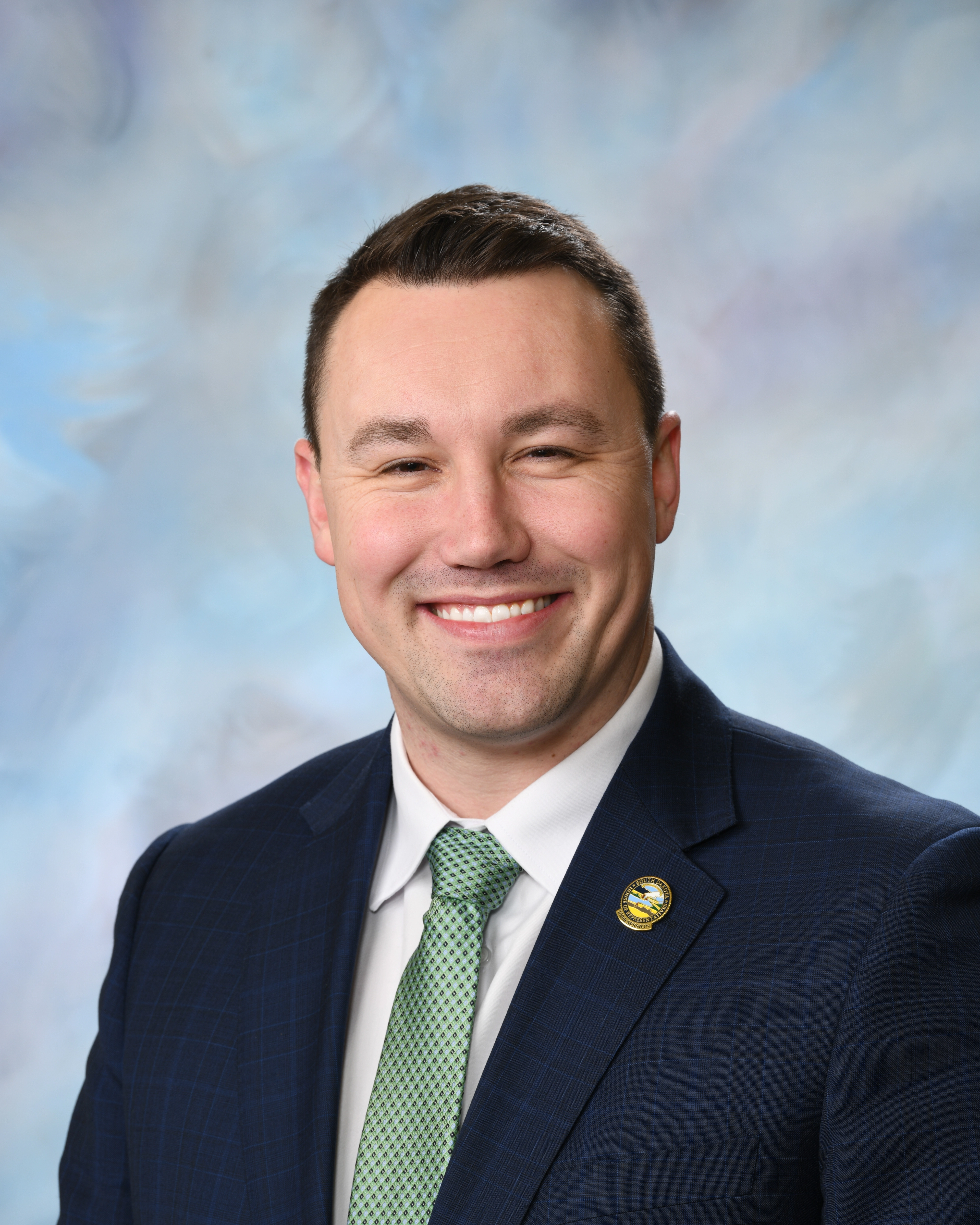
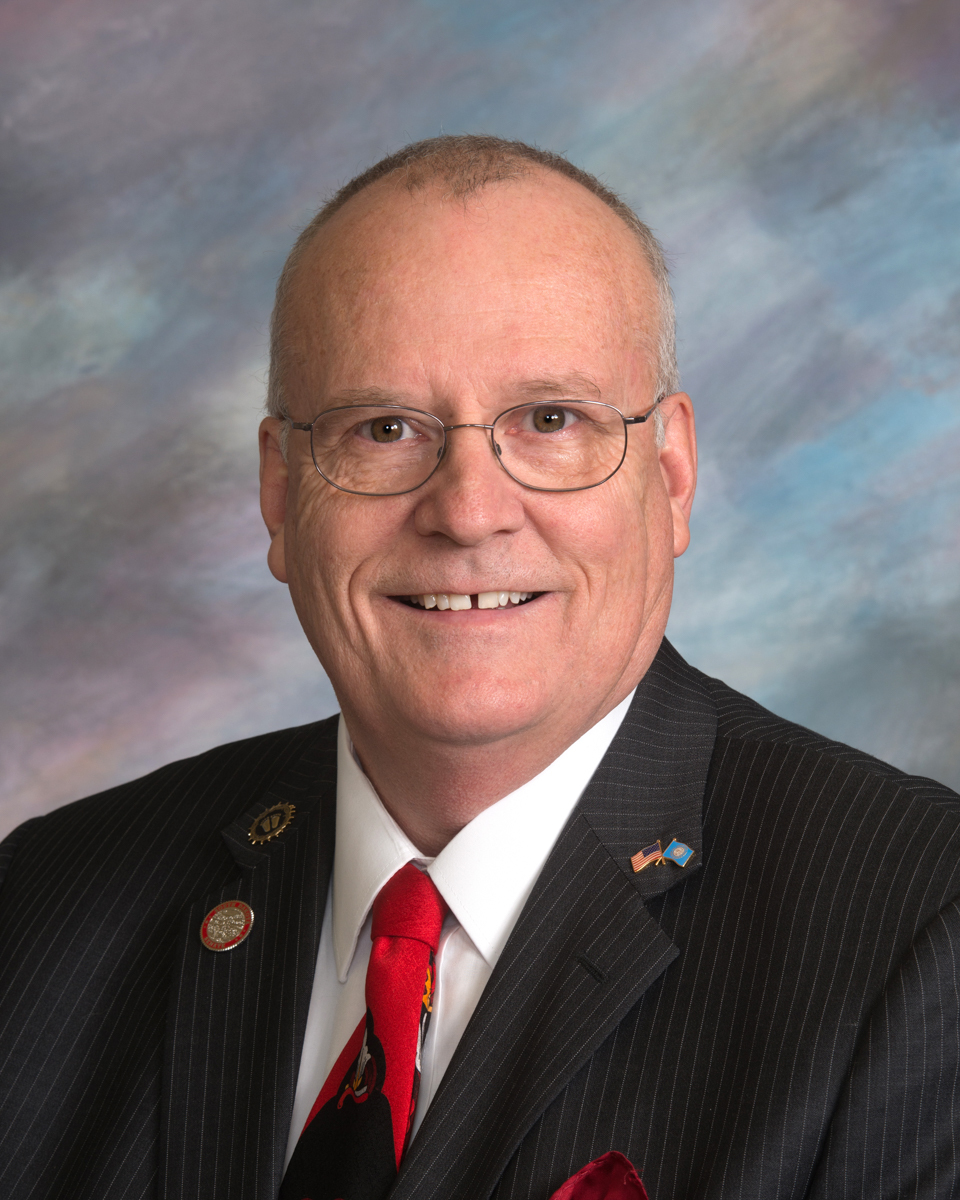
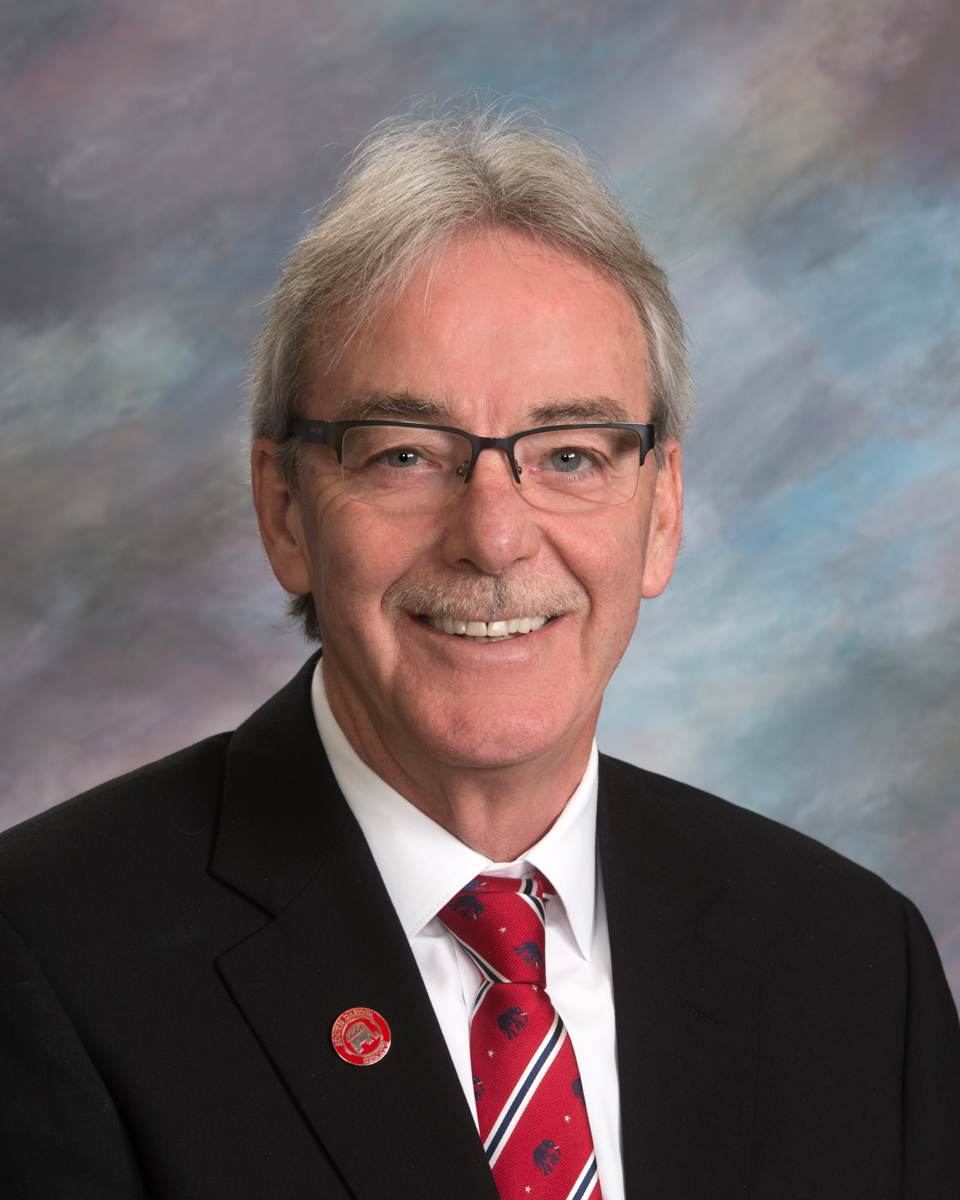
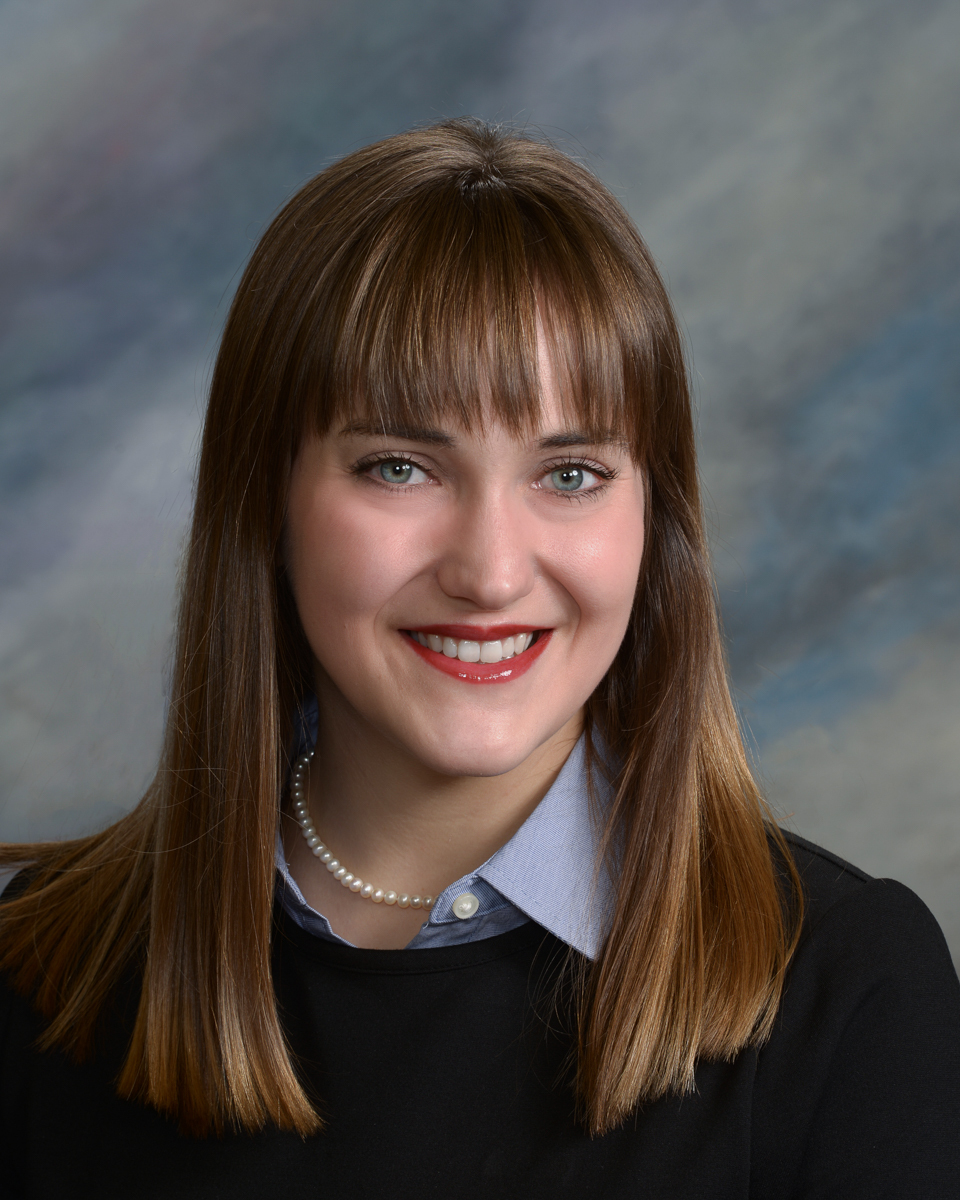
HB 1086 appropriates $2.7 million from the general fund to the South Dakota Department of Corrections for a grant to a nonprofit organization. The nonprofit must provide trauma-informed programming - including leadership development and skills training - to both offenders and correctional staff at three specific state prisons: South Dakota State Penitentiary, Mike Durfee State Prison, and South Dakota Women's Prison. To qualify, the nonprofit must currently operate such programming at a state facility and plan to serve all three prisons, as verified by the Department of Corrections. Unspent funds by June 30, 2031, will revert to the state treasury.
HB 1322 revises a South Dakota law requiring correctional facilities to provide transportation for inmates when they are released (upon parole, sentence completion, or discharge). It mandates that facilities must provide transportation to one of three locations chosen by the inmate: the county where they lived before incarceration, the county where they were sentenced, or a location with equivalent mileage to the nearest of those two options. This change ensures inmates have a clear choice of destination while preventing facilities from routing them to unnecessarily distant locations. The bill does not alter existing requirements for providing inmates with clothing or a small cash allowance upon release. The policy directly affects all inmates leaving South Dakota correctional facilities.
HB 1276 establishes strict rules for using solitary confinement in South Dakota's juvenile facilities. It prohibits solitary confinement for discipline, punishment, or convenience - allowing it only when a juvenile poses an immediate risk of physical harm to self or others. The bill requires facilities to first try less restrictive methods, get approval from a facility leader, and form an interdisciplinary team (including mental health staff and administrators) to review cases within 24 hours and reassess weekly if confinement lasts more than seven days. Facilities must document all cases, provide continuous monitoring (every 15 minutes in-person), ensure access to basic needs like medical care and education, and notify parents within one business day. This applies directly to all juveniles held in state-operated juvenile facilities.
HB 1268 would repeal South Dakota's death penalty by removing it as a sentencing option for Class A felonies, including first-degree murder. The bill directly affects individuals convicted of capital offenses, replacing the death penalty with life imprisonment as the maximum sentence. Key provisions amend sections of the criminal code (specifically §§ 22-6-1, 22-16-12, and others) to eliminate the death penalty from Class A felony sentencing and adjust felony classifications accordingly. This change would apply to all future cases, meaning convicted individuals would no longer face execution as a possible penalty for the most serious crimes.
HB 1252 requires South Dakota counties and municipalities to provide legal representation for people who cannot afford a lawyer (indigent defendants) through three methods: establishing public defender offices, using court-appointed attorneys via a coordinated plan, or contracting with licensed attorneys. It specifies that counties pay for these services, with reimbursement possible by deducting costs from defendants' funds (as court costs or probation conditions) or through a state fund that redistributes payments based on county spending. The bill also creates a lien on defendants' property (capped at $1,500 for minors' parents) to recover costs, and mandates how counties must report and enforce these reimbursements.
HB 1076 revises restrictions on where sex offenders can live near community safety zones (areas near schools, parks, or shelters). It adds two new exceptions allowing offenders to reside there: if they established their home before July 1, 2024, or if the school/park was built after they moved in. The bill expands existing exceptions for offenders in prison, halfway houses, homeless shelters, or healthcare facilities. Violations remain felonies, with repeat offenses carrying harsher penalties. The bill also declares an emergency to take immediate effect.
HB 1151 bans kratom and kratom products in South Dakota, making it a Class 2 misdemeanor to sell, distribute, purchase, consume, or possess them. It specifically prohibits sales or use by anyone under 21 (except by parents/guardians), and requires strict labeling for products that remain legal, including serving sizes, alkaloid content, and health warnings. The bill also prohibits products containing over 2% 7-hydroxymitragynine, synthetic compounds, or harmful additives. This directly affects consumers, businesses selling kratom, and retailers who must comply with new labeling rules.
HB 1214 requires South Dakota courts to consider a defendant's history of abuse as a mitigating factor during sentencing for certain crimes. To qualify, defendants must provide documented evidence (such as court records, hospital reports, or protective orders) proving the abuse was a substantial factor in their offense. If approved, sentences are reduced: life without parole becomes a maximum of 35 years, life with parole becomes a maximum of 30 years, and fixed terms are reduced by at least one-third. The law excludes Class A felonies, sex offenses, and related attempts, and allows retroactive resentencing for cases before July 1, 2026.
This bill allows courts to expunge all records related to dismissed protection order cases, directly affecting individuals whose petitions were rejected (either initially or after a hearing). If a court dismisses a petition under South Dakota law (specifically § 22-19A-8 for domestic violence orders or § 25-10-3 for civil orders), it may order the removal of all case records from court files and the Department of Social Services. The expungement process follows existing definitions in § 23A-3-26, ensuring records are permanently cleared without requiring additional court action beyond the dismissal.
HB 1124 makes it a felony to enter or remain within 1,000 feet of a place of worship with intent to disrupt services, harass attendees, or intimidate through political means. Violators face a Class 5 felony charge. The bill defines "place of worship" as any building regularly used for religious activities, identifiable by design, signs, or features. This law directly affects individuals who intentionally trespass near religious sites with the prohibited intentions.