Issue · Immigration

Immigration

Every immigration bill, vote, and legislator stance in South Carolina, automatically classified by Maddy, our AI policy reader.

Total bills
152
119th Congress
Top supporter
James E. Clyburn
78% support rate
Top opponent
Ralph Norman
16% support rate
Ranked legislators
7
2 support · 5 oppose
Key legislators

Who's moving immigration in South Carolina

Legislators moving immigration in South Carolina
Legislator Party Stance Support rate Votes
James E. Clyburn
James E. Clyburn House · District 6
D
Support
78% 147
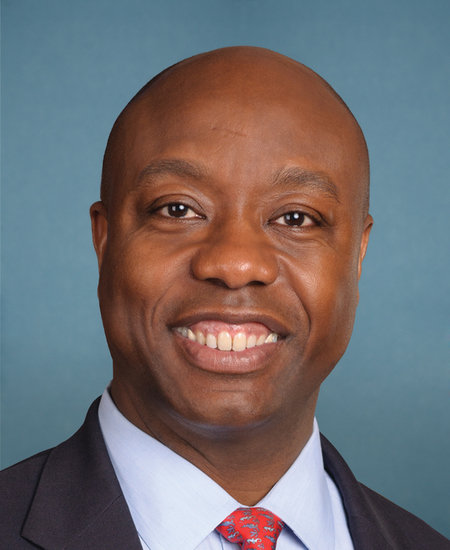
Tim Scott
Tim Scott Senate
R
Support
70% 178
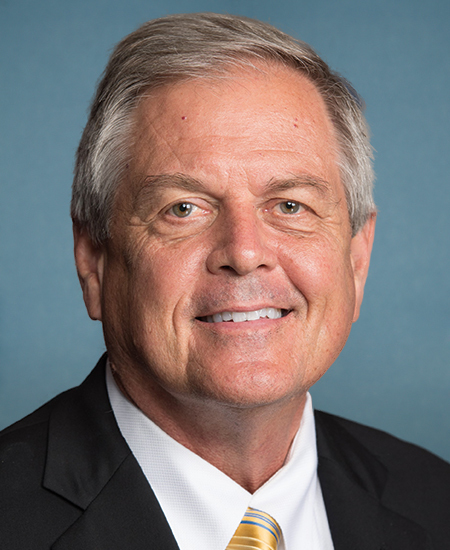
Ralph Norman
Ralph Norman House · District 5
R
Strong −
16% 129
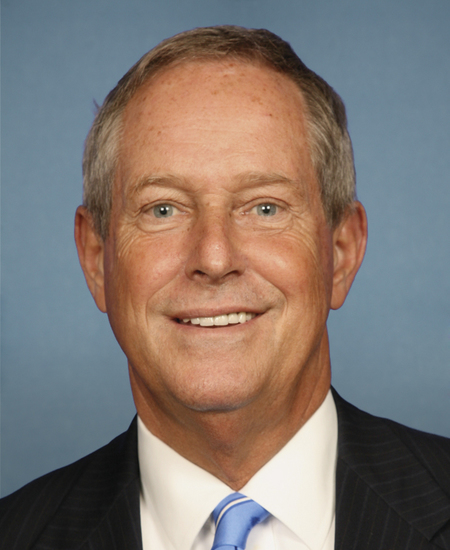
Joe Wilson
Joe Wilson House · District 2
R
Strong −
19% 144
Russell Fry
Russell Fry House · District 7
R
Strong −
19% 149
Sheri Biggs
Sheri Biggs House · District 3
R
Strong −
19% 150
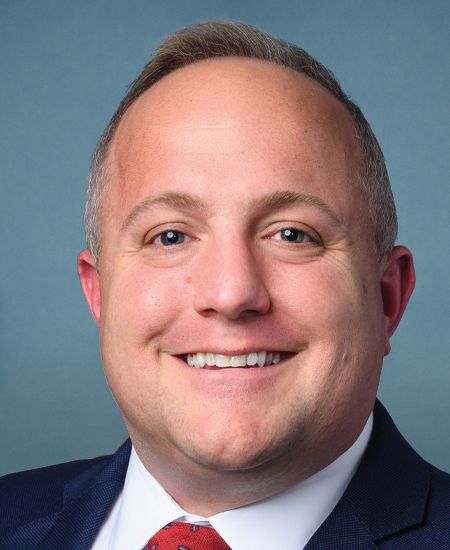
William R. Timmons IV
William R. Timmons IV House · District 4
R
Strong −
19% 148
Showing 1–10 of 152 bills

All immigration bills

passed · United States · House Sep 1, 2026

HRES 1490: Providing for the condemnation and denouncement of socialism in all its forms, and for other purposes.

This resolution states that the House of Representatives condemns and denounces socialism in all its forms, including the Democratic Socialists of America, and opposes the implementation of socialist policies in the United States; reaffirms its support for free, fair, and secure elections and calls for enactment of the SAVE America Act; reiterates that American elections are for American citizens only; and recommits itself to upholding the U.S. Constitution.
in committee · United States · House Sep 2, 2026

HR 10222: No HUD Funding for Sanctuary Cities Act

This bill would prohibit any state or local government designated as a "sanctuary jurisdiction" from receiving grant funds distributed by the Department of Housing and Urban Development (HUD). A jurisdiction is defined as a sanctuary if it has laws, policies, or practices that restrict officials from sharing information about an individual's immigration status or from complying with federal requests to detain or notify about the release of individuals. The funding restriction would apply to grants distributed 180 days after the bill's enactment. To determine which jurisdictions qualify for this ineligibility, the HUD Secretary is required to consult with the Secretary of Homeland Security.
in committee · United States · House Jul 16, 2026

HR 9724: End Birthright Citizenship for Territories Act

This bill proposes to end automatic U.S. citizenship for people born in Puerto Rico, the Virgin Islands, Guam, and the Northern Mariana Islands starting January 1, 2027. It achieves this by amending existing immigration laws to add a specific date cutoff, meaning anyone born in these territories after that date would not be granted citizenship at birth. The legislation explicitly states that children born before the cutoff date and children born to U.S. citizens or legal permanent residents in these areas will retain their current citizenship status.
in committee · United States · House Jul 23, 2026

HR 9899: Afghanistan TPS Act of 2026

This bill designates Afghanistan for Temporary Protected Status, allowing nationals who have lived continuously in the United States since the law's enactment to apply for a legal stay until July 1, 2029. To qualify, applicants must pass background checks and submit biometric data, while the Department of Homeland Security is required to process these applications within 90 days unless national security concerns justify a brief extension. The legislation also permits eligible individuals to request fee waivers for their applications and allows for special travel consent in emergency situations that require a short trip abroad.
Sub-Topics Refugees & Asylum
in committee · United States · House Jul 14, 2026

HR 9667: Securing Healthcare and Income Entitlements for Lawfully Domiciled Citizens (SHIELD Citizens) Act

The SHIELD Citizens Act aims to restrict access to federal welfare programs, such as food assistance, Medicaid, and housing aid, exclusively to United States citizens. By amending existing laws, the bill removes eligibility for noncitizens, including lawfully domiciled residents, while preserving access to emergency medical care, disaster relief, and services like soup kitchens. The legislation includes a transition period allowing current recipients to keep their benefits for up to 180 days after the law takes effect, which is set to begin 180 days after enactment. This change directly impacts noncitizen families who currently rely on these safety net programs, narrowing the pool of eligible individuals to citizens only.
Sub-Topics Medicaid
in committee · United States · House Jul 15, 2026

HR 9710: Third World Immigration Moratorium Act

This bill, known as the Third World Immigration Moratorium Act, would ban entry into the United States for individuals from 40 specific countries, including Afghanistan, Iran, and Venezuela, as well as those holding travel documents from the Palestinian Authority. The restrictions apply only to people currently outside the U.S. who do not already possess a valid visa, while exempting lawful permanent residents, dual nationals, athletes at major sporting events, and others with specific legal statuses. Although the ban is strict, the Secretary of Homeland Security retains the power to grant waivers for critical national interests, such as allowing witnesses to attend criminal trials. Additionally, the law requires government officials to submit a report to Congress every six months recommending whether to continue, modify, or end the entry prohibition.
in committee · United States · House Jul 14, 2026

HR 9662: Birthright CLAIM Act of 2026

This bill, known as the Birthright CLAIM Act of 2026, modifies existing laws to restrict automatic citizenship for children born in the United States to parents who are not U.S. citizens or nationals. Under the new rules, a child born to two non-citizen parents would not be considered a citizen at birth if at least one parent is unlawfully present in the country or lacks lawful permanent residency. Additionally, the legislation extends the residency requirements for children born abroad to U.S. citizens, requiring a longer period of continuous residence before the child can claim citizenship. The bill also introduces a paternity verification process where DNA testing is mandatory to confirm a father's identity before the government issues citizenship documents like passports or Social Security numbers. If paternity cannot be verified through this testing, the child would not receive these documents until the verification is complete.
in committee · United States · House Jun 30, 2026

HR 9562: Anchors Away Act

The Anchors Away Act modifies U.S. immigration laws to expand birthright citizenship and restrict entry for certain pregnant individuals. It clarifies that anyone born in the United States to a parent who is a citizen, a lawful permanent resident, or a member of the U.S. Armed Forces automatically acquires citizenship. Additionally, the bill makes it illegal for pregnant nonimmigrants who are not married to U.S. citizens to enter the country, though it allows entry for those seeking legitimate medical treatment for childbirth. These changes apply only to people born on or after the law's enactment and to new admission applications filed on or after that date.
in committee · United States · House Jun 29, 2026

HR 9514: Homeownership Eligibility Reform Act

The Homeownership Eligibility Reform Act restricts access to government-backed and private mortgage insurance for single-family homes to individuals who are U.S. citizens. Specifically, the bill amends laws governing the Federal Housing Administration, Fannie Mae, and Freddie Mac to require that borrowers for one-to-four-unit properties must be citizens to qualify for their mortgage products. This change directly affects foreign nationals and non-citizen residents who currently might purchase homes with these types of financing, effectively limiting their eligibility for these specific mortgage programs.
in committee · United States · House May 29, 2026

HR 9063: Hire American Act

The Hire American Act mandates that only U.S. citizens or nationals can be employed by the federal government, with specific exceptions for translators, emergency field workers, international broadcasters, and short-term wildland firefighters. To enforce this rule, the bill requires new hires to sign an affidavit confirming their citizenship status and allows for penalties of fines or imprisonment for individuals who knowingly provide false information. The Office of Personnel Management is tasked with issuing implementation guidance within 180 days and must publish reports detailing any non-citizen appointments made under the allowed exceptions. Additionally, the law extends these employment restrictions to include employees of the United States Postal Service and the Postal Regulatory Commission.
Showing 1 to 10 of 152 bills
1 2 3 16 Next