Issue · Criminal Justice

Criminal Justice

Every criminal justice bill, vote, and legislator stance in South Carolina, automatically classified by Maddy, our AI policy reader.

Total bills
70
119th Congress
Top supporter
Tim Scott
77% support rate
Top opponent
Ralph Norman
35% support rate
Ranked legislators
7
2 support · 5 oppose
Key legislators

Who's moving criminal justice in South Carolina

Legislators moving criminal justice in South Carolina
Legislator Party Stance Support rate Votes
Tim Scott
Tim Scott Senate
R
Support
77% 165
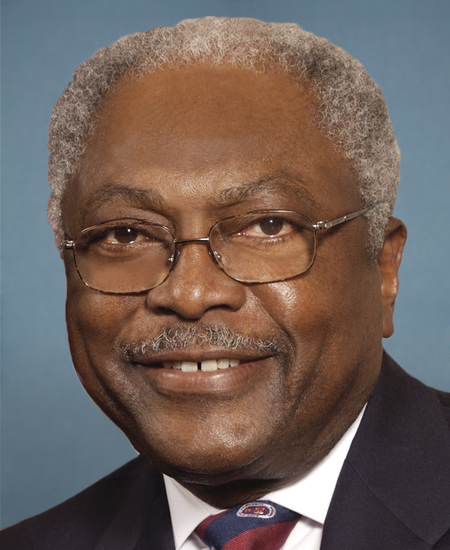
James E. Clyburn
James E. Clyburn House · District 6
D
Support
63% 152
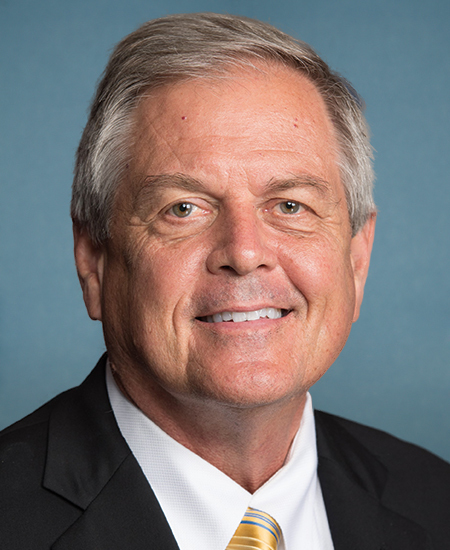
Ralph Norman
Ralph Norman House · District 5
R
Oppose
35% 139
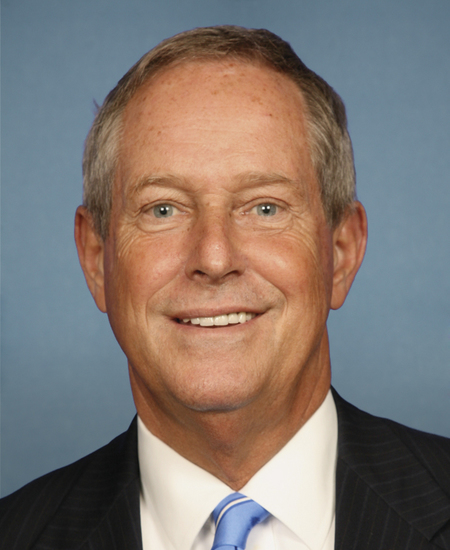
Joe Wilson
Joe Wilson House · District 2
R
Oppose
36% 140
Nancy Mace
Nancy Mace House · District 1
R
Oppose
36% 128
William R. Timmons IV
William R. Timmons IV House · District 4
R
Oppose
37% 152
Russell Fry
Russell Fry House · District 7
R
Oppose
37% 154
Showing 1–10 of 70 bills

All criminal justice bills

in committee · United States · House Aug 31, 2026

HRES 1430: Providing for consideration of the bill (H.R.185) to advance responsible policies.

This resolution allows the House of Representatives to immediately consider and pass H.R. 185, known as the Epstein Files Transparency Act II, which strengthens rules for releasing government documents related to the Jeffrey Epstein case. The bill empowers state attorneys general and victims to sue the U.S. Attorney General in federal court if they believe records are being unlawfully withheld, redacted, or delayed, while also requiring courts to expedite these legal cases. It mandates that victims receive unredacted copies of records pertaining to them and grants state law enforcement full access to previously sealed or classified materials for their investigations. Additionally, the law imposes criminal penalties on federal officials who conceal or falsify records and requires Members of Congress to receive unredacted documents within seven days of requesting them.
Sub-Topics Courts Law Enforcement
in committee · United States · House Jul 15, 2026

HR 9694: Epstein Files Transparency Act II

This bill strengthens the Epstein Files Transparency Act by giving state attorneys general and victims the legal right to sue the U.S. Attorney General if they unlawfully withhold, redact, or delay access to investigation records. It requires the Justice Department to provide unredacted copies of documents to state officials for use in investigations and to victims personally, while allowing redactions only to protect the privacy of other victims. The legislation also mandates that courts expedite these cases, removes common legal excuses for hiding documents, and imposes criminal penalties on federal employees who obstruct compliance. Additionally, it grants Members of Congress the authority to request full access to records and to file lawsuits if the Attorney General fails to comply within a set timeframe.
Sub-Topics Human Trafficking Victims' Rights Tags Government Transparency
in committee · United States · Senate Jul 21, 2026

S 4767: Renewing the African American Civil Rights Network Act

The Renewing the African American Civil Rights Network Act extends the funding authorization for the African American Civil Rights Network by three years. This change allows the network to continue its operations and support civil rights education for an additional period beyond the original seven-year limit. The bill directly affects the federal funding available to this specific organization but does not alter its core mission or activities. By updating the timeline in the relevant section of the U.S. Code, the legislation ensures continued financial support without changing the program's substantive provisions.
Sub-Topics Civil Rights
in committee · United States · Senate May 19, 2026

S 4576: Jewish American Security Act

The Jewish American Security Act aims to combat antisemitism by strengthening protections for Jewish students, securing Jewish communities, and increasing transparency regarding online hate speech. To support Jewish students, the bill requires schools receiving federal funds to designate coordinators for civil rights complaints, issue annual reminders about anti-discrimination policies, and publish detailed data on bias-related incidents. For community safety, the legislation increases funding for security grants for religious institutions and mandates joint annual threat assessments from federal agencies to track domestic and transnational antisemitic violence. Additionally, the act requires major online platforms to submit regular transparency reports detailing how they detect, remove, and moderate antisemitic content on their sites.
Sub-Topics Civil Rights
in committee · United States · House May 26, 2026

HR 9043: Sex Trafficking Demand Reduction Act

This bill, known as the Sex Trafficking Demand Reduction Act, modifies how the United States evaluates foreign countries' efforts to combat human trafficking. It requires these nations to demonstrate serious and sustained actions, such as banning the purchase of commercial sex acts, educating buyers about exploitation, and reducing international sex tourism. These new criteria will be used in future annual reports to determine whether a country meets the minimum standards for eliminating trafficking. Consequently, the bill directly affects how the U.S. government assesses and categorizes the anti-trafficking progress of other nations.
Sub-Topics Human Trafficking
in committee · United States · House Jul 21, 2026

HR 8775: Ending Predator Access to Union Power Act

The Ending Predator Access to Union Power Act prohibits individuals convicted of certain sex offenses against minors from holding office in labor unions. This change expands the list of disqualifying crimes under the Labor-Management Reporting and Disclosure Act of 1959 to include these specific offenses. The bill takes effect 30 days after it is signed into law.
in committee · United States · House May 15, 2026

HR 8847: Deporting Illegal Poachers Act

This bill, titled the Deporting Illegal Poachers Act, would make non-citizens who break hunting or fishing laws subject to deportation. It directly affects foreign nationals who have been convicted of, admitted to, or whose actions constitute violations of state or federal rules regarding licenses, seasons, bag limits, or protected species. Under the new provisions, these individuals would be considered inadmissible to the United States and deportable if found guilty of such offenses, regardless of whether the crime is classified as a misdemeanor or felony. The law applies to violations occurring in any jurisdiction, including Tribal and local areas, without requiring the offense to be labeled as a serious crime under federal standards.
in committee · United States · House May 19, 2026

HR 8898: End Government Pensions for Sexual Abusers Act of 2026

This bill prohibits Members of Congress and their survivors from receiving federal retirement benefits if they are convicted of specific sexual offenses committed on or after the law's enactment. It also bars pension payments for individuals who are under indictment for these crimes and willfully remain outside the United States for more than a year to avoid prosecution. Additionally, the legislation allows funds that would have gone to a convicted member's pension to be redirected to pay court-ordered restitution to victims of the sexual offenses.
Sub-Topics Courts Victims' Rights
passed · United States · Senate Jun 15, 2026

S 4394: Promoting Police Leadership Act

The Promoting Police Leadership Act directs the Attorney General to create and certify specialized training programs for police commanders, focusing on leadership, community trust, and data-driven policing. This initiative requires the training to be primarily in-person and include practical problem-solving exercises where officers develop and refine solutions for real-world challenges. The bill mandates that the Attorney General consult with local agencies and universities to design these curricula and publish a list of law enforcement units that successfully complete the courses. Additionally, the legislation requires periodic reports to Congress and a review by the Government Accountability Office to assess the program's effectiveness and implementation barriers. Importantly, the act does not override state or local authority to set their own certification standards for law enforcement officers.
in committee · United States · House May 15, 2026

HR 8849: Promoting Police Leadership Act

The Promoting Police Leadership Act directs the Attorney General to create training programs for mid-level law enforcement leaders, such as those managing specific geographic areas. These curricula will focus on practical skills like strategic thinking, community trust-building, data analysis, and officer wellness, delivered primarily through in-person instruction and peer learning. The bill establishes a certification system for courses that meet these standards and requires the Attorney General to publish a list of agencies that have successfully trained their command staff. Additionally, the legislation mandates periodic reports to Congress and a review by the Government Accountability Office to assess the program's effectiveness. Importantly, the law explicitly states that it does not override state or local authority to set their own training and certification standards for police officers.
Showing 1 to 10 of 70 bills
1 2 3 7 Next