Maddy summaryThis bill awards a Congressional Gold Medal to the 761st Tank Battalion (known as the "Black Panthers"), the first predominantly Black armored unit in World War II's European Theater. It recognizes their combat service from 1944-1946, including key roles in the Battle of the Bulge and breaking the Siegfried Line, despite facing racial prejudice during and after the war. The medal will be displayed at the National Museum of African American History and Culture, with bronze duplicates available for sale to cover costs. The bill commemorates the battalion's 130,000 enemy casualties inflicted, 50% casualty rate, and their 1978 Presidential Unit Citation. It does not create new laws or affect current policies.
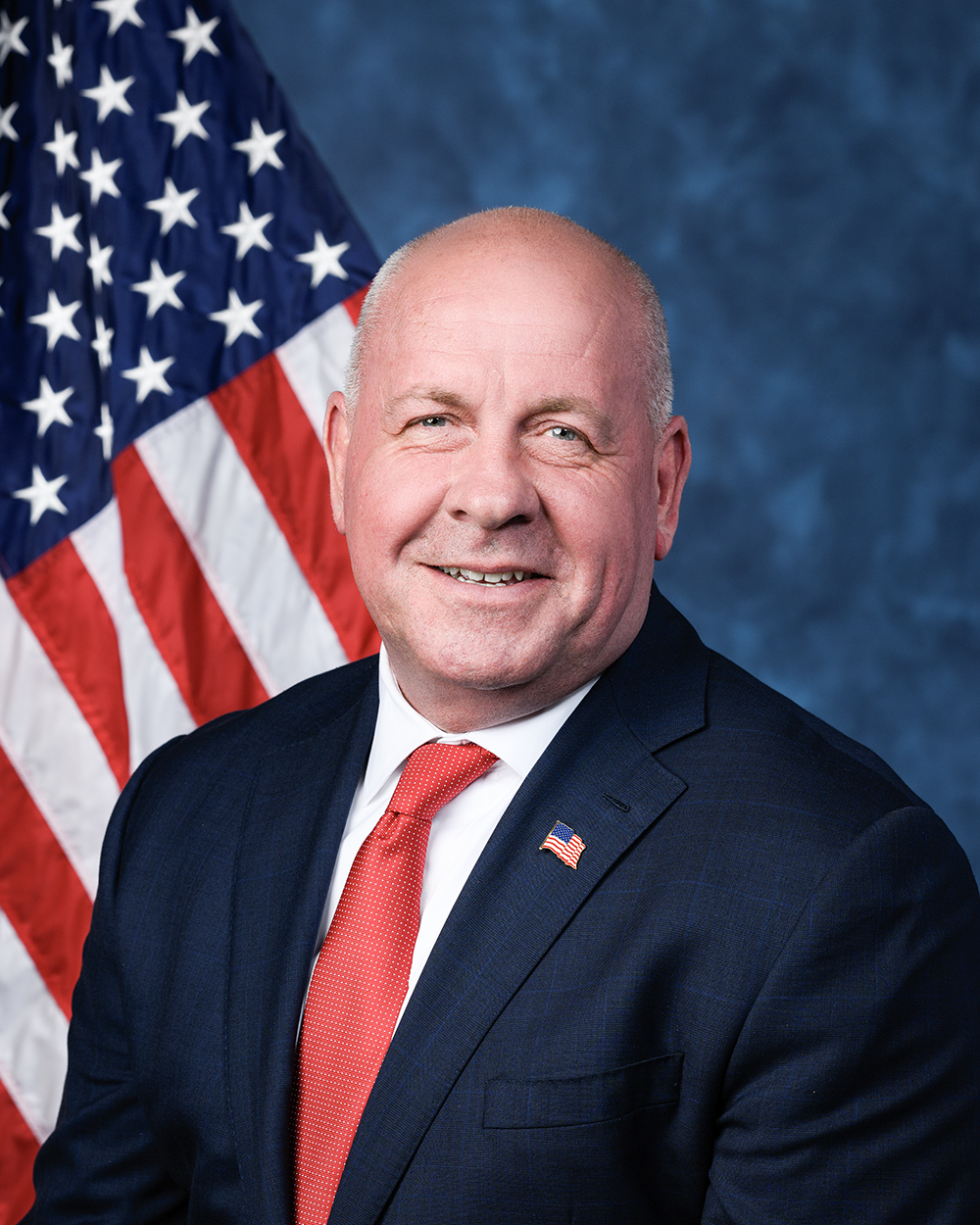
Rep. David J. Taylor
Sponsored bills
Maddy summaryHR 1548, the "Leveling the Playing Field 2.0 Act," amends U.S. trade laws to strengthen enforcement of antidumping and countervailing duty regulations. The bill creates new rules for handling multiple investigations on the same merchandise (successive investigations), addresses market distortions in foreign countries that affect production costs, and improves mechanisms to prevent companies from circumventing existing duties. It also establishes procedures for investigating currency undervaluation as a form of subsidy and strengthens requirements for importers to certify compliance with trade laws. These changes primarily affect U.S. importers of foreign goods, foreign exporters, and the Department of Commerce, which administers these trade enforcement mechanisms.
Maddy summaryHR 1502 authorizes the creation of a Congressional Gold Medal to honor the volunteers and communities (primarily from Nebraska, Colorado, and Kansas) who supported the North Platte Canteen during World War II. The bill directs the Treasury Secretary to design and strike the medal, which will be presented to the individuals who contributed to the canteen’s operations and then permanently displayed at the Lincoln County Historical Museum in North Platte, Nebraska. It also permits the sale of bronze duplicates to cover production costs, with proceeds going to the U.S. Mint. This is a commemorative measure recognizing historical service, not a policy change affecting current laws or programs.
Maddy summaryHR 1436, the ENABLE Act, makes permanent key tax provisions for ABLE accounts - tax-advantaged savings accounts for people with disabilities. It removes the 2026 expiration date for increased contribution limits to ABLE accounts and allows rollovers from 529 college savings plans into ABLE accounts without tax penalties. These changes directly affect individuals with disabilities who use ABLE accounts for qualified expenses like housing, education, and medical costs. The bill ensures these financial tools remain available long-term, streamlining access to savings without requiring new legislative action each year.
Maddy summaryHR 1381, the "COVID-19 Vaccination Non-Discrimination Act," blocks federal funding to healthcare facilities that refuse treatment based solely on a patient's COVID-19 vaccination status. It directly affects hospitals, clinics, and other providers receiving federal funds under Medicare (Title XVIII), Medicaid (Title XIX), or CHIP (Title XXI) programs. The key provision withholds all federal funds - such as those for hospital payments or Medicaid services - from any facility that denies care due to vaccination status. This policy change ensures that access to care cannot be restricted based on vaccination, applying specifically to federally funded healthcare settings. The bill does not alter vaccination requirements but prevents discrimination in treatment access for patients.
This concurrent resolution declares that Congress should not impose any new performance fee, tax, royalty, or other charge relating to the public performance of sound recordings on a local radio station for broadcasting sound recordings over the air, or on any business for such public performance of sound recordings.
Maddy summaryHRES 133 is a symbolic House resolution supporting the designation of February 15-22, 2025, as "National FFA Week." It recognizes the National FFA Organization’s role in developing student leadership through agricultural education and celebrates two milestones: the 90th anniversary of the New Farmers of America (which served Black students until merging with FFA in 1965) and the 75th anniversary of FFA’s federal charter (granted by Congress in 1950). The resolution has no policy impact or funding provisions - it simply expresses congressional support for these observances. It directly affects no individuals or entities, as it is a non-binding gesture honoring an educational organization.
Maddy summaryHR 1301, the Death Tax Repeal Act, would eliminate the federal estate tax and generation-skipping transfer tax for estates of individuals dying on or after its enactment date. It directly affects individuals inheriting significant assets, as it removes taxes on estates exceeding $10 million (adjusted for inflation) and repeals taxes on large transfers between generations. The bill modifies the gift tax by establishing a $10 million lifetime exemption with annual inflation adjustments, replacing previous tax brackets. It applies to estates, gifts, and transfers occurring on or after the bill's effective date.
Maddy summaryThis bill requires the Pension Benefit Guaranty Corporation (PBGC) to recalculate monthly pension benefits for retirees in six specific Delphi-related pension plans to reflect the full vested amount they would have received without prior benefit limits. It mandates lump-sum payments for past underpayments, including 6% annual interest, to eligible retirees and beneficiaries who received lower benefits than guaranteed under ERISA. The PBGC must fund these payments through a new Delphi Full Vested Plan Benefit Trust Fund established in the Treasury. This directly affects retirees in the Delphi Hourly-Rate, Delphi Retirement Program for Salaried Employees, PHI Non-Bargaining, ASEC Manufacturing, PHI Bargaining, and Delphi Mechatronic Systems pension plans. The law does not alter existing PBGC rules for other plans or change how the agency administers benefits generally.
Maddy summaryThe PANELS Act amends U.S. tax code provisions to exclude solar energy projects on prime or unique farmland from federal tax credits. Specifically, it revises Section 48 (energy property credits) and Section 45Y (clean electricity production credits) to require that solar facilities not be located on land designated as "prime farmland" or "unique farmland" under existing USDA definitions (7 CFR § 657). This directly affects solar developers seeking these tax benefits, as projects on such agricultural land will no longer qualify. The change applies to property placed in service after the bill’s enactment, aiming to protect high-quality farmland from being converted for solar development.