

Maddy summaryHR 7184, the PRESS Act, targets equipment used to manufacture illegal drugs by making it unlawful to sell specific items like tableting machines, gelatin capsules, or related chemicals when the seller knows the equipment will be used to produce controlled substances for unlawful U.S. importation. It directly affects manufacturers and distributors of these drug-making tools who have knowledge or reasonable cause to believe their products will facilitate illegal drug trafficking. The bill adds new prohibitions to the Controlled Substances Act and increases potential prison sentences for violations, with penalties reaching up to 20 years for major offenses involving large quantities of equipment or chemicals. These changes aim to disrupt the supply chain for illicit synthetic drugs by holding equipment sellers accountable for their intended use.
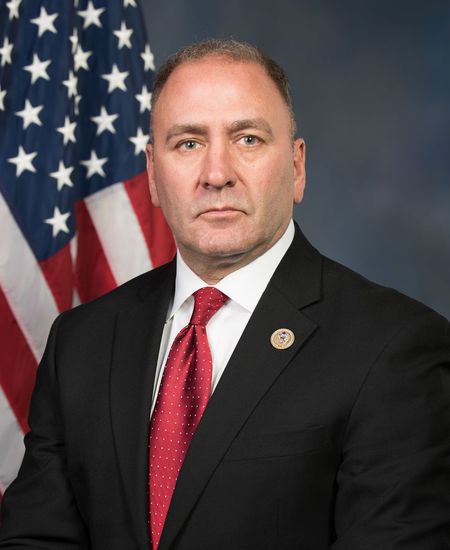
Rep. Clay Higgins
Sponsored bills
Protecting Privacy in Purchases Act This bill prohibits payment card networks from using merchant codes that distinguish firearms retailers from general-merchandise retailers or sporting-goods retailers. The Department of Justice must enforce this bill and report annually on the resulting investigations and cases.
Maddy summaryThis resolution honors the memory of Corey Comperatore, a veteran and volunteer firefighter from Sarver, Pennsylvania, who passed away on July 13, 2024. It formally acknowledges his service to his community and country while mourning his loss as a husband, father, and hero. The House of Representatives is asked to express its condolences and celebrate his life through this commemorative measure.
Maddy summaryThe Secure the Border Act of 2026 mandates the immediate resumption of border wall construction along the U.S.-Mexico border, requiring the Department of Homeland Security to build at least 900 miles of physical barriers and deploy advanced surveillance technology. The bill significantly restricts asylum eligibility by barring applicants who transit through third countries without seeking protection there, tightening definitions for "particular social group" claims, and imposing new fees on applications. It also directs federal agencies to reopen specific immigration detention facilities that were closed after January 2021 and requires the mandatory return of certain non-citizens to contiguous foreign territories if they cannot be detained or removed. Additionally, the legislation expands penalties for visa overstays, mandates monthly public reporting of border encounter statistics, and prohibits the use of federal funds for processing individuals entering between ports of entry.
Maddy summaryThis bill, titled the Permanent Trump Secure Border Act, aims to strengthen border security and reform immigration enforcement by directing the Department of Homeland Security to resume and complete the construction of a physical border wall, expand the use of surveillance technology, and increase staffing levels for Border Patrol agents. It also imposes stricter rules on asylum eligibility and employment authorization for applicants, mandates the reopening of specific immigration detention facilities, and requires the return of individuals arriving from contiguous foreign countries to those nations while their claims are processed. Additionally, the legislation expands penalties for visa overstays, limits the use of certain digital tools like the CBP One app, and includes provisions to reduce funding for organizations that facilitate illegal entry or provide services to inadmissible aliens.
Maddy summaryThe PROVIDE Act creates a new priority category for processing veterans' disability claims when a major disaster (like floods or fires) impacts their area. It directly affects veterans living in regions where the President has declared a major disaster under the Stafford Act. The bill requires the VA to establish flexible evidence rules and extended filing deadlines for these veterans, while also adding them to the existing list of priority claimants (e.g., those facing homelessness or terminal illness). The VA must post this new eligibility information on its website within 60 days of the bill becoming law. This change aims to help veterans affected by disasters access benefits faster to aid their recovery.
Maddy summaryThis bill proposes a constitutional amendment to repeal the Seventeenth Amendment, which currently mandates the direct election of U.S. Senators by the public. If ratified by conventions in three-fourths of the states, the change would restore the original system where state legislatures select Senators. The proposal includes a provision to protect the terms of any Senators currently serving, ensuring their positions remain unaffected by the transition. This measure directly impacts the method of choosing Senators and would alter the balance of power between the federal government and state legislatures.
Maddy summaryThe End EPA Abuse Act of 2026 amends the Clean Air Act to limit the Environmental Protection Agency's authority to create new regulations. Specifically, it prohibits the EPA Administrator from issuing rules that restrict the sale or use of internal combustion engine vehicles, force power plants to switch fuel sources, or reduce the reliability of the electric grid. The bill also bars the agency from mandating technologies that are commercially unavailable, too expensive without subsidies, or technically unfeasible due to geographic or infrastructure limitations. Additionally, the law prevents the EPA from expanding its regulatory power beyond what Congress originally intended. These changes directly affect the EPA's ability to enforce environmental standards and impact industries such as automotive manufacturing and energy production.
Maddy summaryThis resolution commemorates the fourth anniversary of the 2022 Supreme Court decision in Dobbs v. Jackson Women's Health Organization, which removed the federal constitutional right to abortion. The text expresses support for state authority to regulate abortion and acknowledges the work of pregnancy centers that provide care to women and families. It also recognizes the belief that unborn life possesses inherent rights and calls for the protection of that life. As a symbolic measure, the bill does not change any laws or policies but serves to formally celebrate the anniversary and state the House's position on the issue.
Repealing Big Brother Overreach Act This bill repeals the Corporate Transparency Act. The act requires existing companies and newly created companies to report beneficial ownership information to the Department of the Treasury’s Financial Crimes Enforcement Network for purposes of addressing the financing of terrorism and money laundering.