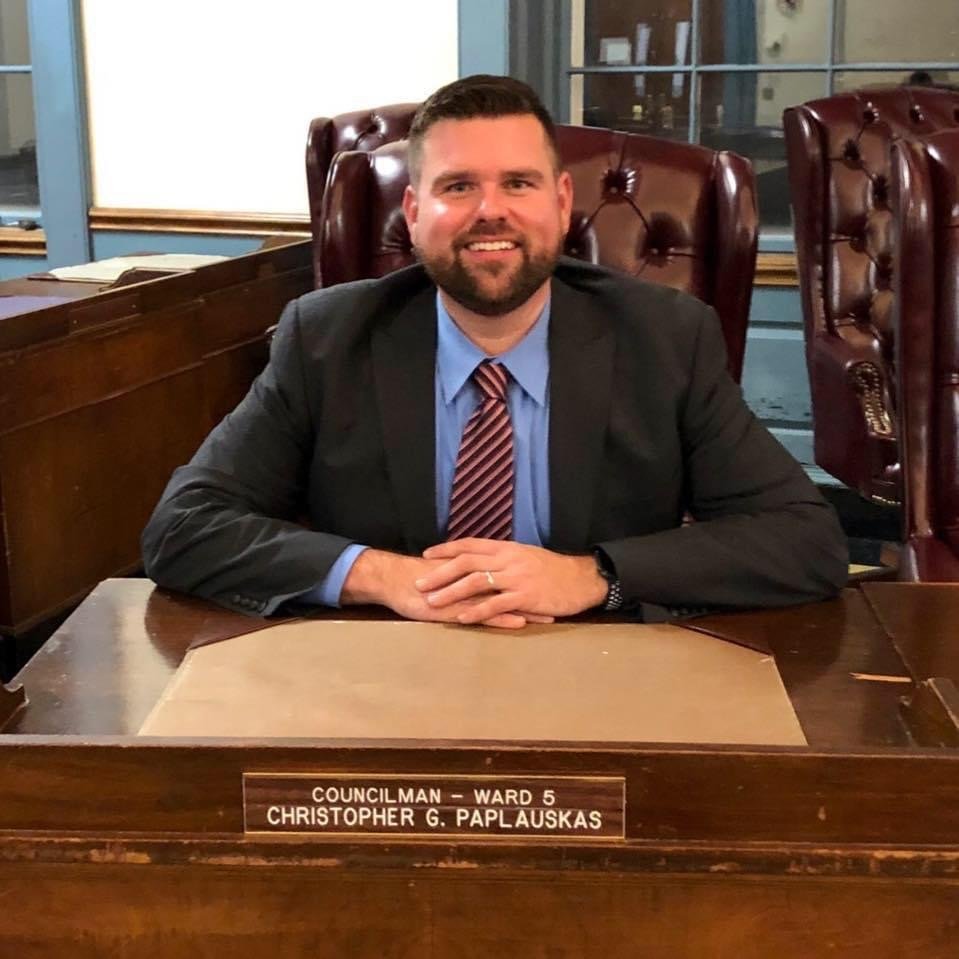
Authorizes the city of Pawtucket to issue not more than $2,000,000 general obligation bonds and notes to finance the design, construction, reconstruction, repair and equipping of streets and sidewalks.
Authorizes the city of Pawtucket to issue not more than $2,500,000 general obligation bonds and notes to finance the improvement and replacement of road safety infrastructure and traffic control devices.
SB 3326 authorizes the City of Pawtucket to issue up to $3,000,000 in bonds and notes to fund a street repaving project for fiscal years 2028 and 2029. The bill outlines how the city can sell these bonds, manage the resulting funds, and use the money specifically for repaving streets and covering related issuance costs. It also permits the city to issue temporary notes to cover expenses before the final bonds are sold and provides rules for investing any unspent funds. This legislation directly affects the city's financial operations and infrastructure maintenance plans without changing broader state laws.
This bill designates a specific bridge in Providence, Rhode Island, as the "George Nee Bridge." It directly affects the state's transportation infrastructure by officially naming the structure where U.S. Route 44 crosses over Interstate 95. The key provision requires that signs displaying the new name be installed using private funds, with their design and placement approved by the state Department of Transportation. Once passed, the act will take effect immediately to formalize this permanent name change.
Restores law enforcement discretion, allowing officers to issue a verbal warning when appropriate or pursue misdemeanor or felony charges in more egregious cases where a child is left unattended in a motor vehicle.
This bill updates size, weight, and load regulations for commercial and specialized vehicles in Rhode Island. It clarifies exemptions for specific vehicle types, including road machinery in work zones, farm vehicles, articulated public transit buses, and emergency vehicles, while maintaining safety restrictions on weight-restricted infrastructure. The legislation also adjusts maximum vehicle lengths and axle load limits, with corresponding fines for violations, and ensures that vehicles registered for specific weights cannot exceed those limits.
Restores law enforcement discretion, allowing officers to issue a verbal warning when appropriate or pursue misdemeanor or felony charges in more egregious cases where a child is left unattended in a motor vehicle.
HB 7869 amends vehicle size, weight, and load regulations in Rhode Island, primarily updating exemptions for specific vehicle types. It adds exemptions for Rhode Island public transit articulated buses (allowing greater length/weight on designated routes), clarifies natural gas vehicle weight allowances (accounting for fuel system differences), and refines exemptions for farm vehicles, emergency vehicles, and covered tow trucks. The bill directly affects commercial truck operators, transit authorities, farmers, and emergency services by modifying which vehicles are exempt from standard weight and size limits. These changes clarify existing rules without creating new restrictions, focusing on practical operational allowances for designated vehicle classes.
HB 8384 introduces "Casey's Law," which allows judges to impose stricter penalties on drivers convicted of misdemeanors or felonies if they are found to have acted out of "road rage." The bill defines road rage as intentionally aggressive, harassing, or dangerous behavior directed at other drivers or passengers on public roads. If a court determines beyond a reasonable doubt that a crime resulted from such behavior, the driver faces additional consequences, including mandatory fines, potential license suspension, and longer prison terms for felony offenses. All fines collected under this new provision must be placed into a dedicated fund to support public awareness campaigns about safe driving. This law does not create a new crime but rather adds enhanced sentencing options for existing offenses motivated by road rage.
This bill introduces enhanced penalties for drivers convicted of road rage, which is defined as intentionally aggressive, harassing, or dangerous behavior directed at other drivers or passengers on public roads. The law applies to existing misdemeanor and felony motor vehicle offenses, adding mandatory fines, license suspensions, and potential additional prison time when a conviction is linked to road rage. Prosecutors must formally allege road rage as a factor during the charging process, and courts must hold sentencing hearings where both sides can present evidence about the defendant's intent. All fines collected under this provision go into a dedicated fund used to promote public awareness about road rage and encourage safer driving practices.